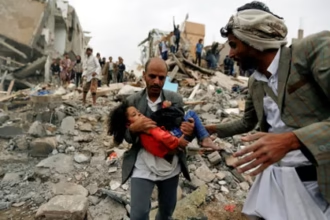
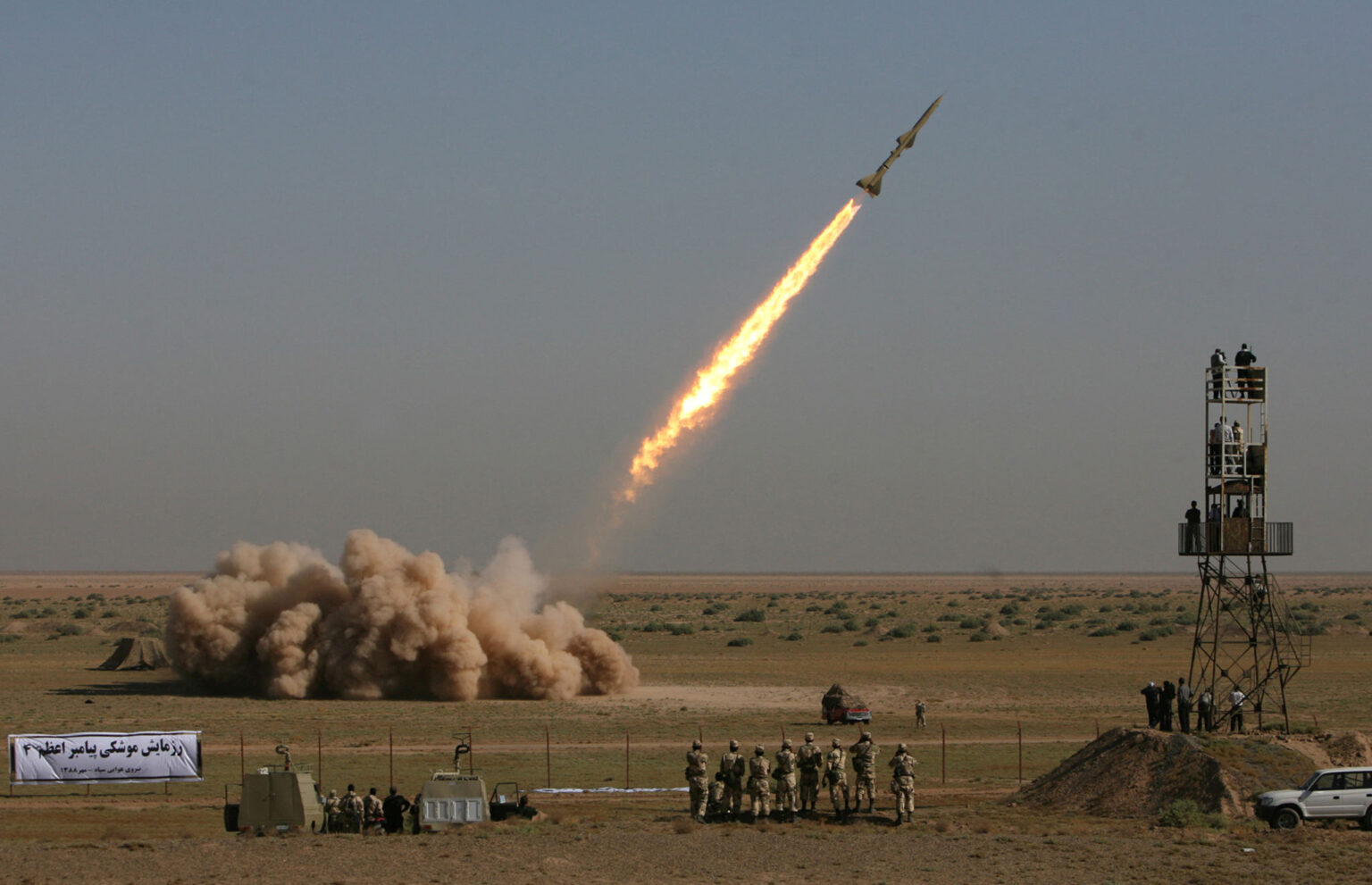
Tehran, Iran | January — Iran warns of quick retaliation following renewed political rhetoric and security signals from the United States, reviving long-standing tensions and placing the region once again under intense international scrutiny. Senior Iranian officials issued the warning during formal briefings in the capital, stating that any hostile move against the country would be met with an immediate and decisive response.
The announcement came as global attention remained focused on shifting political dynamics in Washington and their potential implications for Middle East stability. Iranian authorities framed the message as a deterrent, stressing that the country does not seek confrontation but will not hesitate to defend its sovereignty and national interests.
A Relationship Marked by Decades of Strain
Relations between Iran and the United States have been shaped by decades of mistrust, sanctions, and diplomatic breakdowns. Since the late twentieth century, interactions between the two nations have oscillated between cautious engagement and open hostility, often influenced by broader regional conflicts and shifts in global power.
Analysts note that the latest escalation fits into a familiar pattern. Periods of relative calm are frequently disrupted by political transitions, controversial statements, or policy changes that reignite old grievances. In this environment, Iran warns of quick retaliation as a way to reinforce boundaries and deter actions that could trigger a wider crisis.
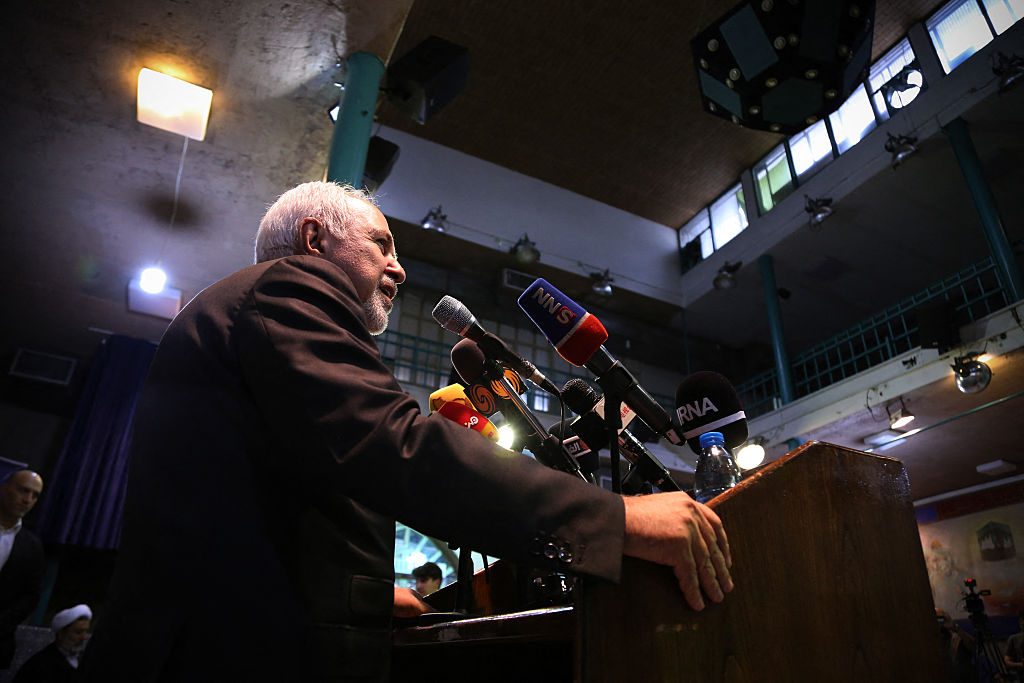
Political Rhetoric Returns to the Forefront
Recent public remarks by Donald Trump criticizing earlier US engagement with Tehran have drawn close attention from Iranian leadership. Although no immediate policy changes were announced, the language alone was enough to prompt concern in Tehran, where officials remain wary of abrupt shifts in Washington’s approach.
According to observers, Iran warns of quick retaliation in order to clarify its stance early, signaling resolve before rhetoric evolves into concrete measures. This preemptive approach reflects a belief that early signaling can reduce the risk of miscalculation by clearly outlining consequences.
Military Preparedness as a Deterrence Signal
Iranian officials emphasized military readiness as a central element of national defense. Recent exercises involving missile units, naval forces, and air defense systems were highlighted as evidence that the country maintains the capability to respond rapidly if threatened.
Defense analysts say Iran warns of quick retaliation not to suggest imminent conflict, but to strengthen deterrence by demonstrating preparedness. Clear signaling, they argue, is intended to discourage adversaries from testing Iran’s red lines while keeping escalation in check.
Strategic Messaging Beyond Washington
The warning was also aimed beyond the United States. Regional rivals and allies were closely watching Tehran’s response, aware that any escalation could have ripple effects across the Middle East.
By projecting readiness, Iran warns of quick retaliation as part of a broader strategy to shape perceptions throughout the region and discourage coordinated pressure from multiple fronts. Observers note that this approach reflects Iran’s view of itself as a central regional actor capable of influencing outcomes beyond its borders.
Expert View on Escalation Risks
One regional security analyst summarized the moment, saying,
“History shows that these situations are shaped as much by perception as by intent, and misreading signals can quickly narrow the space for diplomacy.”
The assessment underscores a wider concern among experts that when Iran warns of quick retaliation, sustained rhetoric, even if defensive, can harden positions if not balanced with communication and diplomacy.

Broader Geopolitical Context
The latest tensions unfold against a backdrop of shifting global alliances, economic uncertainty, and multiple regional flash-points. Conflicts elsewhere in the Middle East, combined with great-power competition, have created an environment where even limited incidents can escalate rapidly.
Analysts caution that Iran warns of quick retaliation at a time when the margin for error is especially narrow. For Tehran, maintaining deterrence while avoiding escalation remains a delicate balancing act. For Washington, managing rhetoric without triggering unintended consequences presents a parallel challenge.
Economic and Market Sensitivity
Global financial markets reacted cautiously to the developments. Energy prices showed modest volatility, reflecting investor awareness that tensions involving Iran can quickly affect oil supply expectations and shipping routes.
Historically, when Iran warns of quick retaliation, markets interpret the signal as an increase in geopolitical risk rather than an immediate precursor to conflict. As a result, reactions tend to be measured rather than dramatic, unless accompanied by concrete actions.
Domestic Political Messaging in Iran
Inside Iran, the warning also carries significant domestic implications. Economic pressures and public scrutiny place added responsibility on leaders to project strength and competence in the face of external threats.
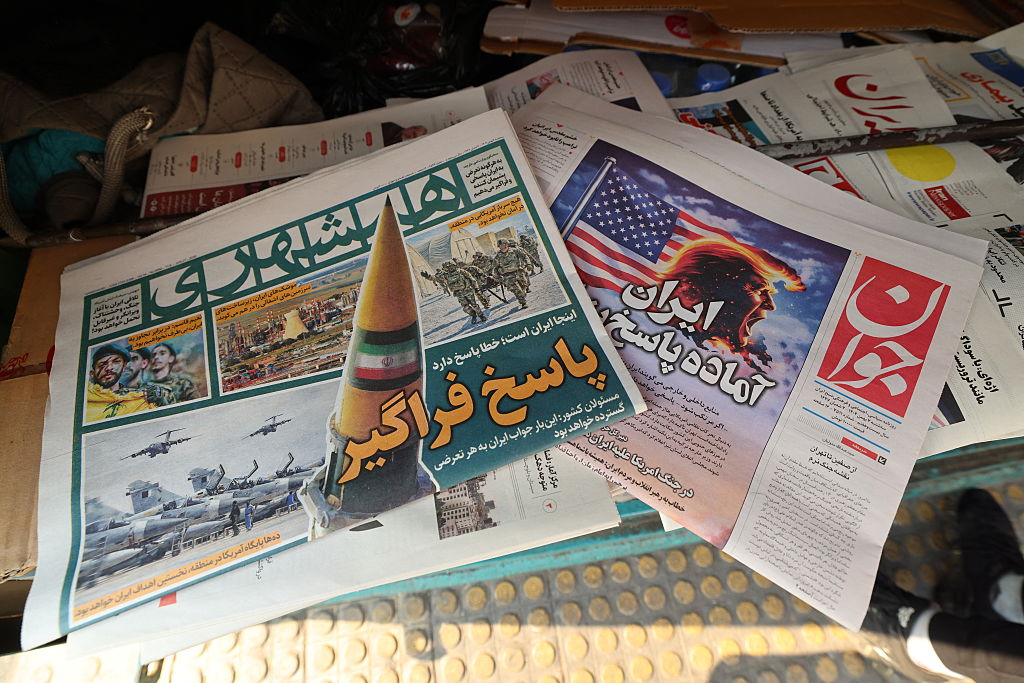
State media framed the announcement as a defense of national dignity and sovereignty. By emphasizing readiness and unity, officials sought to reassure the public that national security remains under firm control, even amid external uncertainty.
Diplomatic Channels and Indirect Communication
Direct diplomatic engagement between Tehran and Washington remains limited. Communication often occurs through intermediaries, including regional partners and international organizations, reducing the likelihood of sudden breakthroughs but helping to prevent total isolation.
Iranian officials stressed that deterrence does not preclude diplomacy. Even as Iran warns of quick retaliation, they reiterated openness to dialogue conducted on the basis of mutual respect and international law.
Regional Reactions and Security Calculations
Across the Middle East, governments are re-calibrating their security assessments. Countries in the Persian Gulf and beyond are watching closely, aware that escalation between Tehran and Washington could disrupt trade, energy exports, and regional security arrangements.
For many regional actors, Iran warns of quick retaliation serves as a reminder of the high stakes involved. Diplomatic efforts to de-escalate tensions often intensify during such moments, reflecting widespread concern over potential spillover effects.
Media and Information Warfare
Beyond military and diplomatic channels, information has become a key battleground. Statements, press briefings, and media coverage play a significant role in shaping public perception and international response.
Analysts note that Iran warns of quick retaliation in a carefully calibrated manner, using language that is firm yet measured. This approach aims to convey resolve without provoking unnecessary alarm, striking a balance between deterrence and restraint.
Historical Lessons From Past Crises
Past episodes of heightened tension between Iran and the United States offer important lessons. In several instances, strong rhetoric was followed by periods of de-escalation, often facilitated by back-channel diplomacy.
Experts argue that Iran warns of quick retaliation with these lessons in mind, seeking to deter aggression while leaving space for dialogue. History suggests that clear communication, even when firm, can help prevent unintended escalation.
The Role of International Actors
European governments and international organizations have responded with calls for restraint, urging both sides to avoid inflammatory language. These actors often play a mediating role, emphasizing the importance of maintaining communication channels.
In this context, Iran warns of quick retaliation while international partners work quietly behind the scenes to reduce tensions and encourage dialogue.
Outlook for the Months Ahead
As the situation evolves, observers expect continued statements and symbolic actions from both Tehran and Washington. Political developments in the United States and strategic calculations in Iran will shape the trajectory of relations in the coming months.
While direct confrontation appears unlikely in the near term, Iran warns of quick retaliation in a way that underscores the fragility of the current balance and the importance of careful diplomacy.
A Defining Test of Deterrence
This episode highlights the narrow margin separating restraint from escalation in regional geopolitics. Warnings are intended to prevent conflict, yet they also reveal how easily misinterpretation can occur.
Ultimately, Iran warns of quick retaliation as both sides navigate a critical moment that could influence not only bilateral relations but also broader Middle East stability for years to come.