Tehran, Iran | January 2026 — The Iran political unrest surged across Tehran at the start of the year as fresh demonstrations unfolded in multiple districts of the capital, reflecting mounting frustration over economic hardship, governance challenges, and social pressure. According to Brussels Morning Newspaper, the unfolding situation marks one of the most serious periods of internal strain Iran has faced in recent years, drawing sustained domestic and international attention.
Crowds gathered despite a heavy security presence, signaling that dissatisfaction has moved beyond isolated incidents into a broader and more persistent expression of public anger that is reshaping daily life in the capital.
Demonstrations Spread Through Urban Districts
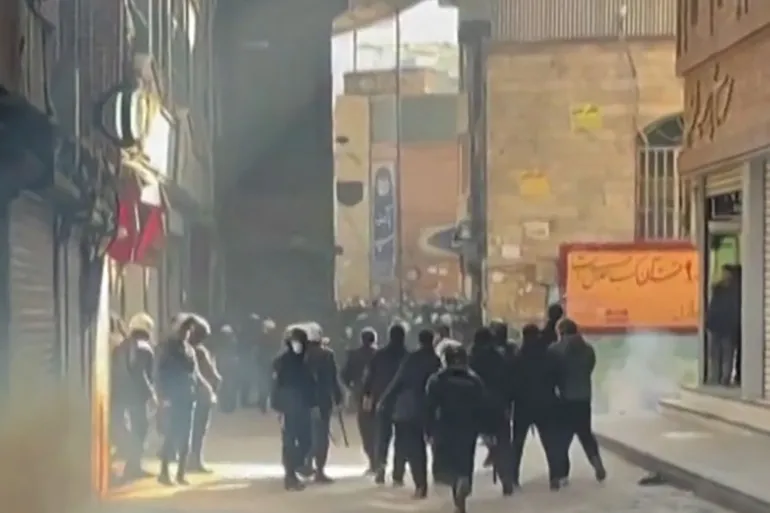
What began as scattered gatherings soon expanded into coordinated demonstrations across both central and residential areas of Tehran. Observers note that the Iran political unrest has grown in scale and visibility, with protests emerging in commercial zones, near universities, and along major transport routes.
Participants came from diverse backgrounds, including students, office workers, small business owners, and retirees. This wide participation highlights the depth of dissatisfaction and suggests that current tensions are not confined to a single social or economic group.
Economic Hardship Fuels Public Anger
Economic pressure remains a key driver of the demonstrations. Inflation, currency depreciation, and rising costs of basic necessities have steadily eroded household purchasing power. Analysts argue that the Iran political unrest cannot be understood without examining how prolonged financial stress has undermined confidence in economic stability.
Many residents report struggling to afford food, housing, and transportation. Young graduates face limited job opportunities, while small businesses grapple with declining consumer spending, reinforcing a sense of stagnation that has intensified frustration.
Government Narrative and Leadership Response
State authorities have emphasized stability and national unity in response to the demonstrations. In a nationally broadcast address, Supreme Leader Ali Khamenei accused foreign actors of exploiting domestic grievances to weaken the country.
He said,
“Those encouraging disorder are not seeking reform but attempting to undermine the independence of the nation.”
This remains the only official quote released during the current phase of the Iran political unrest, and it has been widely echoed by state media outlets.
Security Operations and Arrests
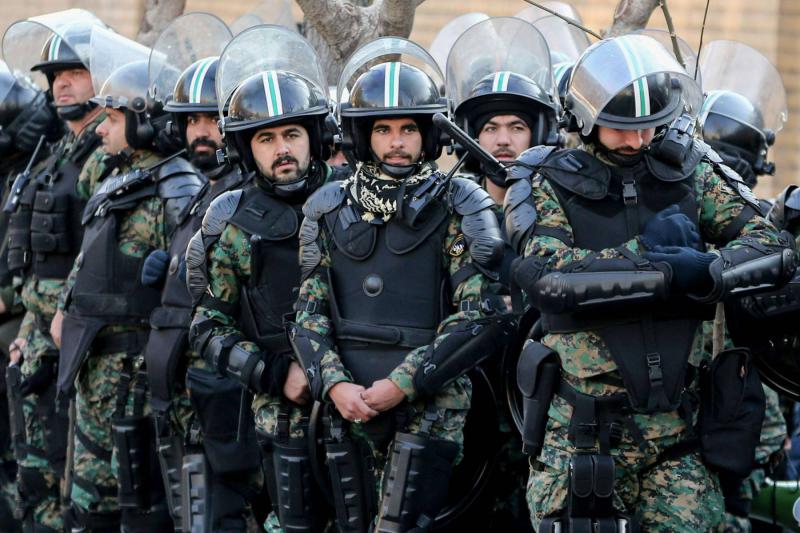
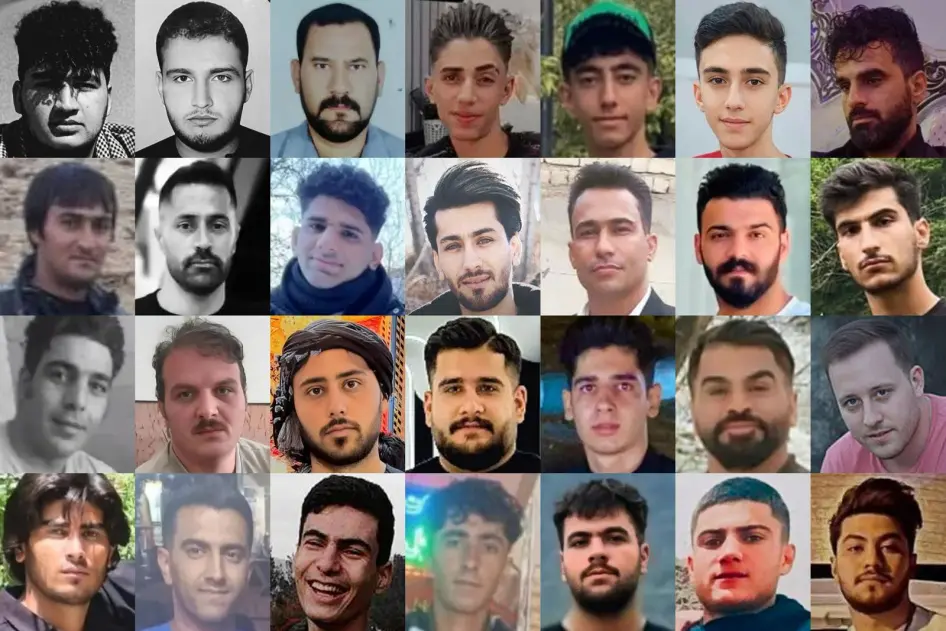
Security forces expanded their presence around government buildings, public squares, and transport hubs. Temporary checkpoints were established, and authorities confirmed multiple arrests, citing public safety concerns.
Rights observers monitoring the Iran political unrest expressed concern about transparency and due process, while officials denied allegations of excessive force. Despite heightened security, demonstrations continued intermittently, indicating that enforcement measures alone have not addressed underlying grievances.
Youth and Digital Mobilization
Young Iranians have played a central role in sustaining protest momentum. Digital platforms and encrypted messaging services have been used to organize gatherings and share real-time updates, allowing demonstrations to shift locations quickly.
The Iran political unrest has therefore unfolded both on the streets and online. Periodic internet disruptions were reported in some areas, yet information continued to circulate through alternative networks, limiting the effectiveness of digital restrictions.
Disruption to Daily Life in Tehran
Daily routines across the capital have been significantly disrupted. Schools and universities experienced temporary closures, while some businesses reduced operating hours due to uncertainty and security concerns.
For many residents, the Iran political unrest has translated into unpredictability affecting work schedules, education, and access to services. Traffic congestion increased as roads were blocked or diverted, adding to the sense of strain across the city.
Regional and International Attention
Foreign governments and international organizations have urged restraint and called for dialogue, expressing concern over the potential consequences of prolonged instability. Analysts warn that sustained tensions linked to the Iran political unrest could have wider implications for regional diplomacy and energy markets.
Iranian officials have rejected what they describe as external interference, reiterating the country’s commitment to sovereignty and independence in internal affairs.
Historical Background of Public Dissent
Iran has experienced several waves of protests over the past decade, often triggered by economic shocks or policy changes. The current Iran political unrest echoes earlier movements but stands out for its persistence and geographic spread, according to regional experts.
They argue that unresolved structural issues, including economic management and governance reforms, have allowed dissatisfaction to resurface repeatedly, each time with broader participation.
Public Mood and Social Divisions
Public opinion appears deeply divided. Some citizens emphasize the importance of stability and caution against prolonged unrest, while others argue that meaningful reform is necessary to address systemic challenges.
The Iran political unrest has become a defining subject in public discourse, shaping conversations in homes, workplaces, and online spaces, and reflecting a society grappling with uncertainty about the future.
Economic Outlook Under Continued Pressure
Economists warn that sustained unrest could deter investment and worsen inflationary trends. Currency volatility remains a concern, and consumer confidence has weakened as uncertainty persists.
The Iran political unrest has added another layer of unpredictability to an already fragile economic environment, raising fears of slower growth and rising unemployment if stability is not restored.
Media Coverage and Information Control
State media coverage has focused on official statements and calls for calm, while independent outlets face restrictions. Information management has tightened as the Iran political unrest continues, reflecting heightened sensitivity around public perception.
Despite these controls, citizen journalism and eyewitness accounts have played an increasing role in shaping how events are viewed internationally.
Government Strategy and Policy Signals
Officials have indicated a strategy combining security enforcement with limited economic relief measures. Discussions around subsidies and targeted assistance have emerged, though details remain limited.
Observers note that resolving the Iran political unrest may ultimately require broader engagement with public concerns and institutional reforms to rebuild trust and confidence.
Civil Society and Institutional Trust
The current situation has raised questions about civic participation and institutional credibility. Many citizens express skepticism about the effectiveness of existing channels for voicing grievances.
Within the Iran political unrest, this erosion of trust represents a significant challenge that could influence political dynamics long after the current demonstrations subside.
A Pivotal Year for the Nation
As 2026 progresses, Iran faces decisions that could shape governance, economic recovery, and social cohesion for years to come. The Iran political unrest has already reshaped public expectations and highlighted deep-rooted challenges that extend beyond immediate protests.
When the Streets Redefine National Direction
This moment reflects more than a series of demonstrations. It marks a society confronting sustained pressure and searching for stability amid change. How leaders and citizens navigate this period will determine whether the current strain leads to reform, prolonged stagnation, or renewed confrontation.