Tehran, Iran, January 2026 — Brussels Morning Newspaper Highlights that discussion surrounding Iran political transition has entered a more intense and analytical phase as the country confronts sustained public dissatisfaction, economic pressure, and renewed debate over governance. While protests and social movements continue to draw attention, experts emphasize that the structural conditions required for an immediate transfer of power remain largely absent, shaping expectations for gradual rather than sudden change.
Defining Political Transition in the Iranian Context
Political transition is often understood as a fundamental shift in leadership, institutional authority, or governing framework. In Iran, however, the concept carries a more complex meaning shaped by constitutional structures, revolutionary legacy, and layered centers of power. Analysts argue that Iran political transition cannot be assessed through the lens of rapid regime change alone, but must be understood as a long term process influenced by internal adaptation and societal evolution.
Sources of Public Dissatisfaction
Economic challenges remain a central driver of public frustration. Inflation, currency volatility, and rising living costs place pressure on households across income levels. Alongside economic strain, social restrictions and governance concerns contribute to a climate of dissatisfaction that fuels recurring protests. These pressures sustain public conversation about Iran political transition, even as daily survival concerns limit the scale and duration of mobilization.
Patterns of Protest and Their Limitations
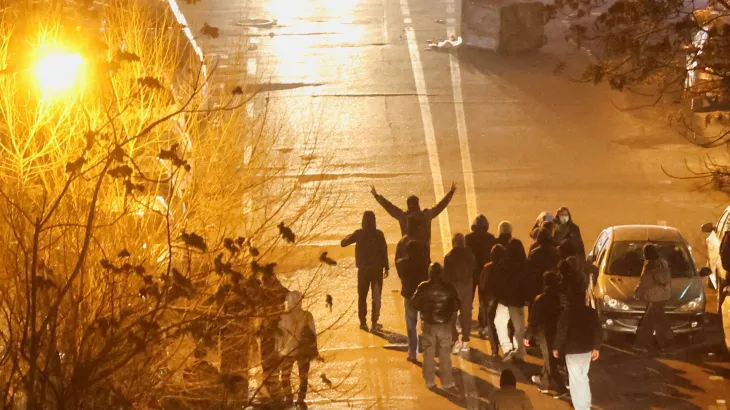
Iran has experienced multiple waves of protests in recent years, often triggered by economic shocks or social grievances. These demonstrations reflect widespread anger but have remained largely decentralized and leaderless. Political scientists note that while such movements demonstrate social energy, they have not produced the organizational cohesion necessary to translate dissent into Iran political transition.
State Institutions and Continuity
One of the most significant factors shaping political outcomes is the resilience of state institutions. Administrative bodies, security forces, and governance mechanisms continue to function despite unrest. This continuity reduces the likelihood of sudden power vacuums and constrains opportunities for Iran political transition driven by street pressure alone.
Fragmentation of Alternative Political Forces
Opposition forces inside and outside Iran remain divided across ideological, generational, and strategic lines. Reformists, activists, labor groups, and diaspora voices often agree on criticism of the status quo but diverge on solutions. This fragmentation undermines the emergence of a unified alternative capable of guiding Iran political transition.
Civil Society and Social Networks
Civil society plays a role in articulating grievances and organizing local initiatives. Student groups, professional associations, and informal networks contribute to public discourse, yet their reach remains limited. Without national coordination, civil society’s impact on Iran political transition remains indirect and incremental.
The Role of the Iranian Diaspora
Iranian communities abroad are vocal in advocacy and media engagement, shaping international narratives. However, analysts caution that external pressure alone rarely drives domestic transformation. The influence of diaspora activism on Iran political transition is constrained by limited organizational links to internal actors.

Historical Precedents and Lessons
Iran’s modern history includes episodes of reform, consolidation, and upheaval. Past experiences suggest that change often occurs through gradual institutional adaptation rather than abrupt collapse. This historical pattern informs current assessments of Iran political transition and tempers expectations of rapid transformation.
International Assessments and Policy Responses
Foreign governments and policy institutions increasingly adopt cautious assessments. While acknowledging public dissatisfaction, many conclude that immediate political transition is unlikely. Diplomatic strategies focus on engagement, risk management, and long term societal trends rather than assumptions of imminent Iran political transition.
Media Narratives and Public Perception
International media coverage sometimes frames unrest as a precursor to sudden change. Experts argue that such narratives can oversimplify complex realities and inflate expectations. Responsible analysis of Iran political transition requires attention to institutional strength, social fragmentation, and regional dynamics.
Economic Stress and Political Behavior
Economic hardship can mobilize protest but also discourage sustained action. Citizens balancing economic survival may lack capacity for prolonged mobilization. This dynamic complicates efforts to sustain momentum toward Iran political transition.
Technology, Surveillance, and Mobilization
Digital platforms enable rapid information sharing and coordination, yet surveillance and connectivity controls limit their effectiveness. While technology amplifies awareness, it has not yet produced the organizational depth required for Iran political transition.
Elite Dynamics and Internal Debate
Political change often involves shifts within ruling elites. Analysts observe ongoing debates over policy direction, economic management, and social regulation. Whether such internal dynamics could eventually contribute to Iran political transition remains uncertain.

Regional and Geopolitical Context
Regional instability and geopolitical competition influence Iran’s internal calculations. Security concerns reinforce caution toward major systemic change. This environment shapes the pace and scope of any potential Iran political transition.
Public Trust and Political Legitimacy
Trust in institutions and leaders remains a critical variable. While dissatisfaction is widespread, skepticism toward alternatives persists. Building legitimacy is essential for any credible Iran political transition, yet remains a significant challenge.
One Expert Perspective
One Middle East policy analyst observed,
“Transitions are built through organization and legitimacy, not anger alone.”
This view reflects a broad consensus among experts assessing the prospects for Iran political transition.
Short Term Outlook
In the near term, analysts anticipate continued tension rather than abrupt change. Incremental adjustments and containment strategies are viewed as more likely than sweeping Iran political transition.
Long Term Trajectories
Over time, demographic change, education, and economic evolution may reshape political expectations. Whether these forces converge into a viable Iran political transition will depend on their interaction with institutional structures.
Governance Adaptation and Reform
Iran’s leadership has historically responded to pressure through selective reforms and policy recalibration. Such adaptations can ease pressure while preserving core authority, complicating predictions of Iran political transition.
Comparative Perspectives
Comparisons with other countries highlight the importance of unified leadership and elite defection in successful transitions. The absence of these elements in Iran reinforces skepticism about near term Iran political transition.
Social Resilience and Everyday Life
Despite unrest, daily life continues for most citizens. This resilience reflects adaptation but also limits revolutionary momentum. The persistence of routine shapes the broader context in which Iran political transition is debated.
Youth and Generational Change
Young people remain central to social activism and cultural change. Their long term influence may prove decisive, yet translating generational energy into political organization remains a challenge for Iran political transition.
Economic Stability and Reform Capacity
Economic reform is closely tied to political outcomes. Sustainable growth could ease social pressure, while continued strain may intensify debate over Iran political transition.
Global Energy and Economic Factors
Iran’s role in global energy markets influences international engagement. External economic dynamics intersect with domestic politics, shaping the broader environment around Iran political transition.
Public Discourse and Intellectual Debate
Despite constraints, public debate continues in academic, cultural, and informal spaces. This discourse reflects a society negotiating its future, even if immediate outcomes remain uncertain for Iran political transition.
Policy Choices and Strategic Direction
Decisions taken in the coming years will shape Iran’s trajectory. Policy adjustments, economic management, and social regulation all influence the long term prospects for Iran political transition.
Conclusion A Gradual and Contested Process
As 2026 unfolds, Iran faces a complex political landscape defined by dissatisfaction, resilience, and uncertainty. While public pressure persists, structural and institutional factors limit the likelihood of immediate Iran political transition. Understanding these constraints is essential for realistic assessments of Iran’s future.
Beyond Immediate Change
Ultimately, political evolution in Iran is likely to be gradual rather than abrupt. The ongoing debate around Iran political transition matters not because change is imminent, but because it reflects deeper questions about governance, legitimacy, and national direction.