
Brussels Morning Newspaper opens its coverage as the Iran political crisis enters a more dangerous phase, with unrest spreading across multiple cities and authorities responding with heightened security measures. What began as localized demonstrations has evolved into a broader national challenge, drawing international attention and deepening concerns over stability inside the country.
As the Iran political crisis unfolds, clashes between demonstrators and security forces have become more frequent, transforming urban centers into flashpoints of confrontation. Observers warn that the scale and persistence of unrest now pose a serious test to governance, public trust, and regional security.
Roots of the Growing Crisis
The current turmoil did not emerge overnight. Years of economic pressure, rising inflation, and limited employment opportunities have strained daily life for millions. These hardships have fueled widespread frustration, particularly among younger generations facing uncertain futures.
Political grievances have compounded economic stress. Restrictions on expression and limited avenues for reform have left many citizens feeling unheard. Against this backdrop, the Iran political crisis has gained momentum, driven by a convergence of social, economic, and political pressures.
Protests Expand Across Major Cities
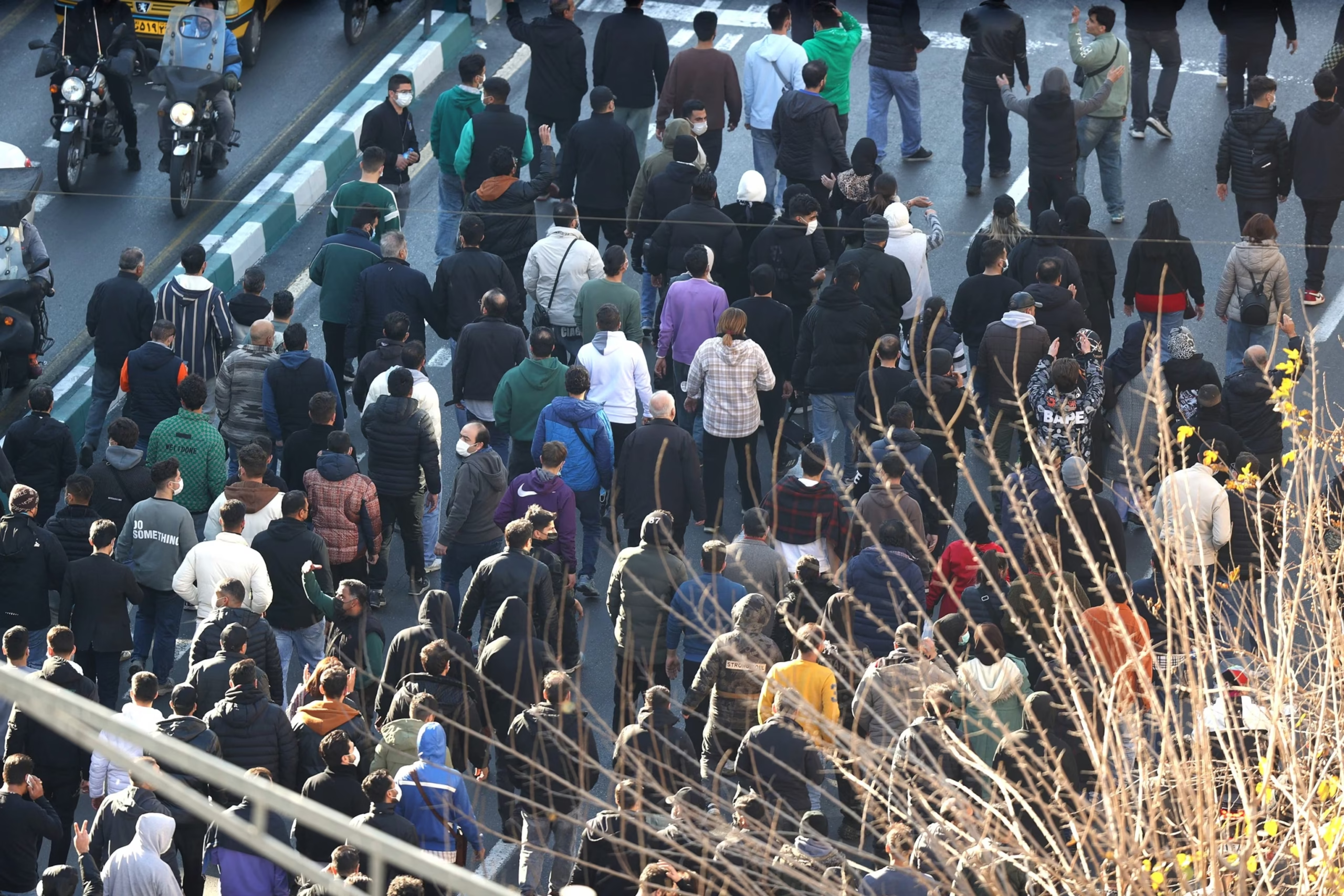
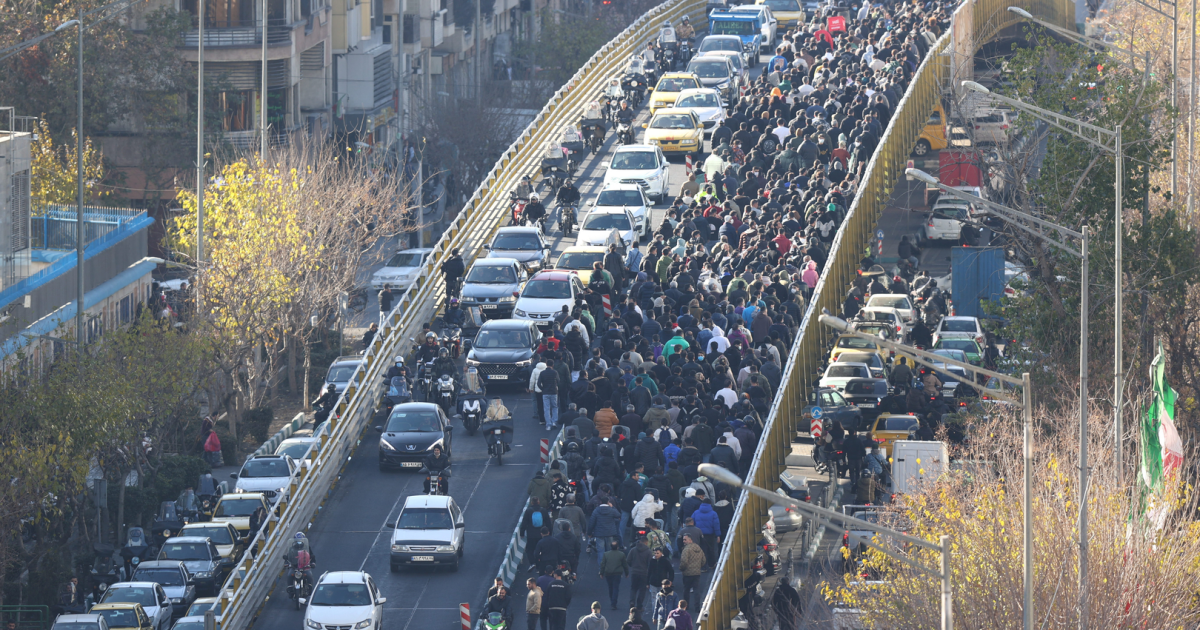
Demonstrations initially concentrated in specific neighborhoods quickly spread nationwide. Major cities, provincial capitals, and university districts became centers of mobilization. Public squares and main roads were occupied by protesters demanding change.
As participation grew, authorities struggled to contain crowds. Nighttime protests intensified tensions, with confrontations escalating rapidly. The Iran political crisis thus shifted from isolated incidents to a sustained national movement.
Security Forces and State Response
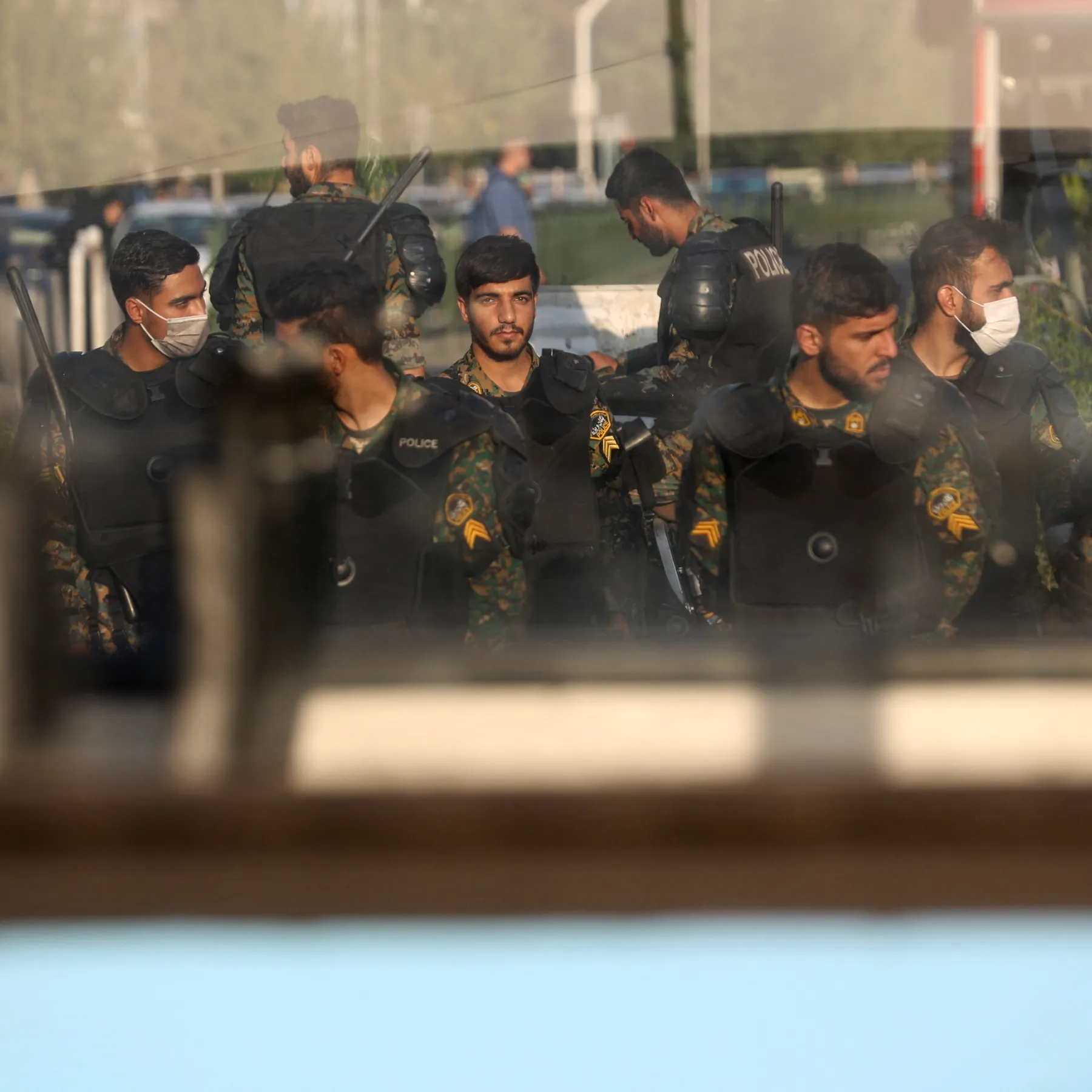
Iran deployed riot police and specialized security units to regain control. Checkpoints were established, curfews imposed in some areas, and key infrastructure secured.
Officials framed the response as necessary to restore order. However, human rights organizations raised concerns over the use of force, mass arrests, and restrictions on movement. These measures further fueled debate over the handling of the Iran political crisis.
Human Cost and Civilian Impact
Reports indicate injuries and fatalities among both protesters and security personnel. Hospitals in affected areas treated victims of tear gas exposure, baton charges, and crowd-control measures.
Families of detainees gathered outside detention facilities seeking information. As the Iran political crisis deepened, ordinary citizens faced disruptions to work, education, and access to essential services, highlighting the broader humanitarian impact.
Information Control and Media Restrictions
Authorities introduced temporary internet slowdowns and restrictions in certain regions. State media emphasized messages of stability and national unity while cautioning against unrest.
These controls complicated independent reporting. Nevertheless, citizen videos and eyewitness accounts circulated widely, ensuring the Iran political crisis remained visible to the global audience despite official limitations.
Economic Strain Intensifies Public Anger
Economic conditions remain a central driver of unrest. Currency volatility and rising prices have eroded purchasing power, leaving households struggling to afford basic goods.
Analysts note that without meaningful economic relief, the Iran political crisis is unlikely to subside. Economic reform, subsidy restructuring, and job creation are increasingly seen as critical to easing tensions.
Youth and Student-Led Mobilization
Young people have emerged as a prominent force within the protests. University campuses served as organizing hubs, reflecting generational dissatisfaction with limited opportunities and political constraints.
This demographic shift has added momentum to the Iran political crisis, signaling long-term challenges rather than short-lived unrest. Student participation underscores demands for systemic change.
Regional and Global Reactions
International governments and organizations expressed concern, urging restraint and dialogue. Diplomatic statements emphasized the importance of protecting civilians and addressing grievances peacefully.
As the Iran political crisis escalates, analysts warn of potential ripple effects across the region, including energy markets and geopolitical stability. The situation is being closely monitored by neighboring states.
Historical Context of Political Unrest
Iran’s history includes periodic waves of protest driven by economic and political dissatisfaction. Each episode reshaped public discourse and governance approaches.
In this context, the current Iran political crisis reflects both continuity and change. Modern communication tools and global connectivity have amplified voices and accelerated the spread of information.
Risks of Escalation and Prolonged Instability
Security experts caution that sustained confrontations raise the risk of miscalculation. Heavy enforcement may deter protests temporarily but can deepen resentment if underlying issues remain unresolved.
The Iran political crisis thus presents a delicate balance between enforcement and engagement. Long-term stability will depend on addressing root causes rather than solely relying on security measures.
Possible Paths Toward De-Escalation
Some observers suggest that dialogue initiatives, economic concessions, or policy adjustments could help ease tensions. Transparency and communication may rebuild trust if implemented credibly.
Without such steps, the Iran political crisis risks becoming entrenched, prolonging instability and increasing societal divisions.
Impact on Governance and Policy Direction
The unrest has prompted internal debate about governance effectiveness and policy priorities. Calls for reform have intensified, both domestically and abroad.
How leadership responds to the Iran political crisis may shape the country’s political trajectory for years to come, influencing institutional credibility and citizen engagement.
Outlook for the Coming Months
The immediate future remains uncertain. Authorities may tighten controls, while protesters show resilience despite risks. The pace and direction of events will depend on decisions made in the coming weeks.
As the Iran political crisis continues, its resolution will require addressing economic hardship, political representation, and social trust simultaneously.Escalating Pressure on Institutions and Governance
As the situation evolves, pressure on public institutions has intensified. Government offices, municipal authorities, and state-affiliated organizations face growing operational strain as demonstrations disrupt daily administration. In several regions, reduced staffing and intermittent closures have slowed public services, contributing to a sense of uncertainty among residents.
The Iran political crisis has increasingly exposed institutional vulnerabilities. Analysts note that prolonged unrest often reveals structural weaknesses that are less visible during periods of calm. These strains can linger long after protests subside, influencing governance capacity and public confidence.
Security Strategy Under Sustained Scrutiny
Security forces remain central to the state’s response, but their sustained deployment carries risks. Extended operations increase fatigue, logistical costs, and the likelihood of confrontation. Experts caution that prolonged street-level enforcement can escalate tensions rather than resolve them.
As the Iran political crisis continues, security doctrine itself has become part of the debate. Observers argue that tactical restraint and clear rules of engagement are essential to prevent further deterioration. Without careful calibration, enforcement actions may deepen divisions and entrench opposition.
Social Fabric and Community-Level Impact
Beyond politics, unrest has affected everyday social life. Families limit movement, businesses close early, and public gatherings decline. Community networks that once served as social anchors now operate under strain, adapting to uncertainty and fear.
In this environment, the Iran political crisis is not only a matter of governance but of social cohesion. Sociologists warn that prolonged instability can weaken trust between neighbors, institutions, and authorities, creating long-term consequences that persist even after order is restored.
Role of Labor Groups and Informal Workers
Labor organizations and informal workers have also felt the impact. Transportation disruptions, fuel shortages, and reduced commercial activity have affected incomes across sectors. Street vendors, service workers, and small business owners report declining earnings amid ongoing demonstrations.
Economic grievances have thus become inseparable from the Iran political crisis. Without economic stabilization, protests risk broadening beyond political demands to include widespread labor discontent, complicating any resolution efforts.
Women and Minority Voices in the Unrest
Women and minority communities have played visible roles in recent demonstrations. Their participation reflects deeper concerns about social rights, representation, and equality. Activists emphasize that these voices represent longstanding demands rather than temporary reactions.
The Iran political crisis has amplified these perspectives, bringing them into national and international focus. Analysts suggest that inclusive dialogue addressing these concerns could influence the trajectory of unrest more effectively than security measures alone.
Judicial System and Legal Implications
The judicial system now faces increased caseloads related to detentions and protest-related charges. Legal advocates have raised concerns about due process, access to counsel, and transparency in proceedings.
Legal handling of protest cases may significantly shape perceptions of fairness during the Iran political crisis. How the judiciary responds could either reinforce institutional legitimacy or intensify public skepticism.
Economic Markets and Currency Confidence
Financial markets have reacted cautiously. Currency fluctuations and investor uncertainty reflect concerns about prolonged instability. Importers and exporters report challenges in pricing and planning amid unpredictable conditions.
Economists note that restoring confidence will be critical once the Iran political crisis begins to ease. Stability in financial markets often lags political resolution, meaning economic recovery could take months or longer.
A Defining Moment for Iran Iran stands at a crossroads. The current unrest reflects deep-rooted challenges that cannot be resolved through force alone. Governance, economic reform, and civil liberties are now inseparable issues. As the Iran political crisis unfolds, its outcome will shape not only Iran’s domestic future but also regional stability and international relations.