Tehran, Iran, Janaury 2026 — Brussels Morning Newspaper Highlights that the Iran communications crisis has entered a prolonged and deeply disruptive phase, cutting across nearly every aspect of public and private life. What initially appeared as a temporary technical disruption has evolved into a sustained national breakdown in digital connectivity, affecting mobile networks, internet access, and essential communication services relied upon by millions of people.
As the crisis stretches further into 2026, its consequences are no longer confined to inconvenience or delay. Instead, the communications breakdown is reshaping economic activity, education systems, healthcare delivery, social interaction, and public trust, raising long-term questions about resilience in an increasingly digital world.
Across urban centers and rural provinces alike, citizens face daily uncertainty as access to information and communication remains inconsistent, restricted, or entirely unavailable.
A Nationwide Breakdown in Digital Connectivity
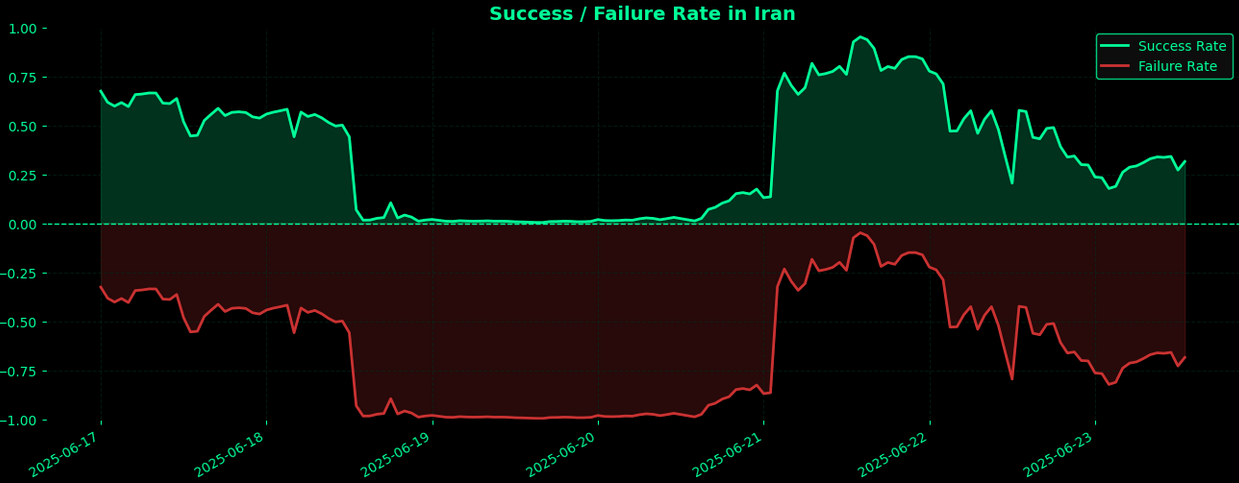
Data from international network monitoring organizations indicates that connectivity across Iran remains severely constrained. Traffic levels fluctuate unpredictably, with sharp drops observed during extended periods. The Iran communications crisis has affected both mobile data and fixed broadband infrastructure, creating an uneven and unreliable digital environment.
In many regions, internet access is limited to select institutions, while the broader population remains offline. Messaging applications, cloud services, and online platforms central to modern communication have become inaccessible for extended periods.
This nationwide scope suggests a coordinated disruption rather than isolated infrastructure failures.
Urban Centers Confront a New Offline Reality
Major cities, including the capital, have experienced sustained connectivity outages. For residents accustomed to navigating daily life through digital tools, the sudden shift has been disorienting.
Transportation services reliant on mobile applications have slowed or ceased operations. Navigation tools, digital maps, and real-time traffic updates are largely unavailable, forcing commuters to rely on memory and physical signage.
Businesses in urban districts report declining efficiency as communication with suppliers, customers, and partners becomes increasingly difficult.
Rural Regions Face Compounded Isolation
In rural areas, where connectivity was already limited, the communications breakdown has deepened isolation. Villages that depended on mobile networks for access to markets, weather data, and healthcare coordination now operate with minimal digital support.
Agricultural producers struggle to track prices or coordinate deliveries. Emergency services face delays due to limited communication channels, increasing vulnerability during critical incidents.
The Iran communications crisis has amplified existing disparities between urban and rural communities, widening the digital divide.
Economic Activity Slows Across Sectors
The economic consequences of prolonged digital disruption are significant. Small and medium-sized enterprises, particularly those operating online, report steep declines in revenue.
Freelancers and remote workers have lost access to international clients and payment systems. Online retailers face stalled orders and customer communication breakdowns. Logistics companies struggle to coordinate deliveries without real-time tracking systems.
Economists warn that prolonged disruption linked to the Iran communications crisis could erode confidence in the country’s digital economy, discouraging investment and innovation.
Financial Systems Operate Under Constraint
While core banking infrastructure continues to function, customer access to digital services remains inconsistent. Online banking platforms, mobile payment applications, and electronic transfers experience frequent interruptions.
As a result, many businesses and households have reverted to cash-based transactions. This shift increases inefficiency, raises security risks, and complicates financial planning.
Financial analysts note that prolonged disruption to digital payments undermines transparency and slows economic circulation.
Education Systems Struggle to Adapt
Schools and universities have faced major challenges as online learning platforms remain inaccessible. Educational institutions that had integrated digital tools into curricula now operate at reduced capacity.
Students preparing for examinations lack access to study materials, academic portals, and communication with instructors. Administrative processes such as enrollment, grading, and certification have also been disrupted.
Education experts warn that the Iran communications crisis risks long-term learning losses, particularly among students from lower-income households with limited offline resources.
Healthcare Services Under Operational Stress
Healthcare providers rely heavily on digital systems for patient records, diagnostics, and coordination. Prolonged connectivity disruption has slowed access to electronic medical records and telemedicine platforms.
While hospitals continue to provide care, inefficiencies have increased. Appointment scheduling, inter-facility referrals, and follow-up care are more difficult to manage without digital tools.
Medical professionals caution that extended disruption increases the risk of delayed diagnoses and fragmented care delivery.
Government Communication and Public Uncertainty
Official communication regarding the communications breakdown has been limited. Authorities have cited technical and security considerations but have provided few details or timelines for restoration.
The absence of clear information has fueled speculation and anxiety among the public. Businesses, educators, and healthcare providers struggle to plan without knowing how long restrictions will remain in place.
Analysts note that uncertainty is a defining feature of the Iran communications crisis, compounding its impact beyond technical failure.
International Monitoring Raises Sustained Alarm
Global digital rights organizations and connectivity monitors continue to track Iran’s network status. Their reports consistently show reduced traffic levels that rank among the most severe and prolonged disruptions recorded globally in 2026.
These organizations warn that extended communications shutdowns affect access to information, humanitarian coordination, and economic stability.
International observers emphasize that digital connectivity is now essential infrastructure rather than a discretionary service.
Humanitarian and Social Consequences Emerge
Aid organizations report difficulties coordinating assistance and assessing needs due to communication barriers. Families attempting to contact relatives inside or outside the country face prolonged silence.
Social workers and psychologists note rising stress levels, particularly among elderly populations and young people who rely heavily on digital communication for social connection.
The Iran communications crisis has transformed isolation from a temporary inconvenience into a sustained social condition.
Connectivity Is the Backbone of Modern Society
One regional technology expert stated,
“Connectivity is the backbone of modern society, and when it collapses for extended periods, the damage reaches far beyond technology into trust, stability, and mental well-being.”
The observation underscores a growing consensus that communications infrastructure is as vital as transportation, energy, or healthcare systems.
Media Operations Severely Constrained
Independent media outlets and journalists face significant obstacles operating under restricted connectivity. Publishing, fact-checking, and distribution processes are slowed or halted.
The reduced flow of information has narrowed the public discourse, leaving citizens with limited access to diverse perspectives.
Media analysts warn that prolonged disruption risks distorting the information environment during an already sensitive period.
Cybersecurity and Control Debates Intensify
Supporters of communication restrictions argue that reduced connectivity limits misinformation and external interference. Critics counter that information vacuums often amplify rumors and distrust.
The Iran communications crisis reflects a broader global debate over balancing security concerns with open access to information in the digital age.

Infrastructure Reliability Comes Under Scrutiny
Telecommunications engineers caution that repeated large-scale shutdowns can strain network infrastructure. Restarting systems after prolonged downtime increases the risk of service degradation and hardware stress.
Concerns are growing about long-term reliability and investor confidence in the telecommunications sector if disruptions continue.
Regional and Cross-Border Implications
Iran’s digital isolation has ripple effects beyond its borders. Trade coordination, logistics planning, and cross-border commerce rely on real-time communication that is now disrupted.
Regional partners monitor the situation closely, adjusting contingency plans for supply chains and coordination mechanisms.
Connectivity instability within one country increasingly affects neighboring economies in an interconnected region.
Technology Sector Faces Long-Term Setbacks
Startups, developers, and digital entrepreneurs face mounting challenges. Interrupted access to global platforms limits collaboration, innovation, and market reach.
Industry experts warn that prolonged instability could accelerate talent migration and reduce competitiveness in the technology sector.
Information Gaps and Social Anxiety
In the absence of reliable information, unverified claims have circulated through informal and offline networks.
Within the Iran Communications Crisis, sociologists observe that information gaps tend to intensify fear and uncertainty rather than stabilize public behavior. Experts emphasize that dependable communication remains one of the most powerful forces for social stability and trust.
Legal and Rights-Based Perspectives
Iran Communications Crisis is increasingly being viewed by international legal scholars as more than a technical failure, with access to communication framed as a foundational right tied to freedom of expression, education, and economic participation.
Prolonged disruptions raise ethical and legal concerns that extend beyond national borders, especially in an era where digital connectivity underpins civic life and democratic engagement.
Crisis Management Without Digital Tools
Emergency planners have underscored the growing difficulty of managing large-scale crises without reliable digital coordination.
During the Iran Communications Crisis, responses to natural disasters, public health emergencies, and infrastructure failures have been hindered by the lack of real-time data exchange. The situation has renewed calls for more resilient and decentralized communication systems capable of maintaining essential functions even during prolonged disruptions.
Long-Term Social Transformation Risks
Repeated and prolonged communication disruptions risk reshaping social behavior and public expectations in lasting ways.
Within the Iran Communications Crisis, many citizens have adapted to offline alternatives, but efficiency, transparency, and trust have steadily eroded. Analysts warn that younger generations in particular may disengage from civic and economic life if digital instability becomes an accepted norm.
Internal Digital Divides Deepen
Selective access granted to certain institutions has created internal digital divides, leaving large segments of the population disconnected.
Within the Iran Communications Crisis, unequal connectivity has reinforced existing social and economic inequalities, deepening disparities in access to education, employment, and essential services. Experts warn that such imbalances risk undermining social cohesion and slowing long-term national development.
Uncertain Timeline for Restoration
As 2026 progresses, no definitive timeline for full restoration has been announced, with monitoring data indicating brief periods of improvement followed by renewed declines.
For many citizens, the Iran Communications Crisis has moved beyond a temporary disruption and become an enduring reality shaping daily life and expectations.
Beyond Technology A National Stress Test
The prolonged breakdown represents more than a technical failure. The Iran Communications Crisis has become a national stress test of resilience, governance, and social cohesion in the digital era.
How the situation is ultimately resolved is expected to shape public trust, economic recovery, and institutional credibility long after full connectivity is restored.
A Defining Digital Emergency of 2026
The Iran Communications Crisis has emerged as one of the most consequential digital emergencies of 2026, affecting nearly every aspect of daily life, from the economy and education to healthcare, media freedom, and mental well-being. In an era where connectivity underpins modern society, prolonged isolation carries consequences that reach well beyond national borders.
The way this crisis is resolved will not only define Iran’s digital future but also stand as a critical case study in how societies respond to systemic communication breakdowns in an increasingly interconnected world.