
The Hague, Netherlands, 2026 — According to reporting by Brussels Morning Newspaper, international law 2026 has entered one of the most consequential periods in modern history, as courts, governments, and institutions confront legal questions that directly challenge sovereignty, accountability, and enforcement. What was once considered a slow and largely symbolic system has evolved into a central force shaping diplomacy, economics, and global power relations.
Across continents, legal proceedings now influence sanctions, trade agreements, military strategy, and political legitimacy. International law no longer operates quietly in the background. It has moved into the spotlight, driven by public demand for justice, technological change, and the growing interconnectedness of global crises.
From Symbolic Framework to Enforceable Power
For decades, international legal institutions were often dismissed as aspirational rather than authoritative. In international law 2026, that perception has changed dramatically. Courts and tribunals are now issuing rulings that carry tangible political and economic consequences.
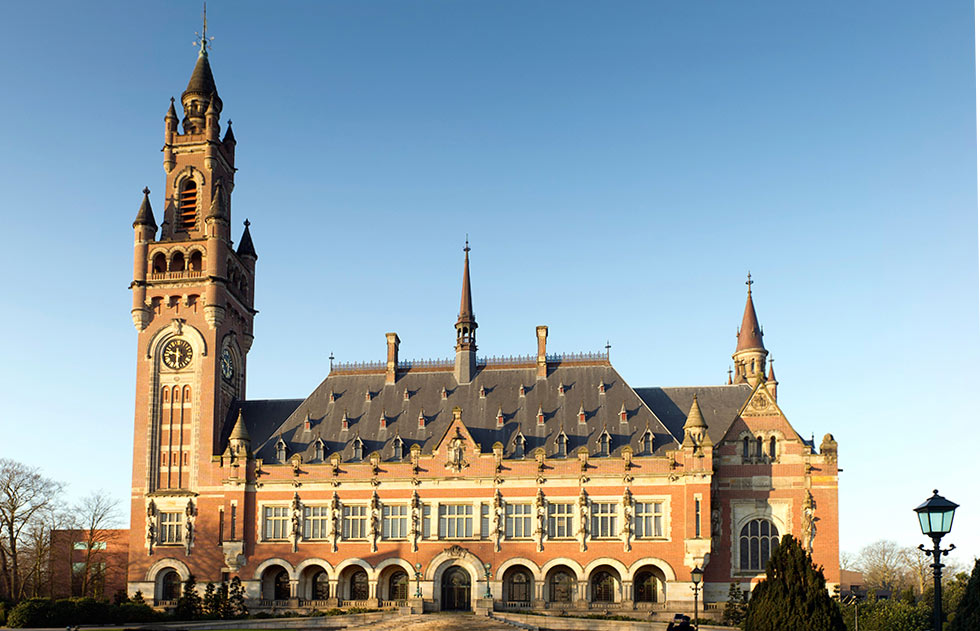
The International Court of Justice continues to rule on disputes involving borders, treaties, and state responsibility. Meanwhile, the International Criminal Court has pursued cases involving senior officials once thought to be beyond legal reach.
These developments reflect a broader shift toward rule-based resolution in a world increasingly defined by instability.
Sovereignty Versus Accountability
One of the defining debates shaping international law 2026 is the tension between national sovereignty and global accountability. Governments argue that external courts should not interfere in domestic affairs. Critics respond that sovereignty cannot shield actions that violate universally accepted norms.
This conflict is no longer theoretical. Courts are now examining cases involving political leaders, military commanders, and state-sponsored actions. Each ruling tests how far international law can extend without triggering political backlash.
The result is a legal system operating under constant pressure from competing principles.
Modern Warfare Forces Legal Adaptation
Contemporary conflict has accelerated the evolution of international law 2026. Cyber warfare, drone strikes, proxy conflicts, and hybrid military operations challenge traditional definitions of combatants, territory, and responsibility.
Courts increasingly rely on digital evidence, satellite imagery, intercepted communications, and forensic data. Establishing accountability requires navigating complex command structures and blurred lines between state and non-state actors.
One international law expert explained the dilemma:
“The law is being stretched not because it is weak, but because modern conflict refuses to follow old rules.”
Enforcement Remains the Weakest Link
Despite increased legal activity, enforcement continues to limit the effectiveness of international law 2026. Courts may issue judgments, but compliance often depends on political cooperation rather than legal obligation alone.
Sanctions, asset freezes, and travel restrictions remain the primary enforcement tools. Their effectiveness varies widely. Some states comply to preserve legitimacy. Others reject rulings outright, citing sovereignty or political bias.
This uneven enforcement undermines confidence even as demand for accountability grows.

The United Nations and Structural Constraints
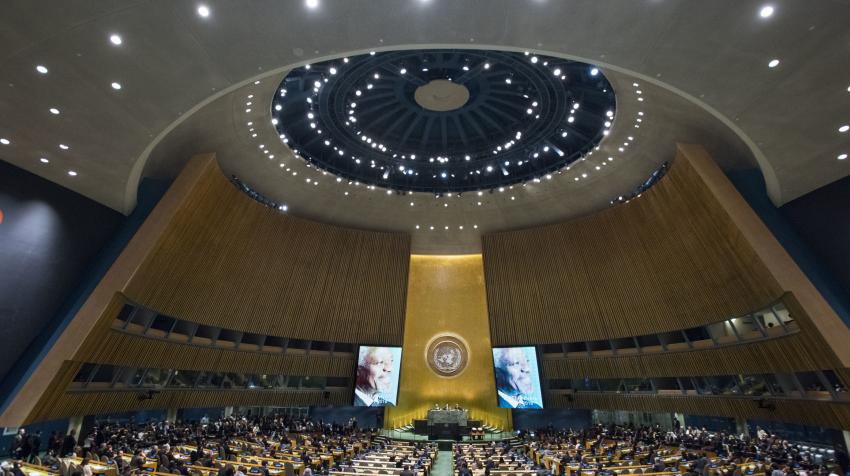
The United Nations remains central to the international legal system, yet its structure presents limitations. Veto power, geopolitical rivalry, and competing alliances often stall decisive action.
As a result, regional courts and specialized tribunals have gained influence. This layered system increases access to justice but also introduces fragmentation and inconsistency across jurisdictions.
Institutional cooperation has become essential for preserving credibility.
Public Opinion Reshapes Legal Authority
Public engagement now plays a significant role in international law 2026. Media coverage, investigative journalism, and digital platforms have brought legal proceedings into the public eye, transforming once-obscure rulings into global conversations.
Citizens increasingly expect transparency, moral clarity, and accountability. Courts respond by explaining decisions more clearly, aware that legitimacy depends not only on legal reasoning but on public trust.
This shift has made international law more visible and more contested.
Economic Consequences of Legal Decisions
Legal rulings increasingly shape global markets. In international law 2026, sanctions enforcement, arbitration outcomes, and compliance decisions influence investment flows, trade routes, and supply chains.
Corporations now evaluate legal exposure alongside political risk. Uncertainty surrounding enforcement can delay projects, raise costs, and reshape long-term strategy. Legal predictability has become a core economic factor.
Economists note that legal instability can ripple across industries and borders.
Technology Challenges Legal Frameworks
Rapid technological advancement continues to reshape international law 2026. Artificial intelligence, mass surveillance, cyber operations, and digital evidence raise new questions about attribution, intent, and responsibility.
Traditional legal frameworks struggle to keep pace. Courts are adapting incrementally, but gaps remain between law and technology. Failure to modernize risks weakening enforcement and public confidence.
Legal scholars increasingly call for updated treaties and standards.
Regional Courts Step Into the Gap
Regional legal bodies have expanded their role, reinforcing international law 2026 through localized enforcement. Courts in Europe, Africa, and the Americas now address cases that stall at the global level.
This regionalization improves access to justice and speeds resolution but introduces variation across legal systems. Coordination between courts remains challenging yet essential.
Many experts view regional courts as stabilizers rather than competitors.
Political Resistance and Legal Persistence
Political resistance remains a defining feature of international law 2026. Some governments frame legal action as political interference, rejecting court authority outright.
Yet legal processes persist. Courts continue issuing rulings, building precedent, and expanding jurisprudence even when compliance is incomplete. This persistence reflects gradual evolution rather than collapse.
History suggests that precedent often outlasts resistance.
Human Rights and Moral Authority
Human rights cases remain central to international law 2026, shaping public perception and institutional legitimacy. Courts addressing crimes against civilians, political repression, and systemic abuse reinforce the moral foundation of global law.
While enforcement remains uneven, documentation and legal recognition establish historical records that influence future accountability.
For many victims, recognition itself carries profound significance.
The Global South and Legal Equity
Debates over fairness increasingly shape international law 2026, particularly regarding representation of developing nations. Critics argue that enforcement disproportionately targets weaker states while powerful actors evade accountability.
Institutions face growing pressure to demonstrate neutrality and consistency. Addressing these concerns is essential for maintaining legitimacy across regions.
Equitable enforcement remains one of the system’s greatest challenges.
A System Tested by Crisis After Crisis
Climate change, migration, pandemics, and economic shocks have placed unprecedented strain on international law 2026. Legal systems must now address cross-border crises that defy traditional jurisdictional boundaries.
Courts increasingly interpret existing treaties to cover emerging threats. This flexibility preserves relevance but risks overextension.
Balancing adaptability with legitimacy remains a delicate task.
The Path Forward for Global Law
As international law 2026 continues to evolve, the future of the global legal order depends on adaptation rather than reinvention. Incremental reform, institutional cooperation, and technological modernization offer the most realistic path forward.
While enforcement gaps persist, demand for accountability has never been stronger. Courts remain imperfect but indispensable.
Why International Law Still Matters
Despite criticism, international law 2026 remains the only shared framework capable of addressing global disputes without resorting to force. Its authority may be contested, but its absence would leave a dangerous vacuum.
Legal norms provide continuity, restraint, and a language for accountability even when politics fail.
A Global System Under Strain Yet Unbroken
International law has survived world wars, ideological conflict, and geopolitical realignment. In international law 2026, it faces new tests but also new opportunities.
The system endures not because it is flawless, but because no viable alternative exists.