Jakarta, Indonesia — January, 2026. According to Brussels Morning Newspaper, Indonesian authorities on Friday escalated a nationwide search after a military surveillance aircraft carrying 11 people lost contact during a routine operation. The disappearance has prompted one of the most extensive coordinated rescue efforts in recent years, drawing together air force units, naval patrols, civilian emergency agencies, and aviation specialists. The Indonesia missing plane has become a focal point of national concern as the country confronts the challenges of locating an aircraft across vast maritime and jungle terrain.
Officials confirmed that communication with the aircraft ceased shortly after takeoff from a base near Jakarta, triggering immediate emergency protocols. As hours turned into days, the Indonesia missing plane dominated public discussion, with authorities pledging transparency and sustained effort until the aircraft and its crew are accounted for.
Moment Contact Was Lost Over Strategic Airspace
According to defense officials, the aircraft departed under standard operational conditions, following a flight path regularly used for surveillance missions. Initial data showed no irregularities before radar contact disappeared.
The sudden silence raised alarms within command centers, leading to the activation of national aviation emergency procedures. The Indonesia missing plane was formally classified as an emergency situation within minutes, allowing rapid deployment of search assets.
Aviation analysts noted that loss of contact without a distress signal significantly complicates early assessments, often widening the initial search area.
Air and Sea Operations Expand Rapidly
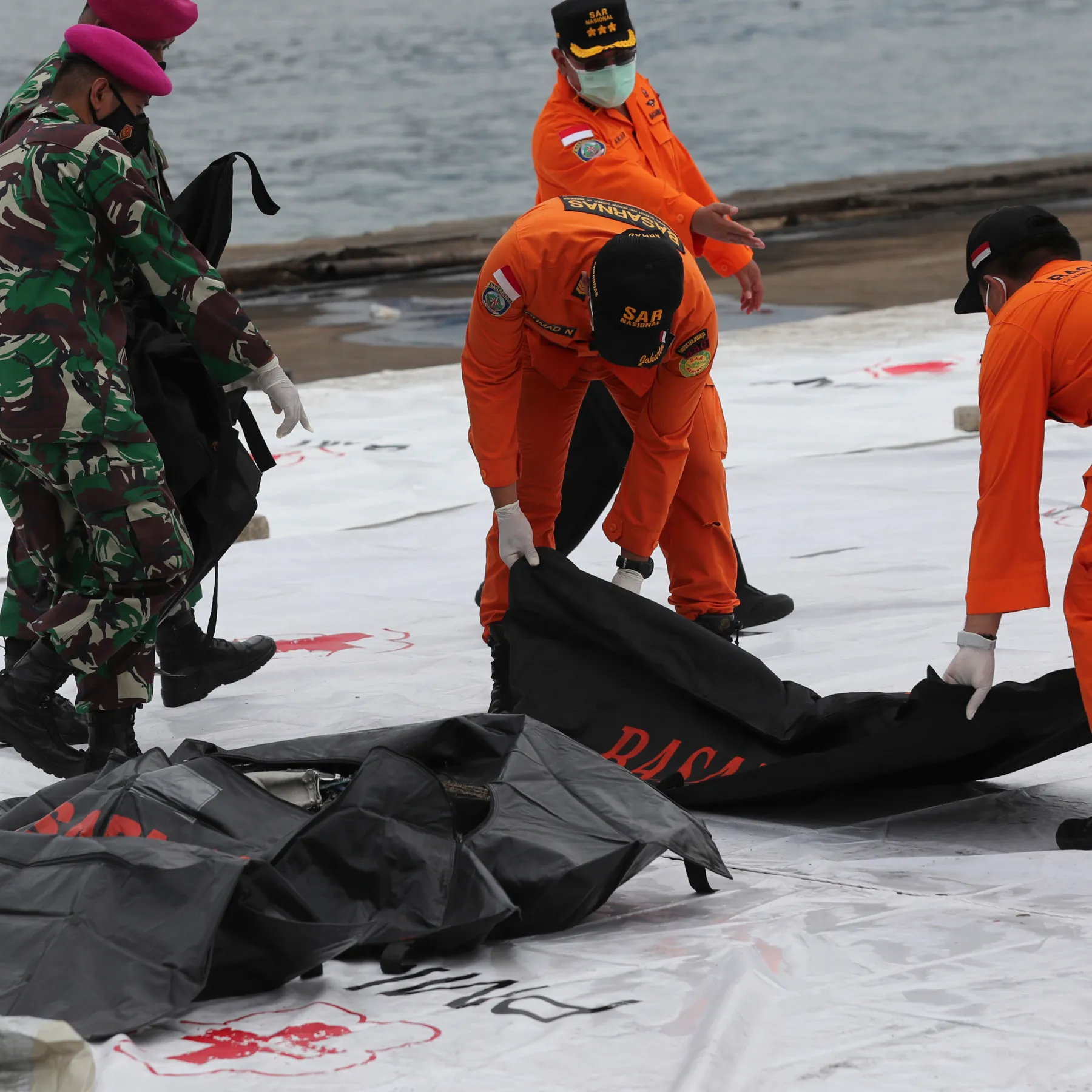
Search and rescue operations intensified within hours, involving fixed-wing aircraft, helicopters, naval vessels, and coastal monitoring units. The National Search and Rescue Agency coordinated efforts with the air force and navy to maximize coverage.
The Indonesia missing plane search zone spans coastal waters, remote islands, and inland regions, requiring flexible tactics. Aircraft conducted aerial sweeps while ships scanned shipping lanes and potential impact zones.
Authorities stressed that operations would continue day and night, with crews rotating to maintain constant coverage.
Geography Shapes the Scale of the Challenge
Indonesia’s geography poses unique obstacles to aviation searches. As the world’s largest archipelagic nation, it comprises thousands of islands separated by vast stretches of water, dense forests, and mountainous terrain.
In the case of the Indonesia missing plane, officials acknowledged that these factors increase complexity and demand extensive resources. Weather patterns, sea currents, and limited visibility further complicate the mission.
Experts noted that Indonesia’s experience with past aviation emergencies has strengthened coordination, now being tested under intense public scrutiny.
Surveillance Missions and National Security
The missing aircraft was assigned to a surveillance role, supporting Indonesia’s maritime monitoring and national security objectives. Such missions are essential for tracking shipping activity, safeguarding borders, and supporting disaster response planning.
The Indonesia missing plane has drawn attention to the risks faced by crews performing these duties. While surveillance aircraft are designed with advanced systems and redundancy, unforeseen events remain possible.
Investigators cautioned that conclusions about the cause will depend on evidence recovered during the search.
Families Wait as Hope and Uncertainty Intertwine
Relatives of those onboard gathered at military facilities near Jakarta, awaiting updates from officials. Support teams were assigned to families, providing verified information and counseling services.
For families, the Indonesia missing plane represents a period of painful uncertainty. Scenes of quiet vigils and shared prayers underscored the human dimension of the search.
Authorities urged patience and sensitivity, emphasizing that speculation could deepen distress.
Government Mobilizes at the Highest Level
Senior government leaders convened emergency meetings to review progress and allocate additional assets. Defense, transportation, and emergency management agencies established a unified command structure.
The Indonesia missing plane prompted assurances that all available national resources would be committed. Officials stated that international assistance could be considered if necessary, though domestic capabilities remain substantial.
Regular briefings were scheduled to keep the public informed without compromising operational integrity.
Aviation Safety and Oversight in Focus
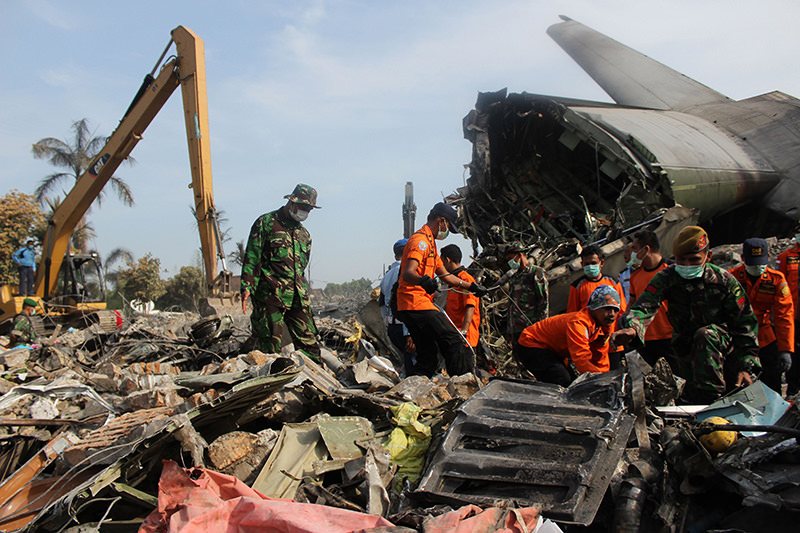
The incident has reignited debate about aviation safety, particularly for military and surveillance operations. Experts stress that while such flights adhere to strict standards, risk can never be eliminated entirely.
In response to the Indonesia missing plane, authorities indicated that flight protocols, maintenance records, and communication systems would undergo thorough review once the aircraft is located.
Aviation professionals emphasized that lessons from incidents often lead to improved safety frameworks.
Weather Analysis Guides Daily Decisions
Meteorological agencies are reconstructing weather conditions from the time of the flight. Indonesia’s tropical climate can shift rapidly, producing storms, turbulence, and reduced visibility.
Search planners said accurate weather analysis is critical in narrowing possibilities related to the Indonesia missing plane. Forecasts influence flight paths, ship deployment, and safety decisions for crews.
Environmental data continues to be updated as operations progress.
Technology at the Center of the Search
Advanced technology plays a crucial role in modern search efforts. Satellite imagery, radar analysis, and signal detection systems are being used to scan potential locations.
The Indonesia missing plane operation also involves coordination with telecommunications providers to identify any emergency transmissions. Drones and specialized reconnaissance aircraft have been placed on standby for hard-to-reach areas.
Experts say integrated technology significantly improves efficiency in large-scale searches.
Regional Attention and Cooperation
The disappearance has drawn attention from neighboring countries and regional aviation authorities. Southeast Asian partners are monitoring developments closely.
The Indonesia missing plane has been discussed in regional safety forums, highlighting shared challenges in aviation operations over water and remote landscapes.
Some countries have offered technical assistance should Indonesia request it.
Official Message to the Nation
During a nationally televised briefing, one senior defense official addressed the public, saying:
“Our mission is clear, and every available resource is focused on locating the aircraft and the people onboard.”
The single statement captured the determination of authorities and reassured families that the search remains the top priority.
Historical Lessons From Past Searches
Indonesia’s aviation history includes several high-profile search operations that have reshaped rescue capabilities. Each incident led to improved coordination, training, and technology investment.
In the context of the Indonesia missing plane, analysts note that past lessons are guiding current strategies, from unified command structures to data-sharing protocols.
These improvements are now being tested under demanding conditions.
Media Coverage and Public Responsibility
National and international media continue to follow developments closely. Authorities urged responsible reporting and cautioned against misinformation.
The Indonesia missing plane has dominated headlines, underscoring the public’s reliance on accurate, timely updates during emergencies.
Officials encouraged citizens to rely on verified sources rather than speculation.
Implications for Future Operations
Defense analysts suggest that findings from the search could influence future mission planning, aircraft maintenance, and crew training.
The Indonesia missing plane may lead to policy adjustments designed to strengthen resilience and communication reliability.
Authorities emphasized that any reforms would be evidence-based and transparent.
A Nation United in Vigil
As days pass, uncertainty remains, but search teams continue adapting strategies as new information emerges. The Indonesia missing plane has mobilized national attention and resources on an extraordinary scale.
Public displays of solidarity, from prayer gatherings to messages of support, reflect a collective hope for answers.
When the Skies Fall Silent
The disappearance has become more than an operational challenge; it is a test of national resolve and coordination. The Indonesia missing plane underscores the realities of aviation over complex terrain and the human stakes involved.
As Indonesia waits, the determination of search crews stands as a testament to commitment and duty. The nation remains focused on one goal: clarity, accountability, and respect for every life onboard.