
New Delhi, India, February 11, 2026 — Brussels Morning Newspaper — The India vaping law remains firmly in force as the central government reiterated its commitment to maintaining the nationwide prohibition on electronic cigarettes. Officials confirmed that there will be no immediate reconsideration of the regulatory framework, despite renewed lobbying from multinational tobacco corporations and segments of the vaping industry.
The reaffirmation of the India vaping law comes amid ongoing global debate about harm reduction, youth nicotine exposure, and evolving tobacco alternatives. Authorities in the capital emphasized that public health considerations continue to outweigh commercial interests.
Government Clarifies Its Regulatory Position
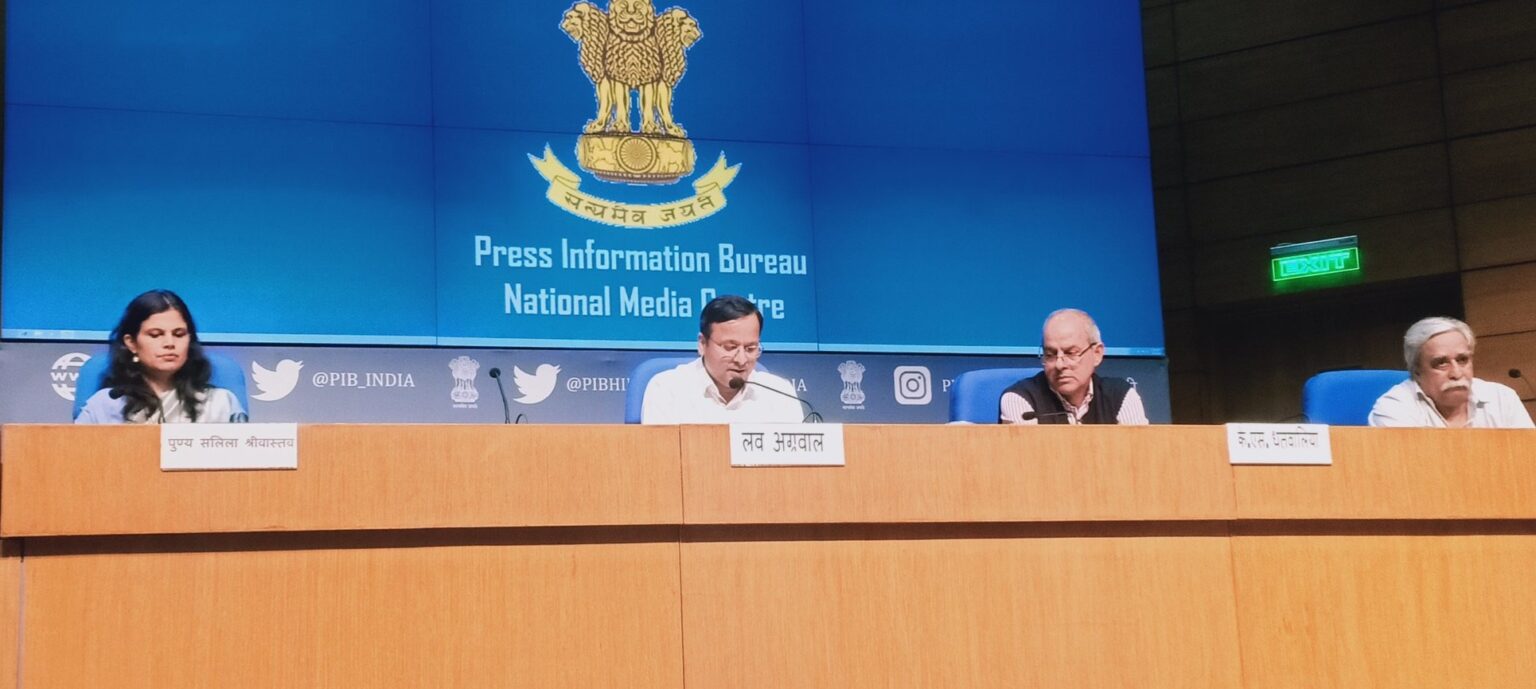
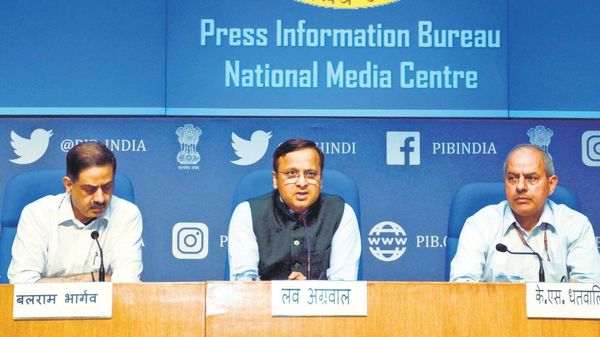
Senior representatives from the Ministry of Health and Family Welfare addressed journalists in New Delhi, underscoring that the India vaping law prohibits the production, manufacture, import, export, sale, distribution, storage, and advertisement of electronic nicotine delivery systems.
Health Secretary Ananya Rao stated,
“Our responsibility is to safeguard young people from addiction and prevent new forms of nicotine dependency from taking root in our society.”
Officials explained that the India vaping law is grounded in precautionary principles, citing evidence suggesting that flavored vaping products may attract adolescents and non smokers. The government maintains that allowing such products into the domestic market could reverse gains achieved through decades of tobacco control measures.
Corporate Response and Industry Advocacy
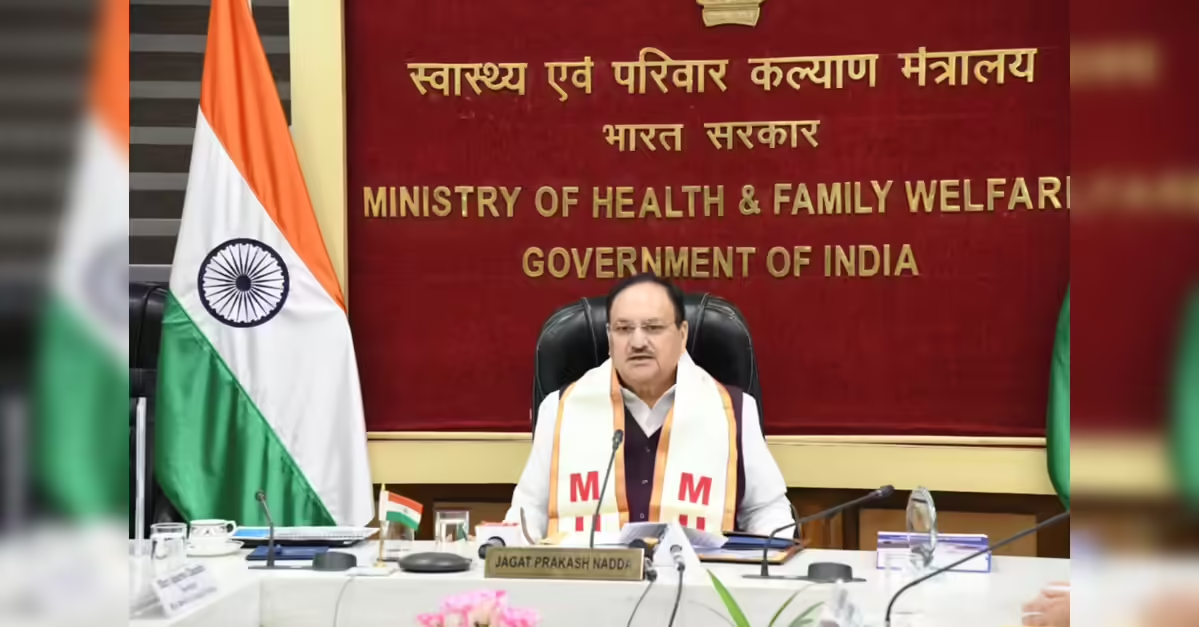
Multinational tobacco company Philip Morris International has advocated globally for regulated alternatives to combustible cigarettes, arguing that innovation can contribute to harm reduction strategies. However, policymakers indicated that such arguments have not altered India’s current regulatory stance.
Industry representatives have suggested that controlled legalization could generate tax revenue and offer adult smokers additional options. Nevertheless, authorities reiterated that the India vaping law reflects India’s demographic realities and public health priorities.
A senior government official remarked that policy decisions must remain insulated from corporate lobbying, reaffirming confidence in the existing legal structure.
Public Health Community Reaction
Medical associations and public health researchers across India have largely endorsed the continued enforcement of the India vaping law. Experts argue that nicotine exposure during adolescence can disrupt neurological development and increase susceptibility to long term addiction.
Dr. Meera Kulkarni, a leading pulmonologist based in Mumbai, commented,
“Prevention is more effective than cure, and restricting access to vaping devices protects a generation from avoidable health risks.”
Advocates note that maintaining the India vaping law strengthens India’s broader anti tobacco initiatives, including graphic warning labels, public smoking restrictions, and advertising controls.
Enforcement Strategy in 2026
Authorities confirmed intensified monitoring of online marketplaces and border checkpoints to prevent illegal imports of vaping products. Customs officials have reported multiple seizures of unauthorized shipments this year.
The enforcement mechanism embedded within the India vaping law grants investigative agencies authority to confiscate devices and initiate legal proceedings against violators. Government sources indicated that compliance levels have improved compared with earlier phases of implementation.
Officials stated that vigilance remains essential to ensuring the India vaping law achieves its intended impact nationwide.
Economic Debate and Fiscal Considerations
Critics of the prohibition argue that regulated legalization could provide economic benefits. However, public finance experts advising the government contend that healthcare costs associated with nicotine addiction outweigh potential tax revenues.
Maintaining the India vaping law, they argue, aligns with long term economic stability by reducing projected burdens on public hospitals and insurance systems. Analysts emphasize that prevention driven policy frameworks may yield sustainable benefits beyond immediate fiscal calculations.
The debate reflects a broader global conversation on harm reduction versus absolute restriction.
International Comparisons and Policy Context
Countries around the world have adopted diverse regulatory models for electronic nicotine products. Some permit sales under strict guidelines, while others impose complete bans. Within this international spectrum, the India vaping law represents one of the most comprehensive prohibitions.
Global health organizations continue to monitor India’s approach, assessing whether long term data demonstrate measurable reductions in youth experimentation and nicotine uptake.
Officials maintain that sovereign policy decisions must reflect domestic evidence rather than external pressure, reinforcing the durability of the India vaping law.

Social Impact and Youth Awareness
Educational institutions across India have incorporated awareness campaigns addressing nicotine addiction and respiratory health. By upholding the India vaping law, policymakers aim to send a clear message regarding the risks associated with emerging nicotine technologies.
Community groups report that public awareness of vaping related risks has grown steadily since the law’s introduction. Surveys conducted by independent researchers indicate broad parental support for maintaining the ban.
Authorities stress that youth protection remains the central pillar of the India vaping law, shaping enforcement and communication strategies alike.
Legal Foundation and Legislative Stability
The statutory framework underpinning the India vaping law was enacted by Parliament and has since withstood legal scrutiny. Courts have declined to overturn the legislation, reinforcing its constitutional validity.
Legal analysts observe that the stability of the India vaping law provides clarity for businesses and enforcement agencies, minimizing regulatory ambiguity.
Officials reiterated that any future reconsideration would depend on robust domestic scientific findings rather than international advocacy.
History of Electronic Cigarette Regulation in India
India’s approach to electronic nicotine regulation evolved rapidly during the late 2010s as concerns grew regarding youth experimentation. Policymakers observed rising availability of imported vaping devices in metropolitan areas, prompting legislative action.
The introduction of the India vaping law marked a decisive shift toward preventive regulation. Authorities cited early warning signals from other markets where youth uptake increased sharply following commercialization.
Since its enactment, the law has been positioned as a proactive measure designed to avoid long term public health consequences associated with new nicotine technologies.
Looking Ahead in Public Health Governance
As India navigates evolving global debates, the India vaping law continues to symbolize a precaution driven strategy. Officials emphasize that safeguarding adolescents and preserving public health achievements remain paramount objectives.
The reaffirmation in New Delhi underscores the government’s intention to maintain regulatory continuity. While discussions around harm reduction persist internationally, India’s policy stance appears firmly anchored in prevention.
With enforcement mechanisms strengthened and public awareness campaigns expanding, the India vaping law stands as a defining element of India’s 2026 public health framework. Policymakers suggest that long term evaluation will guide future considerations, but for now, the prohibition remains intact as a cornerstone of national tobacco control policy.