Gaza Strip, 2026 — The Humanitarian aid Gaza Strip response is facing unprecedented strain as civilians endure worsening shortages of food, medical supplies, fuel, and clean water. Aid organizations warn that access constraints and logistical barriers are preventing relief efforts from matching the scale of need, leaving more than two million residents exposed to prolonged humanitarian hardship.
As international mediators continue negotiations, the Humanitarian aid Gaza Strip situation has become a defining test of global humanitarian coordination, highlighting the gap between diplomatic commitments and conditions on the ground.
A Population Living Under Sustained Humanitarian Pressure
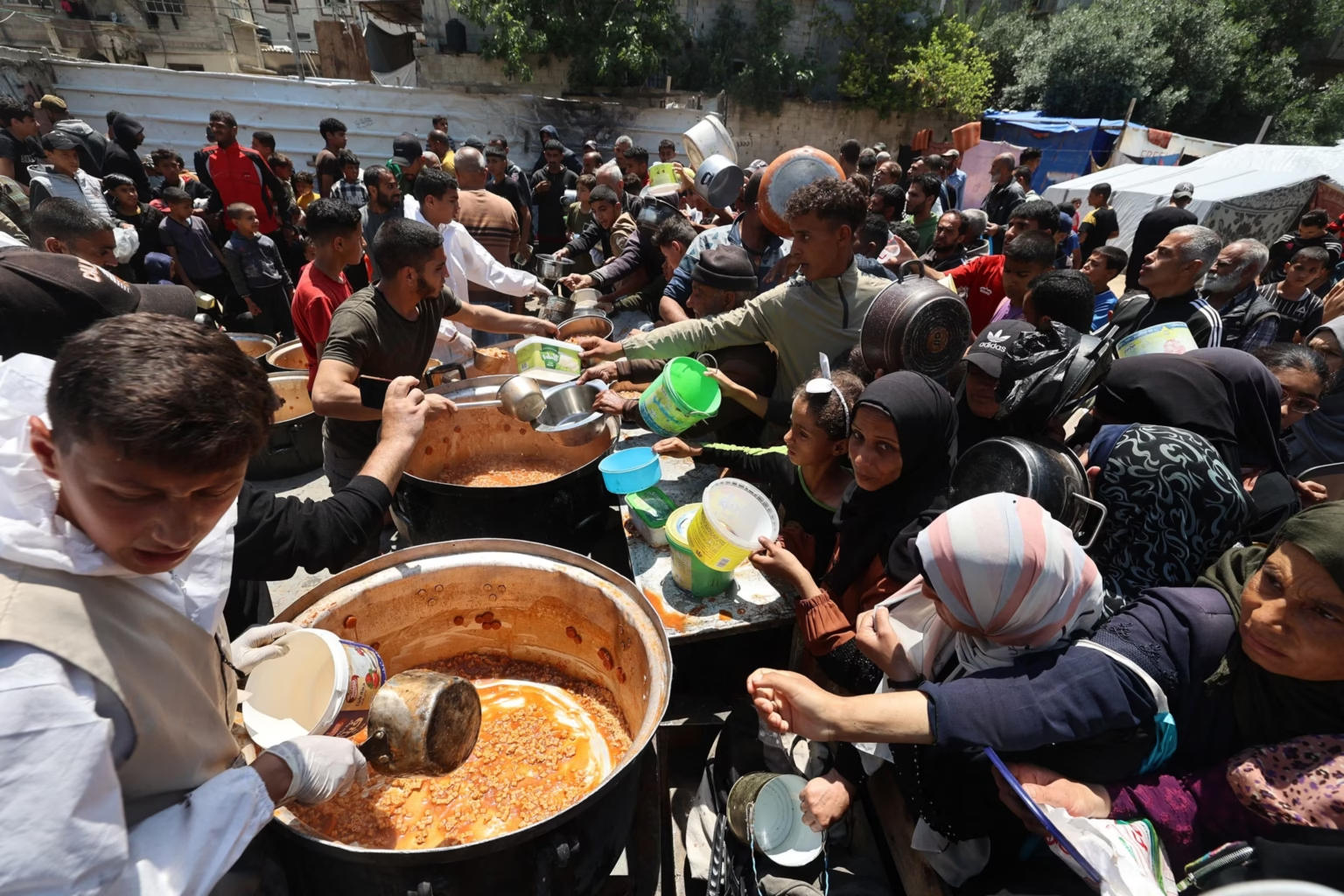
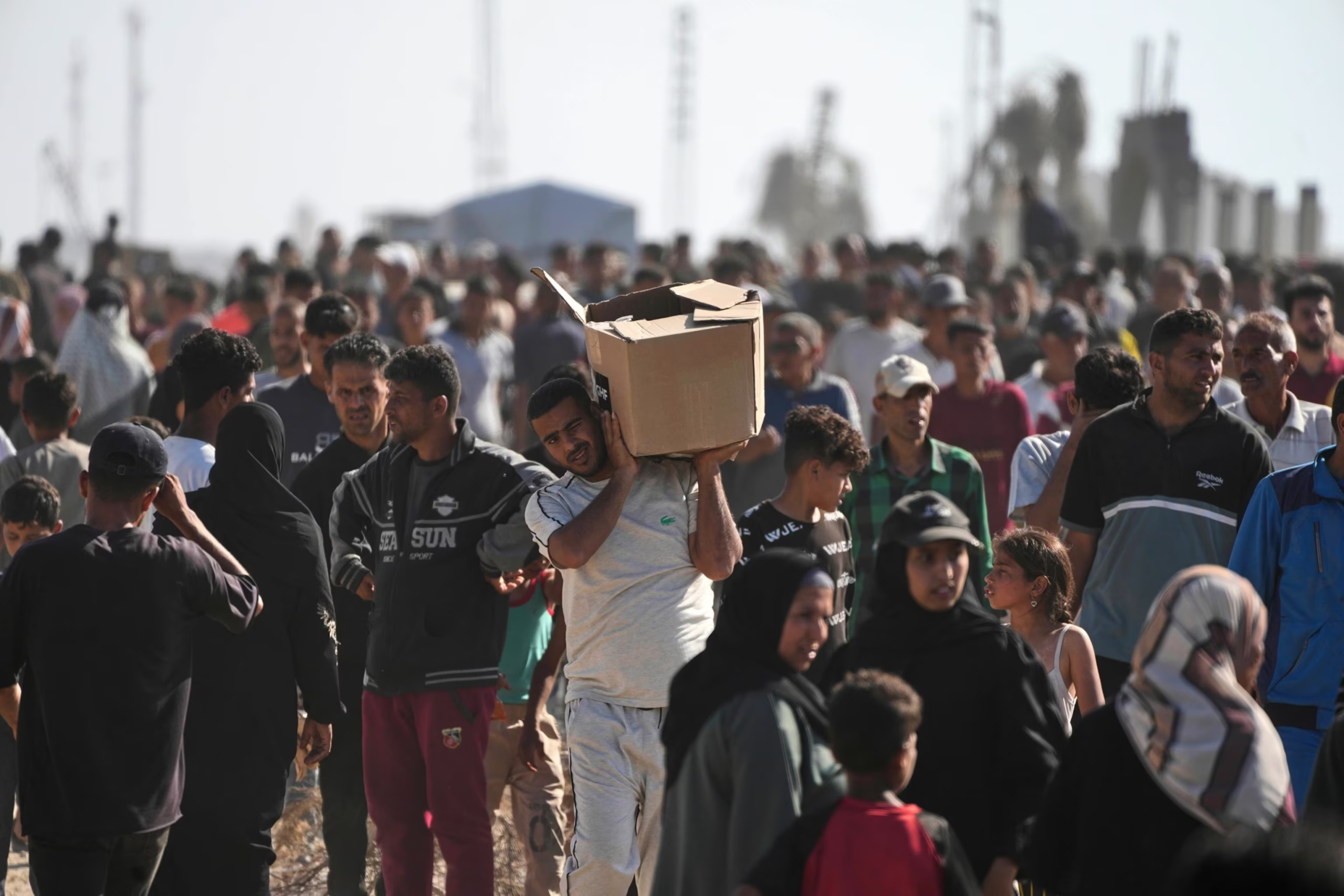
Daily life across Gaza has become increasingly fragile. Families report surviving on minimal food rations, while water access is often limited to a few hours every several days. Electricity shortages disrupt nearly all aspects of civilian life, from food storage to communication and healthcare.
Humanitarian workers say the Humanitarian aid Gaza Strip system is functioning in constant emergency mode, with relief deliveries unable to meet baseline humanitarian standards. Many households now rely entirely on external assistance, underscoring the depth of civilian dependency created by prolonged instability.
Food Shortages and Rising Malnutrition
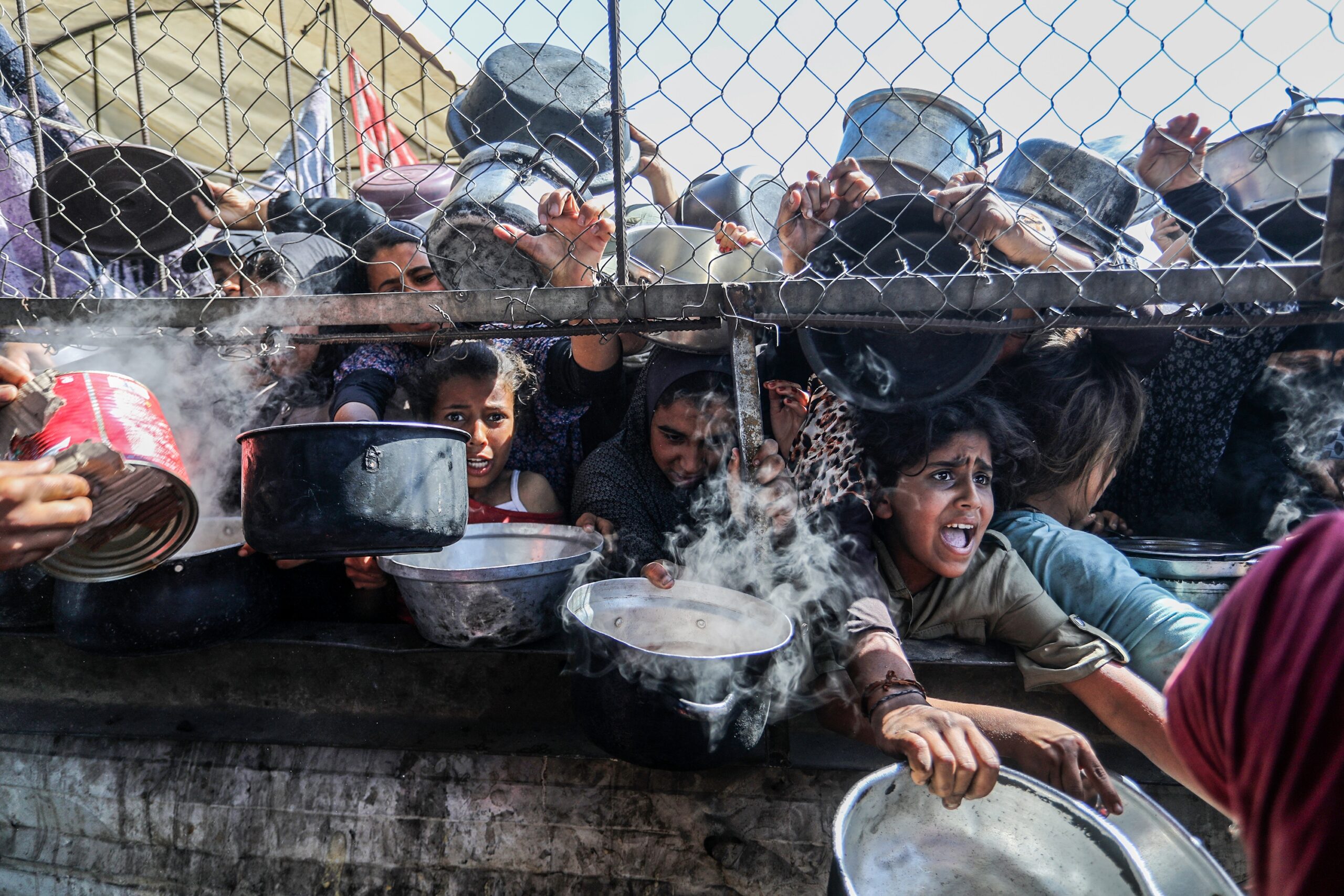
Food insecurity has emerged as one of the most severe aspects of the crisis. Bakeries struggle to operate due to fuel shortages, while staple goods remain scarce or unaffordable. Aid agencies report that children are increasingly affected by acute and chronic malnutrition.
Nutrition specialists stress that the Humanitarian aid Gaza Strip food pipeline lacks consistency, making it difficult to maintain therapeutic feeding programs. Without regular deliveries, clinics are forced to prioritize only the most critical cases.
Healthcare System Under Extreme Strain
Hospitals across Gaza are operating beyond capacity. Doctors describe shortages of anesthesia, antibiotics, surgical equipment, and even basic medical consumables such as gloves and syringes. Power cuts regularly interrupt life-saving procedures.
Health authorities say Humanitarian aid Gaza Strip medical support is essential to keep hospitals functioning, particularly intensive care units and dialysis centers. Interruptions in supply chains have already led to preventable complications and deaths, according to medical staff.
Patients Requiring Treatment Outside Gaza
Thousands of patients require specialized treatment unavailable locally, including oncology care, complex surgeries, and advanced diagnostics. Medical referrals depend on external coordination that remains slow and uncertain.
Human rights organizations argue that Humanitarian aid Gaza Strip efforts must include expanded medical travel pathways to prevent avoidable fatalities. Delays often mean patients arrive too late for effective treatment.
Aid Delivery Routes and Logistical Barriers
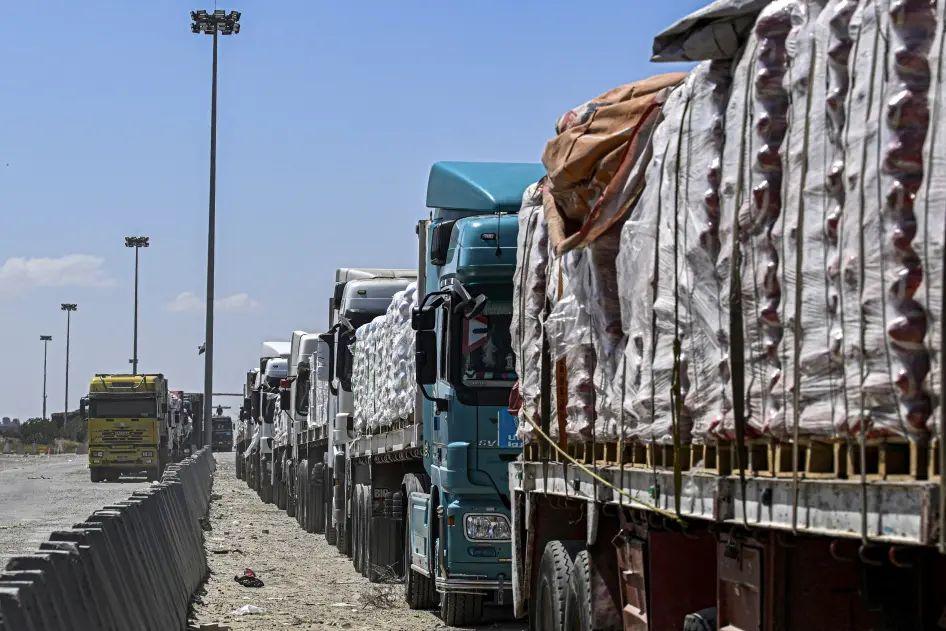
Aid convoys entering Gaza face multiple constraints, including inspection delays, security checks, and limited operating hours at border crossings. Relief agencies report that deliveries often arrive sporadically and in volumes far below daily needs.
Coordinators note that Humanitarian aid Gaza Strip operations are hindered by unpredictable access, complicating distribution planning and increasing the risk of localized shortages.
Impact on Children and Education
Children make up a large proportion of Gaza’s population and are among the most affected by the humanitarian crisis. Schools have closed or reduced hours due to infrastructure damage and safety concerns, while many children lack access to learning materials.
Education specialists warn that without stronger Humanitarian aid Gaza Strip support for schooling and psychosocial care, long-term developmental harm may persist well beyond the current crisis.
Water, Sanitation, and Public Health Risks
Clean water access remains severely limited. Desalination and pumping systems are hampered by electricity shortages and infrastructure damage. Many residents rely on unsafe water sources, increasing the risk of waterborne diseases.
Public health officials emphasize that Humanitarian aid Gaza Strip water and sanitation assistance is critical to preventing outbreaks that could overwhelm an already fragile healthcare system.
Economic Collapse and Civilian Livelihoods
Beyond immediate humanitarian needs, Gaza faces deep economic disruption. Unemployment remains widespread, and local markets function at minimal capacity. Small businesses struggle to reopen amid instability and supply shortages.
Economists note that while Humanitarian aid Gaza Strip programs provide essential relief, they cannot replace sustainable economic activity. Long-term recovery will require reconstruction and access to broader markets.
Role of International Humanitarian Agencies
International organizations continue to operate in Gaza under difficult conditions. Aid workers describe navigating security risks, limited mobility, and resource constraints while attempting to reach vulnerable populations.
Ensuring continuity of Humanitarian aid Gaza Strip programs requires sustained funding, safe access, and political backing, aid leaders say.
Safety Risks for Aid Workers
Humanitarian personnel face ongoing safety challenges, including restricted movement and unpredictable security conditions. Any disruption to staff safety can halt multiple assistance programs simultaneously.
Aid groups stress that protecting workers is essential for maintaining Humanitarian aid Gaza Strip operations and ensuring civilians receive assistance without interruption.
Diplomatic Efforts and Humanitarian Negotiations
International mediators remain engaged in discussions aimed at improving humanitarian access. Aid agencies urge that relief corridors be treated as neutral and protected pathways, separate from political negotiations.
Diplomats acknowledge that Humanitarian aid Gaza Strip access has become a central issue in regional talks, reflecting the scale of civilian suffering.
One Quote From a Humanitarian Coordinator
A senior humanitarian coordinator working in Gaza said,
“Every delay in access translates into preventable suffering for families who have already exhausted their coping mechanisms.”
Donor Funding and Resource Constraints
While donor governments continue to pledge support, aid organizations warn of funding gaps as global crises compete for attention. Shortfalls threaten to reduce program coverage in health, nutrition, and water services.
Advocates argue that sustained Humanitarian aid Gaza Strip funding is necessary to avoid further deterioration and ensure continuity of essential services.
Regional Implications Beyond Gaza
The humanitarian crisis has implications for regional stability. Neighboring areas monitor developments closely due to potential displacement pressures and broader security concerns.
Analysts suggest that outcomes related to Humanitarian aid Gaza Strip may influence future humanitarian responses across the region.
Long-Term Health Consequences
Medical experts warn that prolonged interruptions in care will have lasting consequences, including increased disability and chronic illness burdens. Children missing vaccinations and regular checkups face elevated health risks.
Sustained Humanitarian aid Gaza Strip medical support is viewed as essential to preventing a long-term public health crisis.
Mental Health and Psychological Impact
Years of instability and deprivation have taken a toll on mental health. Counselors report rising cases of anxiety, depression, and trauma, particularly among children.
Mental health services remain limited, highlighting another gap in Humanitarian aid Gaza Strip programming that requires urgent attention.
Coordination Challenges Among Aid Providers
With multiple organizations operating simultaneously, coordination remains complex. Overlapping mandates and limited access windows complicate distribution planning.
Improved coordination is critical to maximizing Humanitarian aid Gaza Strip impact and avoiding duplication or gaps in assistance.
Technology and Aid Monitoring
Aid agencies increasingly rely on digital tools to track deliveries and assess needs. However, connectivity issues and power shortages limit effectiveness.
Despite these challenges, improved monitoring could strengthen Humanitarian aid Gaza Strip accountability and efficiency.
Environmental Concerns and Infrastructure Damage
Damage to water systems, waste facilities, and energy infrastructure has environmental consequences that further threaten public health.
Environmental experts stress that Humanitarian aid Gaza Strip efforts must incorporate infrastructure rehabilitation to prevent long-term ecological harm.
Civil Society and Community Networks
Local community organizations play a key role in identifying vulnerable households and distributing aid. Their local knowledge helps bridge gaps left by limited access.
Strengthening community involvement enhances Humanitarian aid Gaza Strip effectiveness and resilience, aid groups say.
Outlook for the Remainder of 2026
As 2026 progresses, the humanitarian outlook remains uncertain. Relief agencies warn that without expanded access and sustained funding, conditions may continue to deteriorate.
The future of Humanitarian aid Gaza Strip efforts will depend on political will, diplomatic progress, and global attention.
A Final Turning Point Beyond Emergency Response
This crisis represents more than an emergency—it is a test of international responsibility. Whether humanitarian principles can be upheld amid political complexity will shape not only Gaza’s future but global humanitarian norms.
The Measure of Global Commitment
Ultimately, the response to this crisis will be judged not by statements or pledges, but by whether civilians receive the food, care, dignity, and protection they need to rebuild their lives.