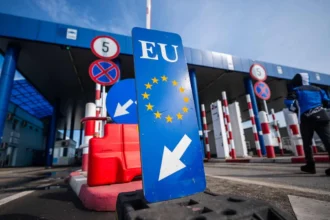

Driving in Spain offers freedom and flexibility for residents and visitors alike. For many EU citizens relocating or traveling to Spain, understanding how EU driving licence rules apply within the Spanish context is essential.
This guide covers everything you need to know about using, exchanging, renewing, and obtaining driving licences in Spain under the EU framework. It also explains Spain’s points-based licence system, fitness requirements, and recent regulatory updates relevant in 2025.
Spain is part of the European Economic Area (EEA), and as such, driving licences issued by EU and EEA countries are generally recognized and valid within Spanish territory. The Spanish Directorate-General for Traffic (DGT) oversees driving licences and road safety in Spain, ensuring drivers meet standardized competence and fitness requirements.
Whether you have a licence from another EU country or are new to Spain, this article helps demystify the process of legally driving and managing licences in Spain.
Using Your EU Driving Licence in Spain
If you hold a valid driving licence issued by any EU or EEA country, you can drive in Spain without exchanging your licence—at least initially. It is mandatory to register with the DGT within six months of establishing ordinary residence in Spain if you intend to stay long term.
Registration helps the authorities maintain accurate records and ensures compliance with local rules. However, exchanging your licence for an equivalent Spanish one remains voluntary as long as your foreign licence is valid.
If your EU/EEA licence expires while living in Spain, you must renew it through the Spanish authorities. For certain vehicle categories—such as cars, motorcycles, and mopeds (Group 1), or heavier vehicles like trucks and buses (Group 2)—licences with indefinite validity or longer validity periods must be renewed within two years after establishing residence.
Exchanging Your EU Driving Licence for a Spanish Licence
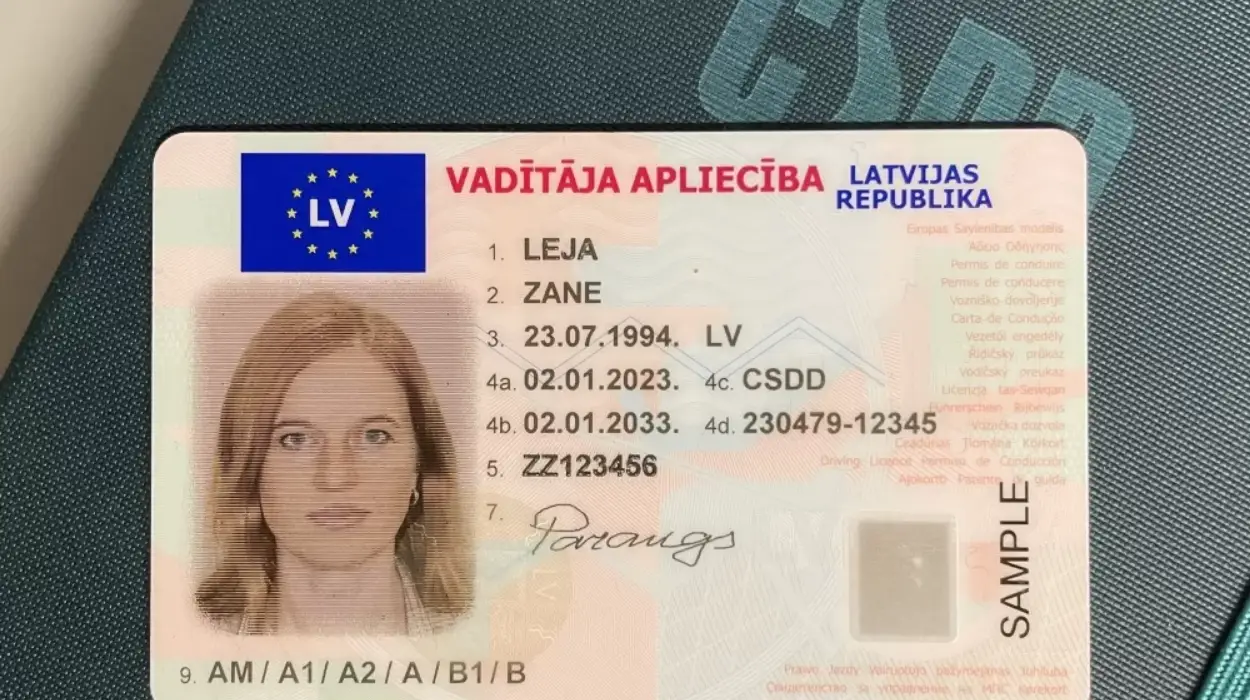
Exchanging your EU driving licence, or “canje de permiso de conducir,” is usually a straightforward process. It involves replacing your foreign licence with an equivalent Spanish licence, managed by the DGT.
During the exchange process, your original licence is temporarily withdrawn, and you receive a provisional Spanish licence. The definitive licence arrives by post within approximately six weeks, so there is no need for repeated visits to the police station or DGT office.
To exchange an EU driving licence in Spain, applicants must submit a series of documents to the Directorate-General for Traffic (DGT). These include a valid foreign driving licence, proof of identity such as a passport or national ID card, and a foreign identification number (NIE). Additionally, applicants need to provide proof of residency, commonly through a certificate of registration (padrón). Recent passport-sized photographs and a medical fitness certificate from an authorized centre are also required as part of the application.
Lastly, the completed official application form supplied by the DGT must be submitted. Importantly, the driving age stipulated by Spanish regulations must align with the age requirements associated with the licence being exchanged.
This ensures that the exchanged Spanish licence is valid under national laws. The process is designed to be straightforward and convenient, often including the issuance of a provisional licence while the definitive one is being processed.
How to Obtain a New Spanish Driving Licence
For individuals who do not already possess a valid EU or EEA driving licence, or hold foreign licences without reciprocal agreements with Spain, obtaining a Spanish driving licence involves meeting several key requirements. First, applicants must establish proof of residency in Spain, typically by demonstrating normal residence status.
They are also required to provide certification of mental and physical fitness from an authorized medical center, ensuring they meet safety and health standards appropriate for driving.
Prospective drivers must successfully pass both theoretical and practical driving tests administered by the Spanish Directorate-General for Traffic (DGT), verifying their knowledge and competence. It is essential that applicants are not currently disqualified or banned from driving in Spain or any other jurisdiction.
In addition, they must meet the minimum age criteria established for the specific vehicle category they intend to operate. Spanish driving licence categories encompass a wide range of vehicles, including mopeds, motorcycles, cars, agricultural machinery, and commercial vehicles, each with its own set of tailored testing and fitness standards to ensure road safety.
The Spanish Points-Based Driving Licence System
Spain operates a points-based licence system credited with an initial balance of 12 points for most drivers. New drivers or those regaining licences after withdrawal start with eight points. Points are deducted for serious traffic offences, with varying deductions depending on the violation’s severity. Some serious infractions like drunk driving, reckless driving, or illegal racing can lead to immediate loss of all points.
If a driver loses all points, their licence validity is suspended following due procedure. To recover driving privileges, the driver must wait for a specific period (6 months for general drivers, 3 months for professional drivers), complete refresher courses, pass a theory test related to these courses, and then apply for a new licence—with an initial credit of eight points.
Good driving over two years without offences allows point recovery up to a maximum of 12 points, and additional refresher courses can earn up to 15 points total.
Licence Renewal and Replacement in Spain
EU and EEA driving licences are valid in Spain as long as they remain current and valid. Drivers must renew their licences within Spain when required, especially if the licence period is indefinite or valid beyond set durations for different vehicle groups. Renewal involves medical fitness verification, submission of application documents, and may be initiated online or in person at DGT offices.
If a licence is lost, stolen, or damaged, holders can request replacement through the DGT, receiving a provisional licence while waiting for the official replacement to arrive.
Important Considerations for UK Licence Holders Post-Brexit
Since Brexit, UK driving licences are recognized in Spain for up to six months from the date a UK citizen establishes residency. After six months, UK residents must exchange their licences for Spanish ones. Thanks to bilateral agreements, UK licence holders are not required to retake driving tests for exchanging licences.
However, licences issued by Jersey, Guernsey, or the Isle of Man are not exchangeable and require passing Spanish driving exams..
Navigating driving licence rules in Spain as an EU resident or newcomer is now more accessible thanks to harmonized EU standards and Spain’s user-friendly DGT procedures. Whether you are using your existing EU licence, exchanging it for a Spanish one, or obtaining a new licence, understanding Spain’s requirements and systems—including its points-based penalties and renewal processes—will ensure lawful and safe driving. Spain’s ongoing integration of digital licences and streamlined exchanges further facilitates mobility and convenience for all drivers.
Dear reader,
Opinions expressed in the op-ed section are solely those of the individual author and do not represent the official stance of our newspaper. We believe in providing a platform for a wide range of voices and perspectives, even those that may challenge or differ from our own. We remain committed to providing our readers with high-quality, fair, and balanced journalism. Thank you for your continued support.