Every few years, the hospitality industry returns to the same debate: reduce VAT, cut tax and save restaurants.
A lower rate of VAT would undoubtedly help many businesses, but after operating restaurants every day I believe we are asking the wrong question.
The real issue is not how much tax restaurants pay. It is whether many restaurants are commercially viable before tax is even calculated. That is the elephant in the room. A business that loses money before VAT is added will still struggle after a VAT reduction. Tax relief treats a symptom; it does not cure the disease.
Hospitality has faced a perfect storm. Energy prices remain well above historical norms for many commercial users. Food inflation has fundamentally changed menu costing.
National Living Wage increases, higher National Insurance costs and recruitment pressures have driven labour costs upwards. Many operators are also servicing debt accumulated during and after the pandemic.
There is another growing burden that receives far less attention: technology costs. Modern hospitality businesses rely on EPOS systems, online reservation platforms, payment processing, Wi-Fi, accounting software, payroll software, HR systems, delivery platforms, marketing subscriptions, cybersecurity and digital compliance.
Individually these subscriptions may appear manageable, but together they create thousands of pounds of annual overhead before a single customer walks through the door.
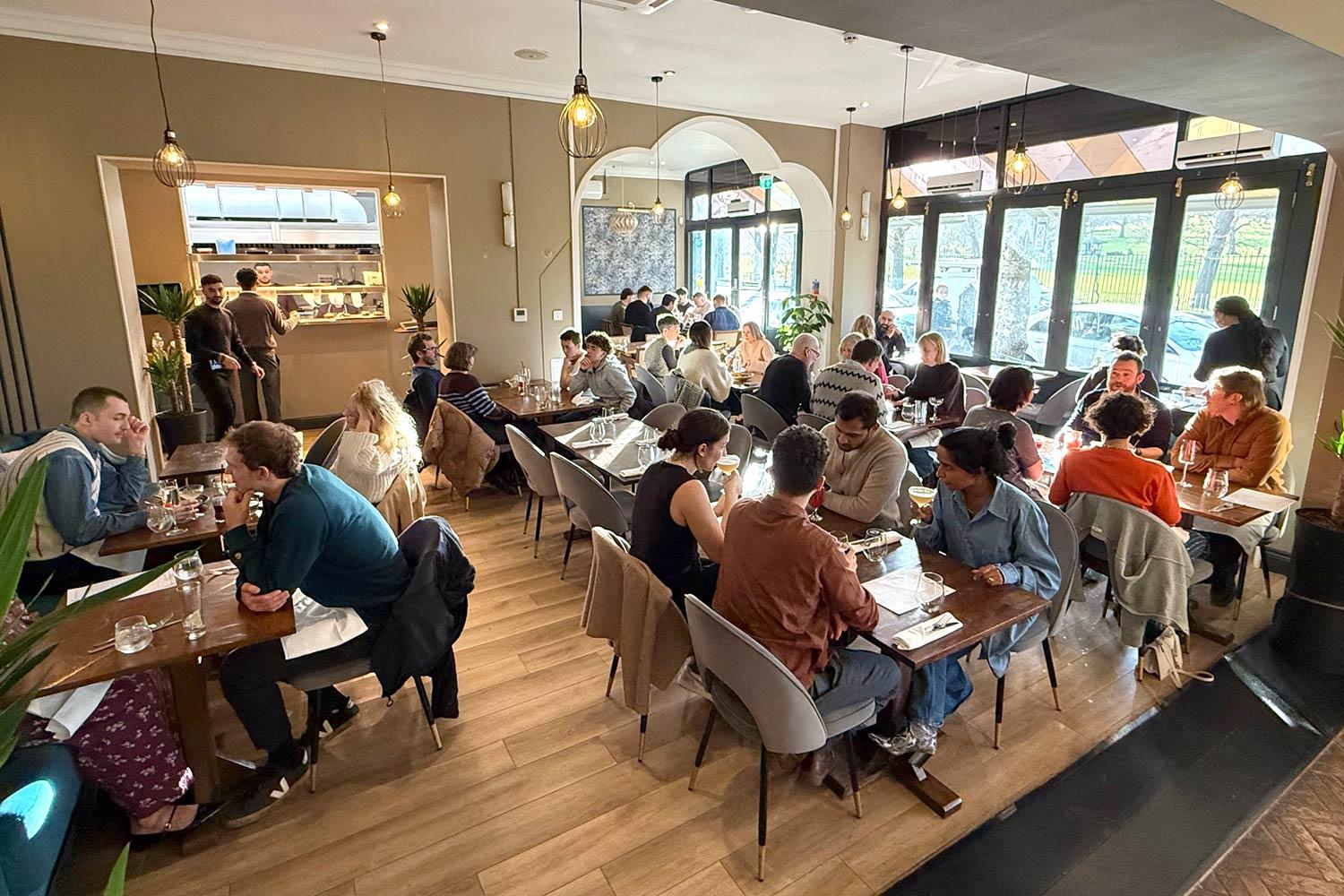
As a restaurant owner, I worry far more about empty tables than VAT. A full restaurant can absorb many rising costs.
An empty restaurant cannot. Government policy should therefore focus not only on helping businesses survive but also on increasing demand by revitalising town centres, investing in tourism, improving transport links and creating reasons for people to visit our high streets.
Commercial energy deserves far greater attention. Restaurants cannot simply switch equipment off.
Refrigeration, extraction systems, ovens, freezers, dishwashers and ventilation operate for long hours every day. Hospitality needs a long-term commercial energy strategy that gives businesses certainty rather than constant volatility.
Business rates also require modernisation. Independent restaurants now compete not only with neighbouring businesses but with delivery-only kitchens and multinational digital platforms. The tax system should reflect today’s trading environment.
Hospitality creates employment, trains young people, supports British farmers, fishermen, food producers, wholesalers, logistics companies and tourism.
Every successful restaurant generates economic activity far beyond its own turnover. Helping hospitality succeed is an investment in local economies, not simply support for one industry.Rather than asking only ‘Should VAT be reduced?’, I would encourage the Government to ask a bigger question: ‘How do we make hospitality businesses commercially sustainable for the next twenty years?’
I believe the answer includes a long-term commercial energy strategy, comprehensive business rates reform, policies that increase town-centre footfall, support for British food production, investment in tourism, sensible adoption of technology and an economic environment that restores consumer confidence.
If those fundamentals improve, profitability improves. If profitability improves, investment follows. Jobs follow. Tax revenues follow. The hospitality industry does not simply need tax relief. It needs a long-term strategy for sustainable profitability.