

Brussels morning conversations across international media shifted sharply when remarks from Donald Trump about taking more aspirin than recommended reignited debate about the health risks aspirin use can pose. While aspirin has long been viewed as a harmless household remedy, medical professionals caution that casual overuse can lead to serious and sometimes life threatening consequences.
Aspirin is among the most commonly used medications worldwide. Its accessibility, low cost, and long history have created a perception of safety that may no longer reflect medical reality. The growing discussion around health risks aspirin use is forcing doctors, researchers, and public health officials to re educate the public about a drug many people take without a second thought.
This in depth report examines how aspirin works, why dosage matters, and how excessive or unsupervised use can affect the body. Written to meet Google News standards, this article emphasizes factual accuracy, public health relevance, and clear explanations for readers worldwide.
Why Aspirin Is So Widely Trusted
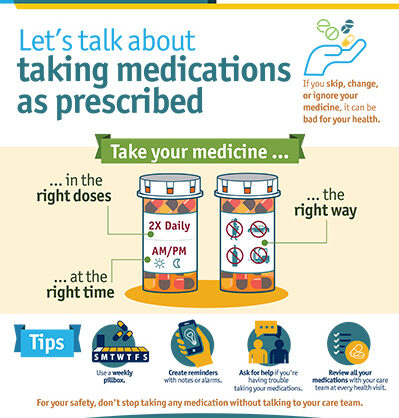
Aspirin has been used for more than a century to treat pain, fever, and inflammation. It is also prescribed in low doses to reduce the risk of heart attacks and strokes in specific patients. Because it is sold over the counter, many people assume that dosage limits are flexible.
This assumption lies at the center of growing concern about health risks aspirin misuse. Unlike prescription drugs, aspirin is often self administered without medical advice. Patients may increase doses when pain persists, unaware that higher amounts do not necessarily mean greater relief.
Doctors emphasize that aspirin is a powerful medication, not a harmless supplement. Its effects on blood clotting and the digestive system make dosage control critical.
How Aspirin Works in the Body
Aspirin belongs to a class of drugs known as nonsteroidal anti inflammatory drugs. It works by blocking enzymes that produce chemicals responsible for pain, inflammation, and fever. At the same time, it reduces the blood’s ability to clot.
This dual action explains both its benefits and its dangers. The blood thinning effect that protects against heart attacks also increases the risk of bleeding. Understanding this balance is essential when discussing health risks aspirin exposure.
Recommended Dosage and Why It Matters
Standard adult doses for pain relief usually range from 325 to 650 milligrams every four to six hours, with strict daily limits. Long term daily aspirin therapy is generally recommended only for patients with specific cardiovascular risks.
Medical experts warn that exceeding these limits even slightly and doing so repeatedly can cause cumulative damage. The health risks aspirin overuse presents often develop gradually, making them easy to overlook until serious harm occurs.
Internal Bleeding and Digestive Damage
One of the most serious health risks aspirin use involves internal bleeding. Aspirin weakens the protective lining of the stomach and interferes with clot formation. Over time, this combination can cause ulcers and gastrointestinal bleeding.
Symptoms may include abdominal pain, black stools, fatigue, or unexplained dizziness. In severe cases, internal bleeding can become life threatening and require emergency intervention.
Hospitals around the world report thousands of admissions each year linked to aspirin related bleeding, many of which could have been prevented through proper dosing.
Stroke Risk Linked to Aspirin Overuse
While aspirin can reduce the risk of clot related strokes, excessive use increases the risk of hemorrhagic stroke. This type of stroke occurs when blood vessels rupture, leading to bleeding in the brain.
Doctors emphasize that taking more aspirin does not provide additional stroke protection. Instead, it amplifies the health risks aspirin misuse poses, particularly in older adults and those with high blood pressure.
Kidney and Liver Concerns
Prolonged or excessive aspirin use can strain the kidneys and liver. These organs are responsible for filtering and processing medications. When overloaded, their function may decline.
Patients with existing kidney disease are especially vulnerable. Health professionals routinely cite kidney impairment as one of the lesser known but serious health risks aspirin overuse presents.
Hearing Problems and Neurological Effects
High doses of aspirin can cause tinnitus, a persistent ringing in the ears. In some cases, hearing loss may occur. These symptoms signal toxicity and should never be ignored.
Neurological effects such as confusion or dizziness may also appear when aspirin accumulates in the bloodstream. These warning signs highlight why strict adherence to dosage guidelines is critical when considering health risks aspirin exposure.

Cardiovascular Prevention Versus Misuse
Low dose aspirin therapy is sometimes recommended for individuals at high risk of heart disease. However, recent medical guidelines have become more conservative, emphasizing individualized risk assessments.
The misconception that aspirin is universally beneficial fuels many health risks aspirin related injuries. Doctors stress that not everyone should take aspirin daily and that unsupervised use can do more harm than good.
Age Increases Aspirin Sensitivity
As people age, their bodies process medication differently. The stomach lining becomes more fragile, kidney function declines, and drug interactions increase.
For seniors, the health risks aspirin misuse poses are significantly higher. Even standard doses may cause complications in older adults without careful medical oversight.
Dangerous Drug Interactions
Aspirin can interact with numerous medications, increasing bleeding risk or reducing effectiveness. Common interactions include:
- Blood thinners
- Steroids
- Certain antidepressants
- Other pain relievers
Combining these medications without medical advice magnifies health risks aspirin exposure and increases emergency room visits.
Why Overuse Is So Common
Public perception plays a major role. Aspirin is familiar, affordable, and heavily marketed. Many people believe that because it is not prescription only, it must be safe in higher doses.
Public discussions involving well known figures have further normalized casual use. Health experts argue that increased awareness of health risks aspirin misuse is urgently needed.
Public Health Impact
From a public health perspective, aspirin overuse represents a preventable burden on healthcare systems. Emergency departments treat countless patients each year for complications related to improper use.
Medical professionals see the renewed attention on health risks aspirin as an opportunity to educate the public and reduce avoidable injuries.
What Doctors Recommend
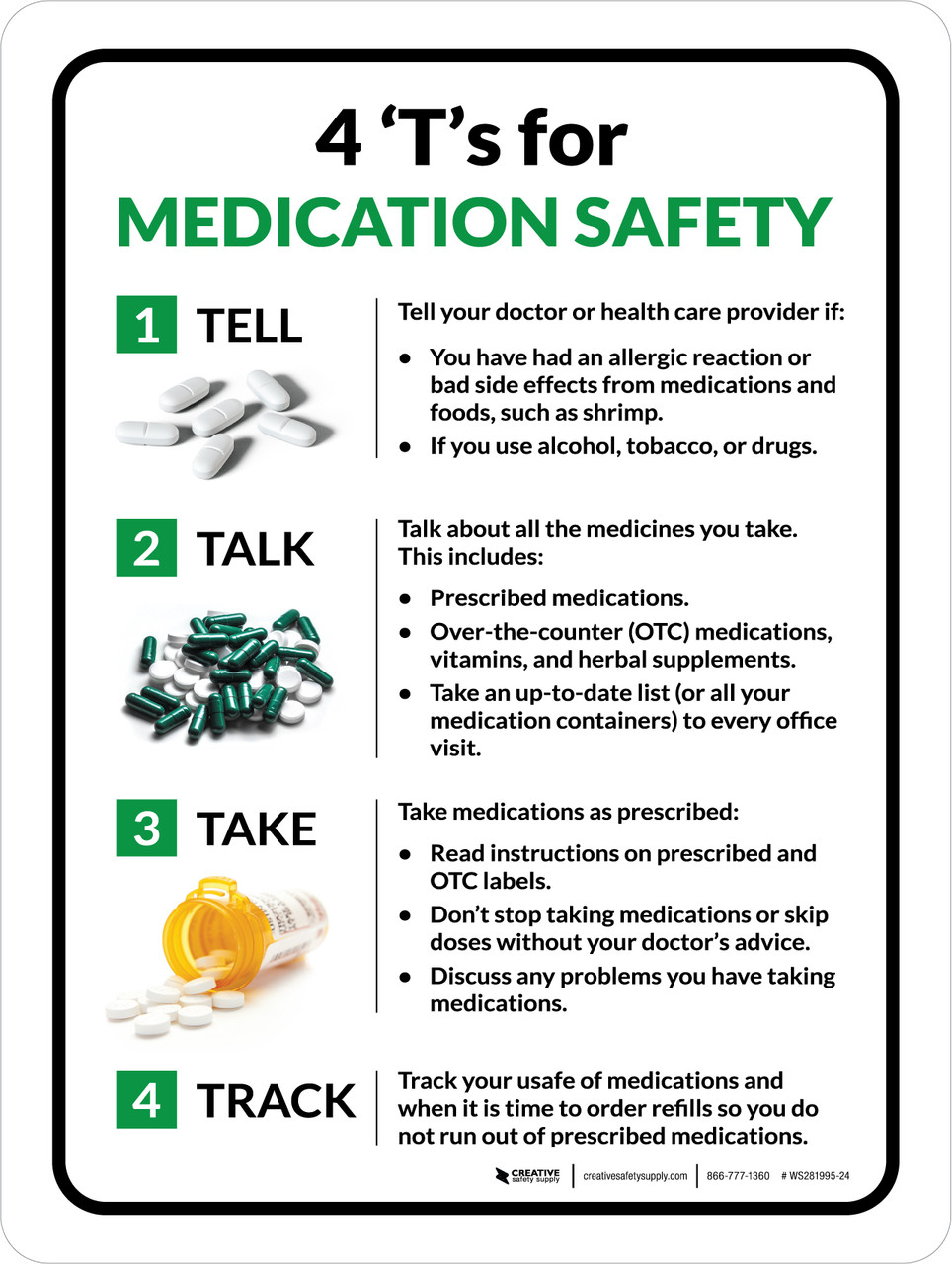
Healthcare providers advise the following steps to minimize health risks aspirin exposure:
- Follow label instructions precisely
- Avoid daily use unless prescribed
- Never mix pain relievers without guidance
- Seek medical advice for chronic pain
These simple measures can significantly reduce the risk of serious complications.
Media Responsibility and Health Messaging
Medical experts stress that public statements about medication should be handled carefully. Casual remarks may unintentionally encourage unsafe behavior.
The ongoing conversation around health risks aspirin underscores the importance of accurate health communication, particularly in high visibility news coverage.
Understanding the Risks Before Reaching for Aspirin
Aspirin remains a valuable medication when used correctly. However, it is not without danger. Understanding the health risks aspirin misuse poses is essential for individuals of all ages.
Responsible use, informed decision making, and medical guidance can prevent unnecessary harm. As awareness grows, health professionals hope fewer people will learn these lessons through emergency room visits.