The end of armed conflict is often celebrated as the beginning of peace, but for many societies the hardest work begins after the fighting stops. healing divided nations is a long and complex process that extends far beyond ceasefires and political agreements. While weapons may be silenced, emotional trauma social mistrust and economic damage continue to shape daily life for millions of people.
True recovery requires more than rebuilding roads and institutions. It demands restoring human relationships repairing broken trust and addressing the deep scars left by violence. Without these efforts peace remains fragile and divisions persist beneath the surface.
The Lingering Effects of War on Society
Conflict reshapes societies in lasting ways. Communities that once lived side by side may become separated by fear and suspicion. Families carry memories of loss displacement and betrayal that do not fade quickly.
In this environment healing divided nations means confronting painful realities rather than ignoring them. Avoiding the past often allows resentment to grow silently eventually threatening stability.
Psychological Trauma and Collective Healing
One of the most overlooked consequences of conflict is psychological trauma. Survivors frequently suffer from anxiety depression and post traumatic stress. Children raised amid violence may struggle with trust and emotional regulation throughout adulthood.
Without mental health support healing divided nations becomes significantly more difficult. Trauma that goes unaddressed often passes from one generation to the next reinforcing cycles of fear and division.
Rebuilding Trust Between Former Enemies
Trust is one of the first casualties of internal conflict and one of the hardest elements to restore. Neighbors who once depended on one another may now see each other through the lens of past violence.
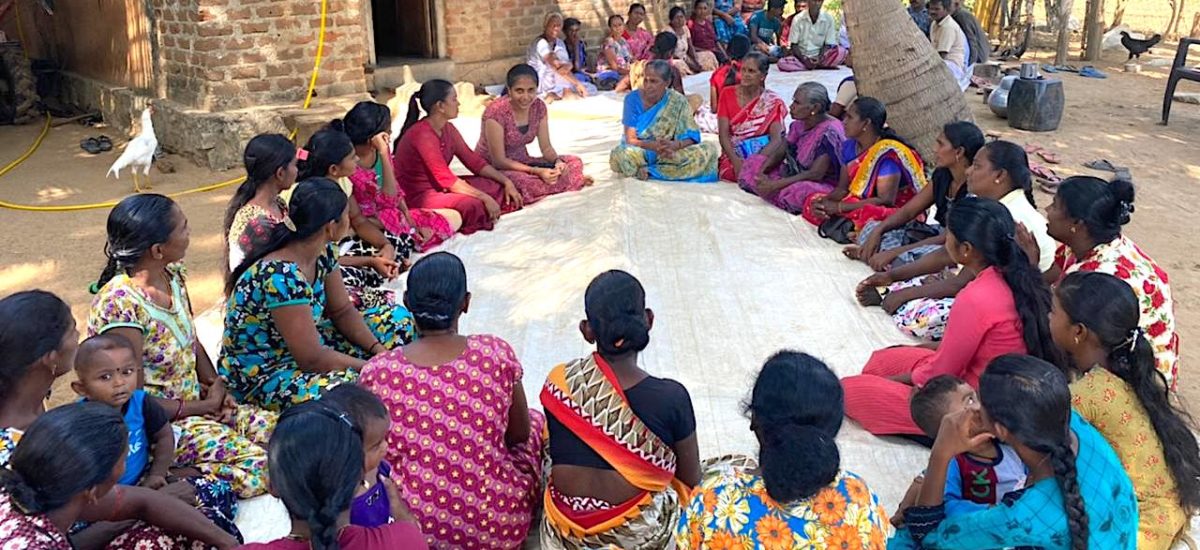
Dialogue programs community projects and local cooperation initiatives play a crucial role in healing divided nations. When people work together toward shared goals fear slowly gives way to understanding.
Justice and Accountability as Foundations of Peace
Lasting peace cannot exist without justice. Victims of conflict seek acknowledgment accountability and dignity. When crimes go unanswered resentment grows and reconciliation stalls.
Truth commissions courts and restorative justice efforts contribute to healing divided nations by validating suffering and demonstrating that no group is above the law.
Economic Recovery and Shared Opportunity
War destroys economies and deepens inequality. Infrastructure collapses businesses close and unemployment rises. When recovery benefits only certain regions or groups resentment intensifies.
Inclusive economic policies are essential to healing divided nations. Jobs education and access to resources must be distributed fairly to reduce competition and rebuild confidence in the future.
Political Inclusion and Institutional Reform
Post conflict governments face enormous challenges in restoring legitimacy. Citizens who suffered under violence often distrust political leaders especially when former power structures remain intact.
Inclusive governance transparent institutions and fair elections are critical to healing divided nations. When people feel represented they are more likely to invest in peace.
Education and Shaping the Next Generation
Schools play a powerful role in shaping national identity after conflict. History can be taught in ways that deepen division or promote understanding.
Education systems that emphasize shared experiences critical thinking and empathy support healing divided nations by preventing hatred from being inherited by future generations.
Media Responsibility and National Narratives
Media outlets strongly influence how societies remember conflict. Sensationalism biased reporting and misinformation can reopen wounds and harden divisions.
Responsible journalism supports healing divided nations by promoting balanced narratives truth and dialogue rather than fear and blame.

Role of Civil Society and Local Leadership
Grassroots organizations often succeed where national institutions struggle. Community leaders religious figures and volunteers build trust through direct engagement.
Their work is vital to healing divided nations, especially in regions where government authority is weak or mistrusted.
Reintegration of Former Combatants
Former fighters must be reintegrated into society to prevent renewed violence. Without education employment and social acceptance ex combatants may become destabilizing forces.
Successful reintegration programs strengthen healing divided nations by transforming former enemies into contributing citizens.
Remembering the Past Without Reopening Wounds
Memorials and commemorations honor victims and preserve history but memory must be handled carefully. When remembrance becomes politicized it can deepen division.
Balanced approaches to memory support healing divided nations by encouraging empathy rather than competition over suffering.
International Support and Its Limits
International aid plays an important role in post conflict recovery but lasting success depends on local ownership. External solutions cannot replace community driven healing.
When aligned with local priorities international assistance supports healing divided nations rather than creating dependency.

Cultural Expression as a Path to Reconciliation
Art music theater and storytelling help societies process trauma in ways politics often cannot. Cultural expression humanizes experiences and creates shared emotional space.
These efforts contribute meaningfully to healing divided nations by giving voice to pain hope and resilience.
Preventing a Return to Violence
Post conflict societies remain vulnerable to relapse. Economic crises political instability or inflammatory rhetoric can quickly reopen old wounds.
Strong institutions early warning systems and inclusive dialogue are essential for healing divided nations over the long term.
Lessons From Successful Recoveries
History shows that peace is not achieved overnight. Countries that successfully rebuilt after conflict invested consistently in justice education and opportunity.
These examples demonstrate that healing divided nations is a long term commitment not a single political decision.
Leadership and the Power of Language
Leaders shape national tone through words and actions. Language that inflames identity differences can undo years of progress.
Responsible leadership supports healing divided nations by promoting unity restraint and respect even during moments of tension.
Social Cohesion in Everyday Life
True recovery is visible in ordinary moments. When people shop work and celebrate together without fear trust begins to return.
These daily interactions are essential to healing divided nations beyond formal agreements and institutions.
Looking Toward a Shared Future
Peace is more than the absence of war. It is the presence of dignity opportunity and mutual respect.
By addressing root causes and fostering inclusion healing divided nations can move from aspiration to reality ensuring that past divisions do not define future generations.