Nuuk, Greenland, January 2026 — Brussels Morning Newspaper — High-level diplomatic discussions held this week in Brussels have brought renewed international attention to Greenland sovereignty, placing the Arctic territory at the center of debates on self-determination, security, climate change, and global power competition. European officials, Nordic diplomats, and transatlantic partners used the meetings to underline that Greenland’s future must be decided by its people, amid rising geopolitical interest in the Arctic region.
The timing of the discussions reflects a broader reassessment of Arctic priorities in 2026, as melting ice, emerging shipping routes, and technological competition reshape strategic calculations. For many participants, the renewed focus on Greenland sovereignty represents not a sudden crisis, but the natural result of long-term global shifts now reaching a critical stage.
Greenland’s Place in the Modern Arctic
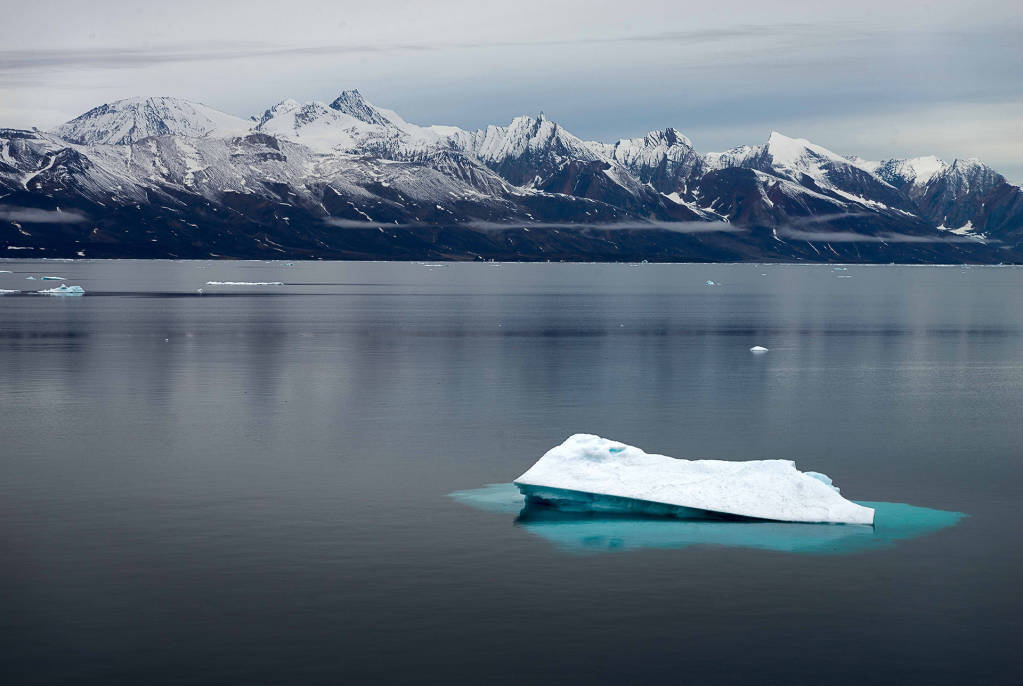
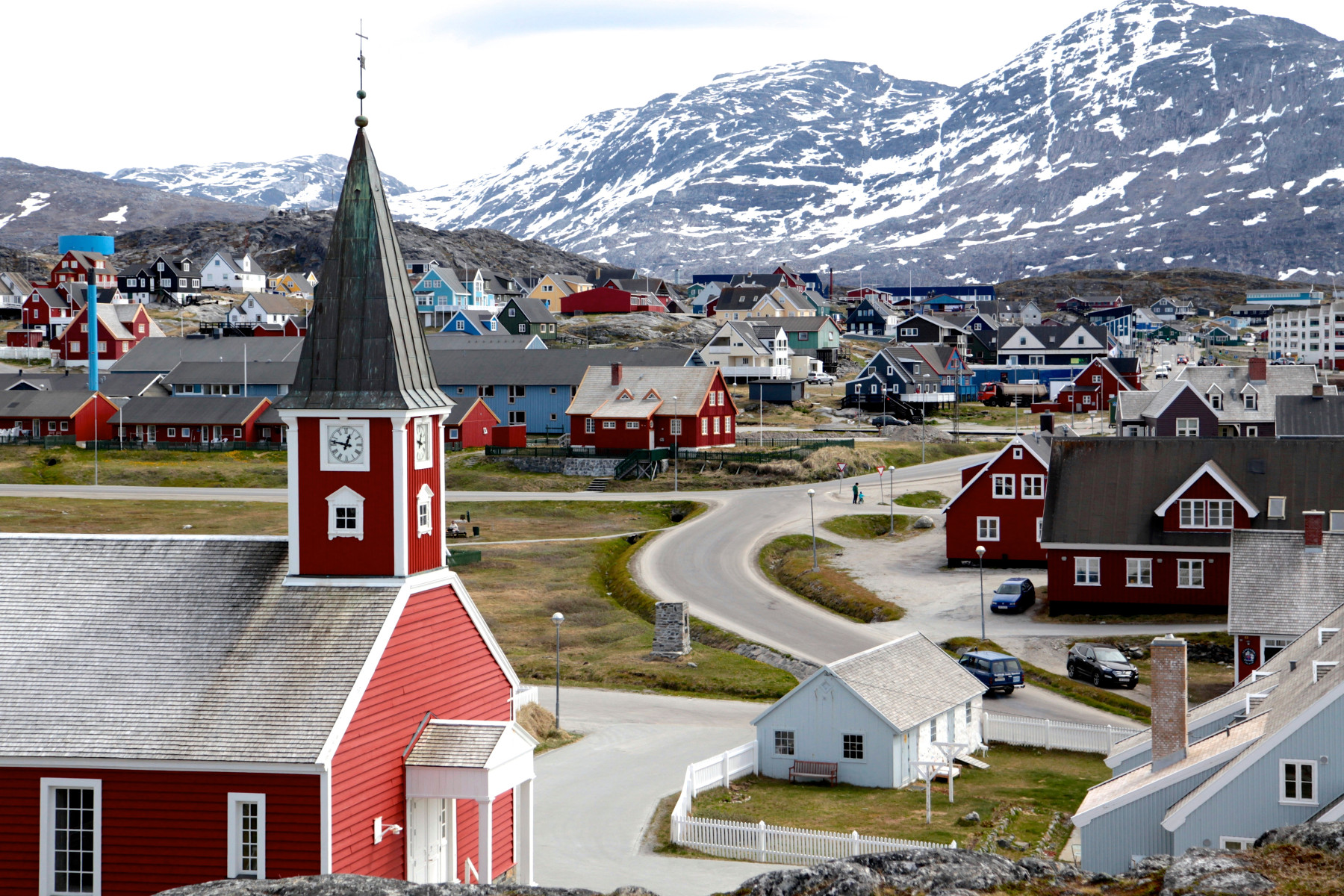
Greenland is the world’s largest island, stretching deep into the Arctic Circle and commanding access to vital sea lanes and air routes. Long viewed as remote, the island has become increasingly central to international planning as climate change alters the physical and economic landscape of the north.
As global attention intensifies, Greenland sovereignty has emerged as a defining issue that connects environmental change with political rights. European officials stressed in Brussels that geographic importance does not override democratic principles, a message repeated across multiple diplomatic sessions.
Historical Path Toward Self-Governance
Greenland’s political evolution has been gradual and deliberate. Over decades, the territory has expanded its autonomy within the Kingdom of Denmark, gaining control over domestic affairs, natural resources, and cultural policy. Referendums and legislative reforms have strengthened local institutions and public confidence.
This historical trajectory gives depth to current debates. Advocates note that Greenland sovereignty is rooted in lived political experience, not abstract theory. The island’s governance model reflects steady progress toward greater self-determination rather than abrupt political shifts.
Denmark’s Legal and Political Framework
Denmark maintains responsibility for foreign affairs and defense, but Copenhagen has consistently emphasized that Greenland’s autonomy is protected by law. Danish officials attending the Brussels meetings reaffirmed that any future changes to Greenland’s status must be driven by democratic choice and legal process.
For Denmark, respect for Greenland sovereignty is inseparable from respect for international law. Officials warned that careless rhetoric or external pressure could undermine trust among allies and destabilize Arctic cooperation.
Voices from Nuuk
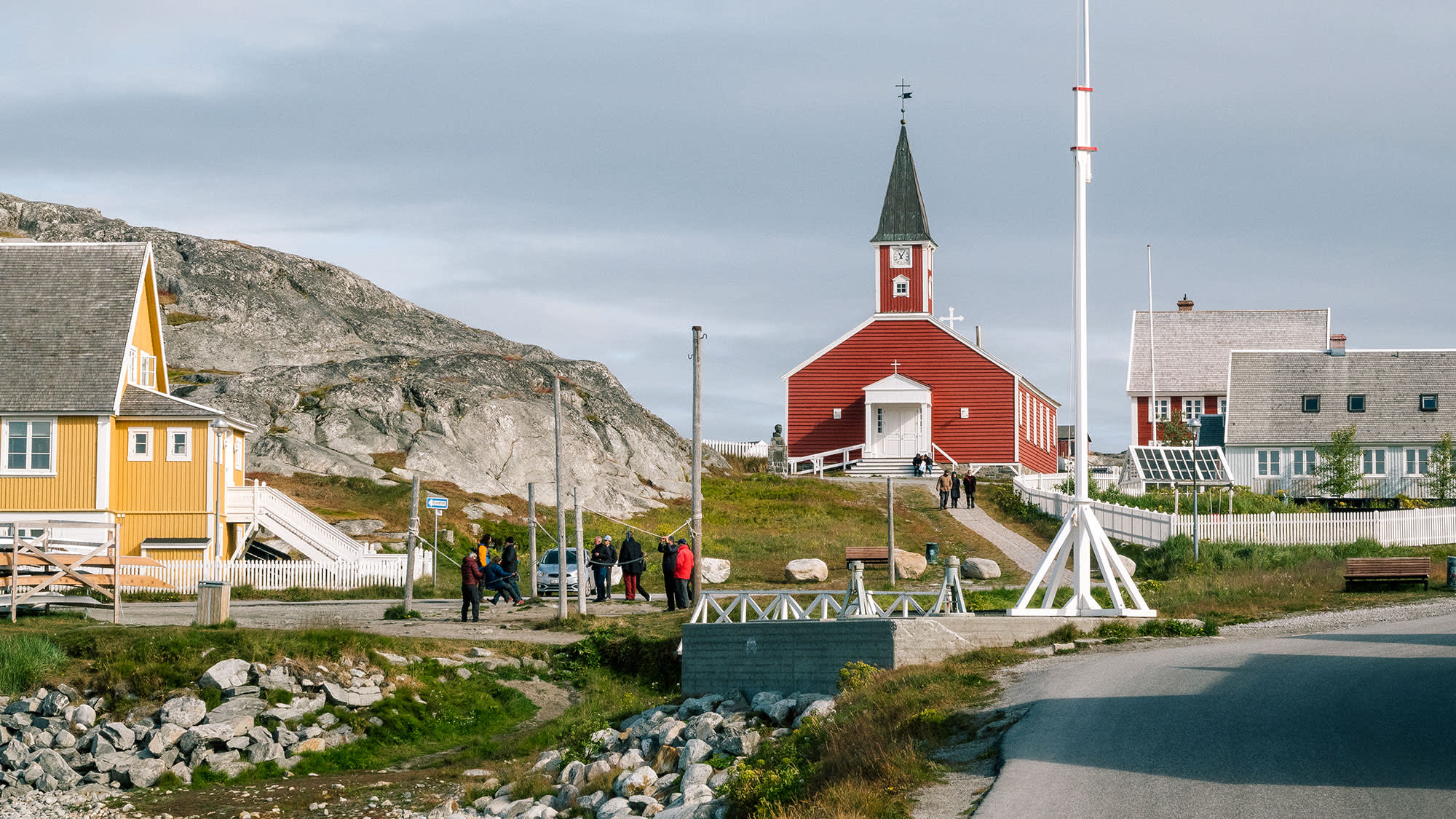
Representatives from Greenland’s capital, Nuuk, used the international attention to restate their priorities. Economic development, cultural preservation, and environmental protection remain central goals for Greenlandic leaders, who argue that autonomy must translate into practical benefits for citizens.
In public statements, Greenlandic officials framed Greenland sovereignty as both a right and a responsibility. Managing resources wisely, protecting fragile ecosystems, and maintaining democratic accountability were cited as essential components of long-term self-rule.
European Union Engagement
The European Union has expanded its Arctic engagement in recent years, focusing on sustainability, research, and regional stability. Brussels discussions highlighted the EU’s interest in supporting Arctic communities while respecting territorial integrity.
European policymakers stressed that backing Greenland sovereignty aligns with broader EU values, including democracy, environmental stewardship, and peaceful cooperation. Several member states called for deeper dialogue with Greenlandic institutions rather than external decision-making.
Security Dimensions in the Arctic
Security considerations featured prominently in Brussels, particularly in relation to NATO planning. Greenland hosts critical infrastructure, and its location makes it strategically significant for monitoring and defense.
Alliance officials emphasized that military interests must coexist with political autonomy. Preserving Greenland sovereignty was described as a stabilizing factor that reduces the risk of miscalculation in an increasingly active Arctic theater.
The Role of the United States
Renewed discussion followed public comments by former US president Donald Trump, which resurfaced earlier debates about Greenland’s strategic value. While no formal policy proposals were introduced, the remarks reignited media attention and diplomatic responses.
European and Nordic officials in Brussels were careful to distinguish rhetoric from policy, reiterating that Greenland sovereignty is not subject to negotiation by external actors. The episode nevertheless illustrated how political statements can reverberate far beyond national borders.
Economic Interests and Natural Resources
Greenland’s mineral wealth, including rare earth elements, has attracted growing international interest. Supporters argue that responsible development could strengthen the local economy, while critics warn of environmental and social risks.
At the heart of these debates lies Greenland sovereignty, which determines who controls licensing, regulation, and revenue distribution. Brussels discussions highlighted the importance of local consent and transparent governance in any future resource projects.
Climate Change as a Driving Force
Climate change is reshaping Greenland faster than many regions on Earth. Melting glaciers affect global sea levels, while changing ice conditions alter traditional livelihoods such as fishing and hunting.
For Greenlandic leaders, climate impacts make Greenland sovereignty more urgent. Greater control over environmental policy is seen as essential to adapting to rapid change and protecting future generations.
Media Attention and Public Narrative
International media coverage has often framed Greenland within narratives of competition and power. Analysts caution that such framing can oversimplify complex realities and overshadow local voices.
Nevertheless, sustained attention has elevated Greenland sovereignty in global discourse, forcing policymakers to address issues that might otherwise remain peripheral to mainstream debates.
Diplomatic Messaging from Brussels
Throughout the Brussels meetings, diplomats emphasized calm and consistency. Statements focused on cooperation, legal frameworks, and long-term planning rather than confrontation.
One senior European official observed,
“The Arctic will remain stable only if respect for self-determination guides every external engagement.”
This single remark encapsulated the prevailing mood among participants.
Transatlantic Relations and Arctic Policy
The Arctic has become a key element of transatlantic dialogue. While cooperation between Europe and North America remains strong, differing political styles and priorities occasionally surface.
In this context, Greenland sovereignty serves as a reference point for managing disagreement without undermining alliance cohesion. Officials stressed that shared values provide a foundation for resolving differences constructively.
Cultural Identity and Social Continuity
Beyond geopolitics, Greenland’s Inuit heritage and cultural traditions play a central role in debates about the future. Language preservation, education, and community cohesion are closely linked to political autonomy.
Supporters argue that Greenland sovereignty enables cultural continuity by empowering local institutions to shape policy in line with social values and historical experience.
International Law and Norms
Legal experts participating in Brussels panels highlighted that Greenland’s status is governed by established international agreements. Any attempt to alter that status without consent would face widespread opposition.
Respecting Greenland sovereignty was repeatedly described as a test of the international community’s commitment to rules-based order in an era of strategic competition.
Long-Term Outlook for the Arctic
Looking ahead, Arctic governance is expected to grow more complex as economic opportunity and environmental risk increase. Multilateral cooperation, transparency, and local participation were identified as essential principles.
Within this framework, Greenland sovereignty remains a cornerstone, shaping how regional and global actors engage with the Arctic responsibly.
Beyond Headlines and Short-Term Politics
While political attention often moves quickly, Greenland’s development follows a longer timeline. Infrastructure planning, education reform, and environmental management require sustained commitment.
Brussels discussions concluded with calls to keep Greenlandic voices central as global interest grows, ensuring that autonomy translates into tangible progress rather than symbolic recognition alone.
A Defining Moment in 2026
As 2026 unfolds, the renewed debate in Brussels underscores that Greenland sovereignty is not a passing headline but a defining issue for the Arctic’s future. Geography, climate, and politics converge on the island in ways that demand careful, respectful engagement.
For policymakers, the message from Brussels was clear: stability in the Arctic depends on honoring democratic choice, supporting sustainable development, and recognizing that the people of Greenland must remain at the center of all decisions shaping their future.