Brussels, Belgium, January, 2026 — Brussels Morning Newspaper highlights that a sharp warning from senior European leadership has pushed transatlantic relations into a sensitive phase, as Europe’s institutions cautioned that unilateral military action in Greenland could destabilize the alliance. The unfolding Greenland NATO crisis has emerged as a defining security debate for Europe and North America, placing Arctic sovereignty, alliance norms, and strategic restraint at the forefront of global diplomacy.
The statement, delivered from Brussels, reflects rising concern that intensifying competition in the Arctic could erode the principles that have sustained collective defense for decades. European officials fear that the Greenland NATO crisis may set a precedent that reshapes how alliances function in an era of renewed geopolitical rivalry.
Greenland’s Expanding Role in Arctic Security
Greenland’s strategic location between Europe and North America has long been central to transatlantic defense planning. Early warning systems, missile defense infrastructure, and Arctic surveillance have made the territory indispensable to NATO’s northern posture.
What has changed is the scale of global competition. Melting sea ice has opened new shipping routes and access to resources, increasing geopolitical interest. Analysts argue that the Greenland NATO crisis stems from this transformation, as military planning increasingly intersects with economic and strategic ambitions in the High North.

European Commission Raises Sovereignty Concerns
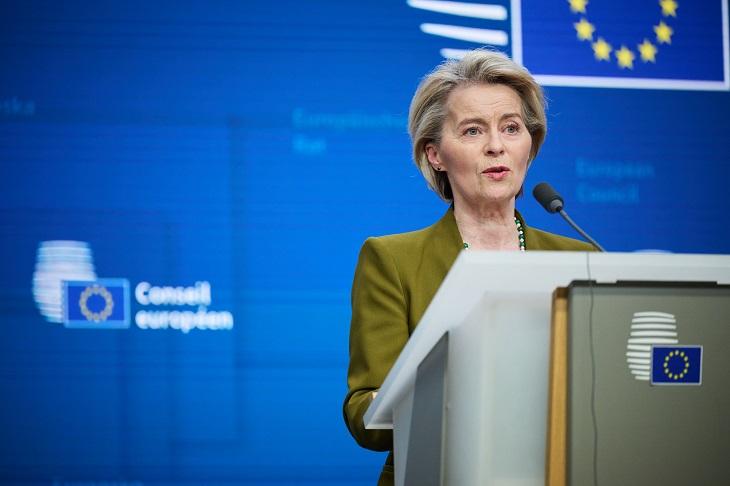
At the heart of the controversy lies a firm European stance on sovereignty and alliance discipline. Officials within the European Commission stress that Greenland’s political status must not be altered through coercion or unilateral pressure by any ally.
Diplomats familiar with internal discussions say the Greenland NATO crisis reflects deeper anxieties that smaller partners could lose influence if strategic decisions are driven solely by military power rather than consensus.
NATO Principles and Alliance Credibility
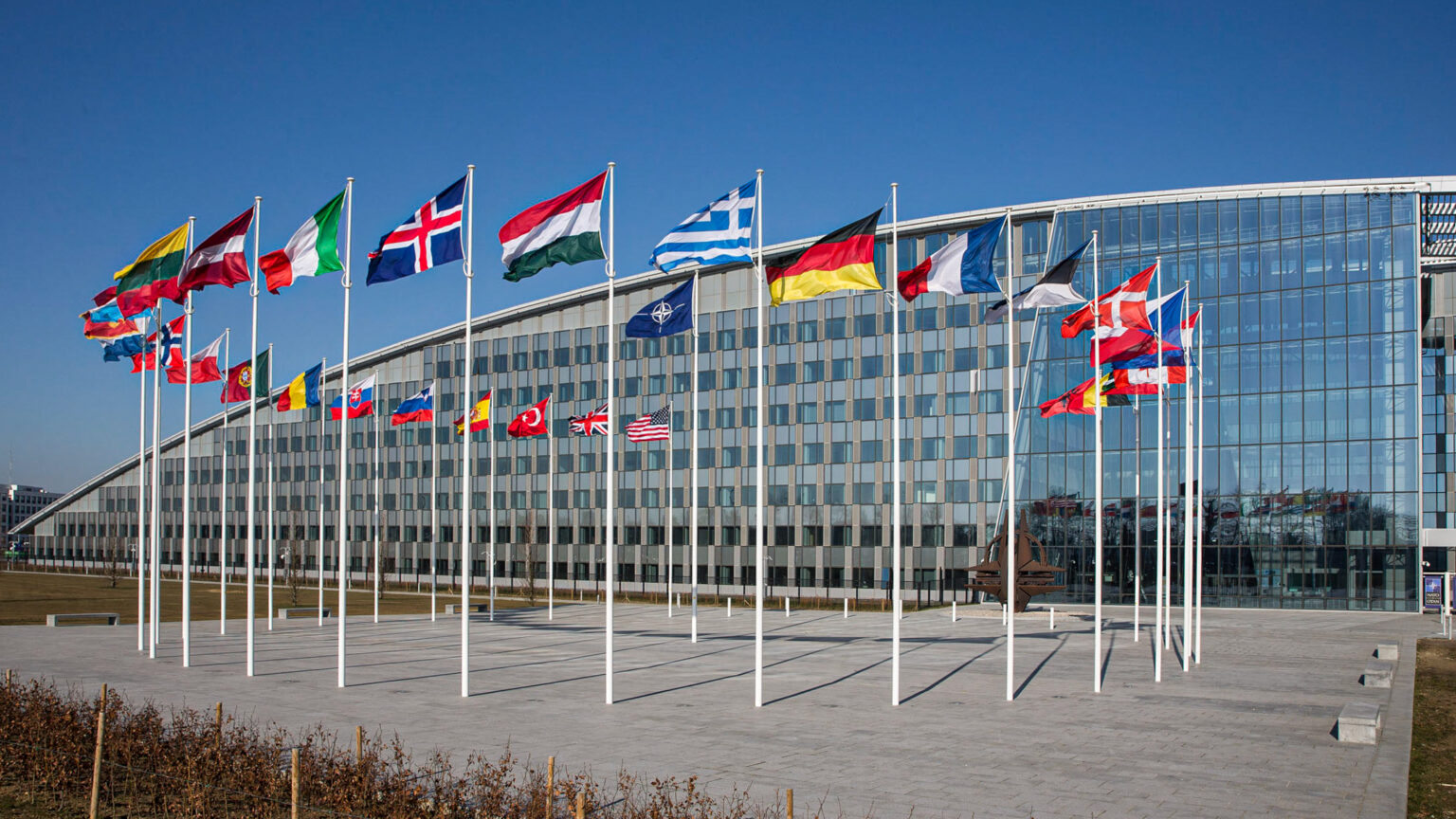
The North Atlantic Treaty Organization operates on the principles of collective defense, consultation, and mutual respect. Any deviation from these norms risks weakening the alliance’s credibility.
Security experts warn that the Greenland NATO crisis could reverberate far beyond the Arctic. If alliance rules appear flexible for certain members, commitments elsewhere in Europe and beyond could be questioned by both allies and adversaries.
Denmark and Greenland’s Political Position
Greenland is an autonomous territory within the Kingdom of Denmark, and Copenhagen has reiterated that sovereignty over the island is not open to negotiation. Greenland’s elected leadership has also emphasized the importance of local consent in any defense or security arrangement.
From a Nordic perspective, the Greenland NATO crisis highlights the delicate balance between national security cooperation and respect for self governance. Danish officials argue that Arctic stability depends on transparency and dialogue rather than escalation.
United States Strategic Interests in the Arctic
The United States has maintained a defense presence in Greenland for decades, largely focused on missile warning and space surveillance. European officials acknowledge these arrangements but emphasize the difference between cooperation and expansion without consultation.
Policy analysts note that the Greenland NATO crisis is not about existing agreements but about concerns that future actions could bypass alliance norms. This distinction has become central to discussions in Brussels and Washington.
Arctic Competition and Global Power Dynamics
The Arctic has become a focal point of strategic competition as Russia expands military infrastructure and China increases scientific and commercial activity in polar regions. Western coordination has been critical in managing these pressures.
Observers warn that prolonged tension linked to the Greenland NATO crisis could distract NATO from addressing external challenges. Disunity among allies would create strategic openings for rival powers seeking to exploit internal divisions.
Economic Stakes and Resource Security
Beyond military considerations, Greenland’s natural resources have gained global attention. Rare earth minerals, essential for renewable energy technologies and advanced manufacturing, have placed the island at the intersection of security and economics.
European economists caution that uncertainty associated with the Greenland NATO crisis could delay investment and complicate supply chains, particularly as Europe seeks to reduce dependence on external suppliers for critical materials.
Legal Frameworks and International Norms
International law places strong emphasis on territorial integrity and self determination. Any change to Greenland’s status without consent would face significant legal challenges in international institutions.
Legal scholars argue that the Greenland NATO crisis underscores the importance of aligning strategic objectives with international norms. Failure to do so could weaken the moral authority of Western alliances at a time when global norms are already under strain.
Public Opinion and Political Pressure in Europe
Public reaction across Europe has been swift and vocal. Media commentary and opinion polling suggest widespread support for defending the rights of smaller nations within alliances.
This sentiment has intensified political scrutiny, reinforcing the seriousness of the Greenland NATO crisis in domestic debates across major European capitals.
One Statement That Echoed Across Europe
One senior European official summarized the situation with a remark that quickly spread across diplomatic circles, saying,
“An alliance survives on trust, and once trust is replaced by force, the foundation begins to crack.”
The comment captured why the Greenland NATO crisis is being viewed as a pivotal moment rather than a routine policy dispute.
Diplomatic Channels Remain Active
Despite the sharp rhetoric, diplomatic engagement continues behind the scenes. High level meetings between European and US officials aim to clarify intentions and prevent misinterpretation.
Observers note that resolving the Greenland NATO crisis will require renewed commitment to consultation mechanisms that have historically kept transatlantic relations stable during periods of tension.
Implications for NATO’s Long Term Strategy
As NATO adapts to emerging security challenges, internal cohesion remains its most valuable asset. The current dispute has prompted calls for clearer guidelines governing military activities in allied territories.
Strategists argue that lessons drawn from the Greenland NATO crisis could shape future alliance protocols, ensuring that strategic competition does not undermine unity.
A Defining Moment for the Alliance
The debate surrounding Greenland has evolved into more than a regional issue. It represents a broader test of whether alliances can uphold shared principles amid intensifying geopolitical pressure.
As discussions continue in Brussels and beyond, the outcome of the Greenland NATO crisis may determine whether NATO emerges strengthened by dialogue or weakened by division.