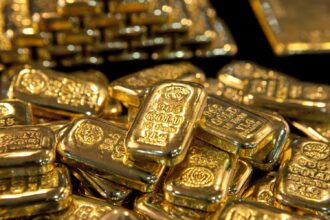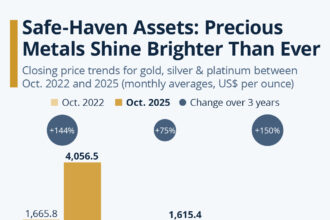
Brussels, January 2026 — Brussels Morning Newspaper — Financial markets across Europe, Asia, and North America are re-calibrating expectations after gold surged to unprecedented levels, placing the gold record price at the center of global economic discussion. The milestone, reached amid persistent inflation concerns, geopolitical uncertainty, and evolving central bank strategies, has elevated gold from a traditional hedge to a defining indicator of global confidence.
The move has dominated conversations in Brussels this week, where policymakers, economists, and market participants gathered to assess the implications of record-high precious metals pricing on currencies, trade, and long-term financial stability. The achievement of the gold record price is widely viewed not as a short-lived spike, but as a reflection of deeper structural pressures shaping the world economy in 2026.
A Turning Point in Modern Market History
The latest surge marks one of the most significant moments for precious metals in decades. Breaking through long-standing psychological barriers, gold’s rise has rewritten assumptions about valuation and risk tolerance. Traders noted heavy volumes across futures markets, while physical bullion demand accelerated in key hubs including London, Zurich, and Singapore.
For many observers, the gold record price represents a turning point comparable to past eras of financial stress, when investors sought refuge from volatility in tangible assets. Unlike previous rallies driven by isolated crises, the current move reflects a convergence of multiple global factors.
Inflation and the Search for Stability
Inflation remains a central driver behind the rally. Although headline inflation has eased in some economies, underlying price pressures persist, particularly in energy, housing, and food supply chains. These dynamics have eroded confidence in fiat currencies and reinforced gold’s appeal.
As purchasing power concerns linger, the gold record price has become a symbol of market anxiety and protection, reflecting widespread efforts to preserve value in an uncertain monetary environment.
Central Banks and Strategic Accumulation
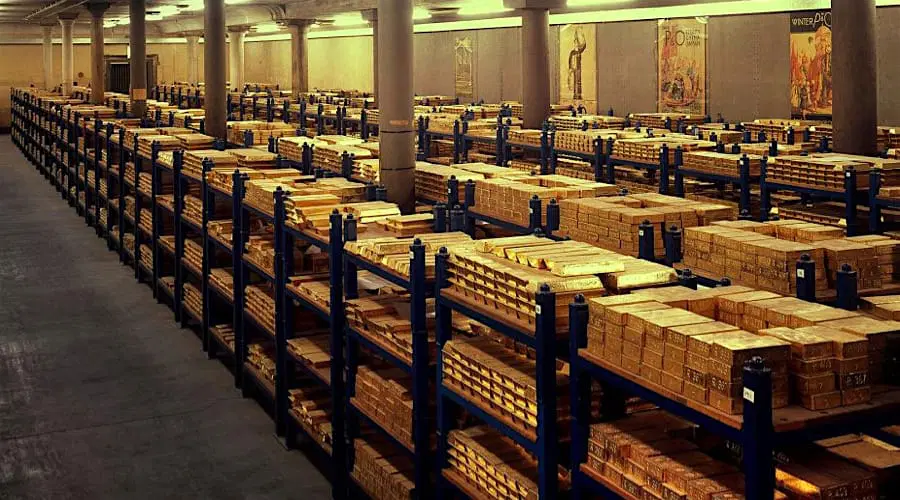
Central bank activity has provided a strong foundation for gold’s rise. Several monetary authorities have continued to add bullion to their reserves, seeking diversification away from traditional currency holdings. This steady accumulation has reduced available supply while signaling long-term institutional confidence.
Economists argue that official sector buying lends credibility to the gold record price, distinguishing it from speculative bubbles driven solely by short-term trading behavior.
Currency Dynamics and Global Demand
Foreign exchange movements have amplified the rally. A softer US dollar has increased gold’s affordability for international buyers, broadening demand across emerging and developed markets alike. Currency strategists note that this interaction has intensified momentum, drawing new participants into the market.
The relationship between exchange rates and the gold record price has underscored gold’s role as a truly global asset, responsive to shifts in monetary policy across borders.

Investor Behavior and Portfolio Shifts
Institutional investors have adjusted asset allocations in response to gold’s performance. Portfolio managers report increased exposure to commodities as a hedge against equity volatility and bond market uncertainty.
This strategic repositioning highlights how the gold record price is reshaping investment frameworks, prompting reassessment of diversification models long dominated by stocks and fixed income.
Retail Demand and Physical Markets
Beyond institutional flows, retail participation has surged. Dealers across Europe reported heightened interest in coins and small bars, reflecting growing public engagement with precious metals.
The breadth of participation reinforces confidence in the durability of the gold record price, suggesting that enthusiasm extends well beyond professional trading circles.
Volatility Risks and Market Discipline
Despite bullish sentiment, analysts caution that rapid gains can invite volatility. Profit-taking remains a possibility, particularly if economic data surprises or policy expectations shift abruptly.
Still, many strategists believe the gold record price establishes a higher baseline for future trading, even if short-term corrections occur.
Policy Perspectives from Brussels
Discussions among European officials in Brussels emphasized gold’s symbolic importance. Policymakers described its rise as an early warning signal of stress within the global financial system, reflecting unresolved structural challenges.
In this context, the gold record price is viewed less as an anomaly and more as a mirror of broader economic unease.
Global Trade and Developing Economies
Higher gold prices carry mixed implications for developing nations. Gold-exporting countries may benefit from increased revenues, while import-dependent economies face higher costs.
Balancing opportunity and risk has become more complex as the gold record price reshapes trade flows and fiscal planning across regions.
Technology and Market Access
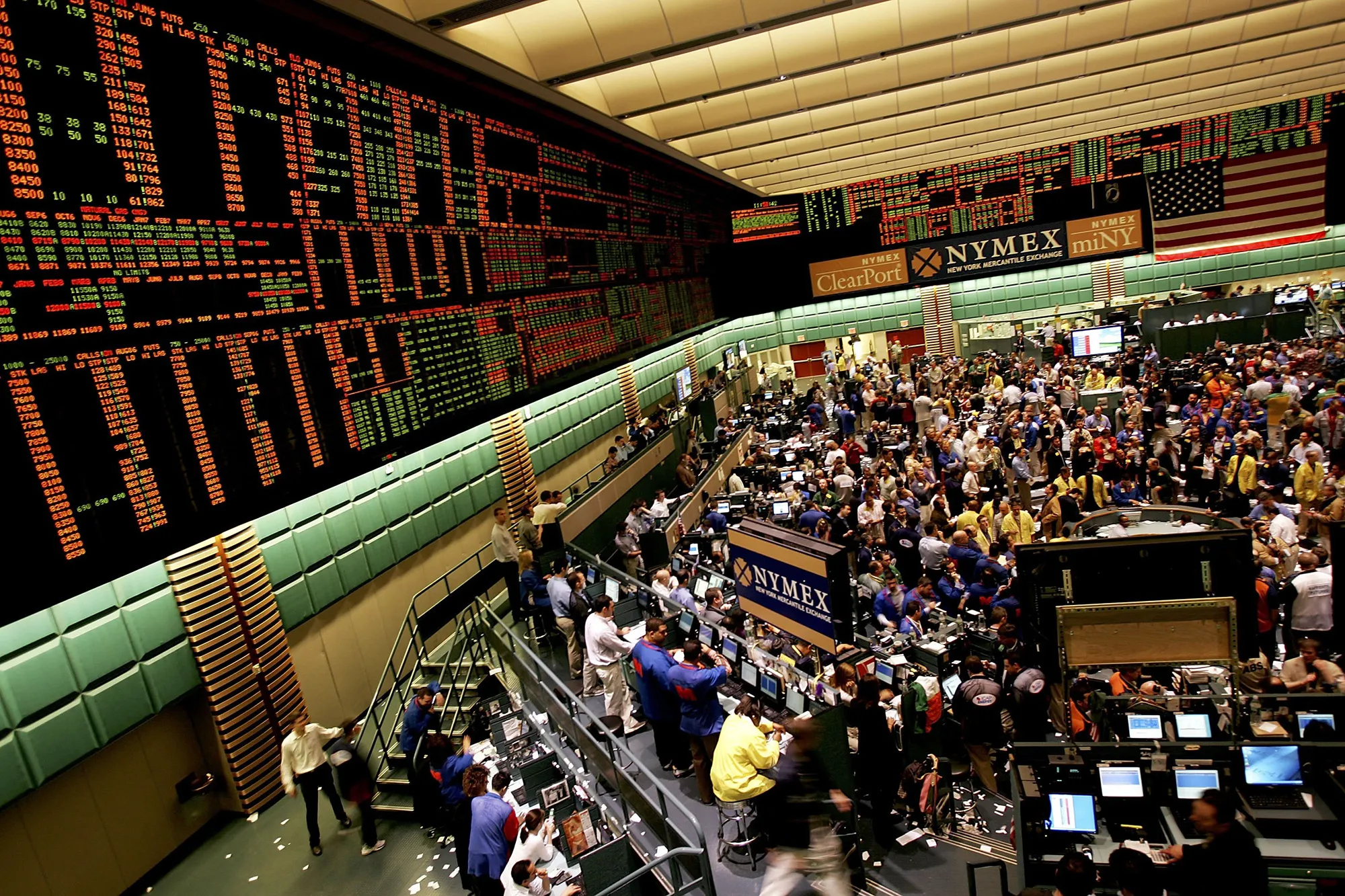
Advances in digital trading platforms have accelerated market reactions. Investors can now respond instantly to price movements, amplifying momentum during major rallies.
These technological factors contributed to the speed and scale with which the gold record price was established and transmitted globally.
Historical Context and Market Cycles
Gold has experienced cycles of appreciation and consolidation throughout history. Analysts caution against assuming uninterrupted gains, noting that past peaks were often followed by periods of adjustment.
However, supporters argue that the current gold record price differs from earlier cycles due to sustained institutional demand and prolonged global uncertainty.
A Single Voice from the Market
One senior commodities strategist remarked,
“Gold’s rise reflects a reassessment of trust in the global financial system rather than a fleeting rush to safety.”
The comment captured the prevailing mood across trading floors.
Long-Term Strategic Implications
Looking ahead, gold’s performance is expected to influence policy debates, reserve management, and investment strategies for years to come. Its renewed prominence challenges assumptions about the stability of existing financial architectures.
For many observers, the gold record price will serve as a reference point in future discussions about risk, resilience, and monetary reform.
Outlook for the Remainder of 2026
As 2026 progresses, attention will focus on inflation data, central bank guidance, and geopolitical developments. Each has the potential to reinforce or challenge current price levels.
If uncertainty persists, analysts believe the gold record price will remain a defining feature of global markets throughout the year.
A Defining Moment for Global Finance
The achievement of record-high gold prices marks a defining chapter in modern financial history. Driven by inflation fears, strategic buying, and shifting investor psychology, the rally reflects deeper transformations underway in the global economy.
Whether prices stabilize or extend further, the gold record price reached in 2026 is likely to be remembered as a moment that reshaped market behavior and economic debate worldwide.