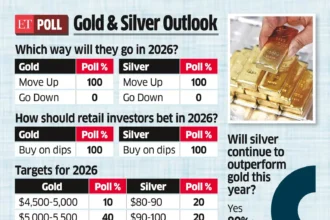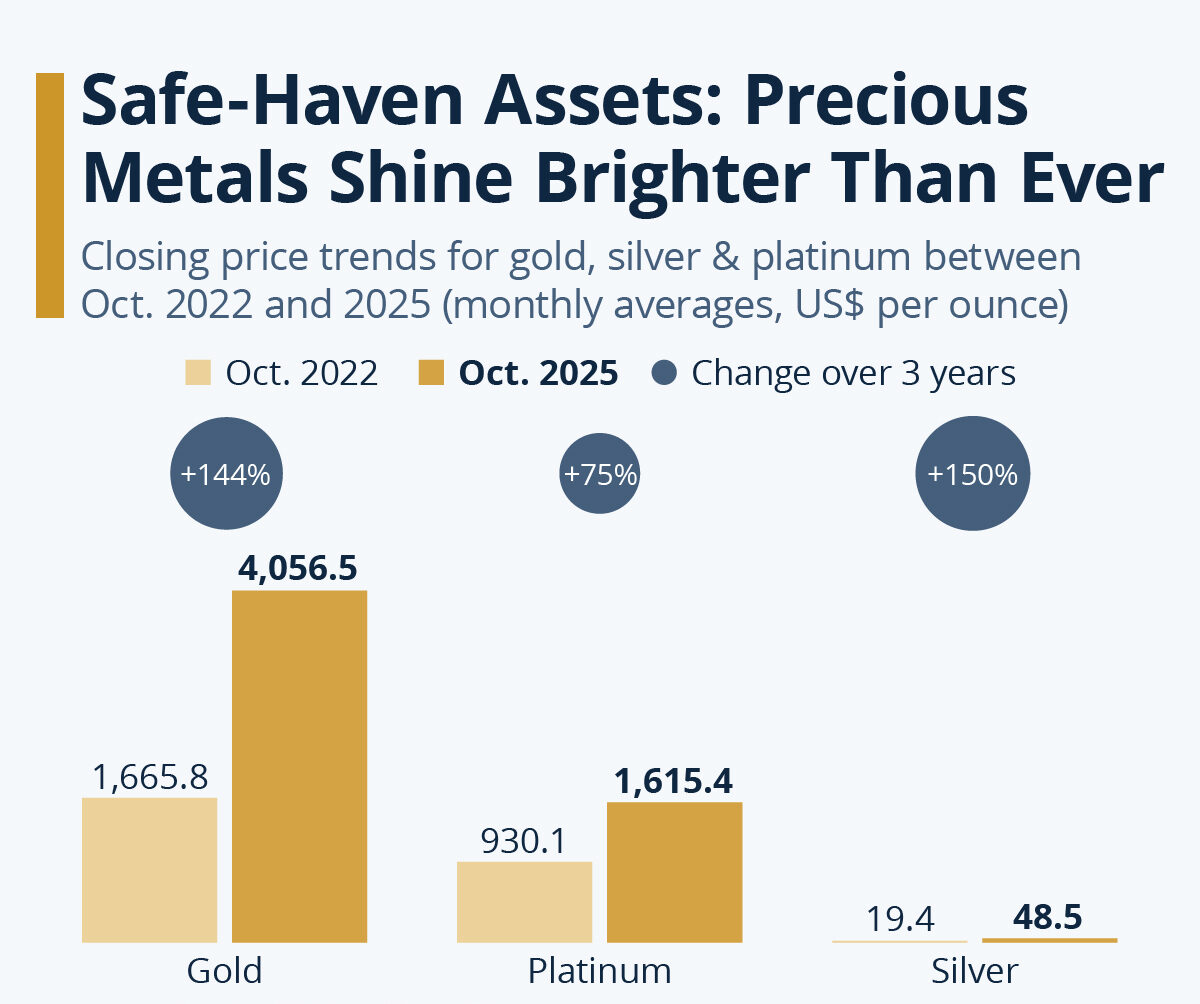
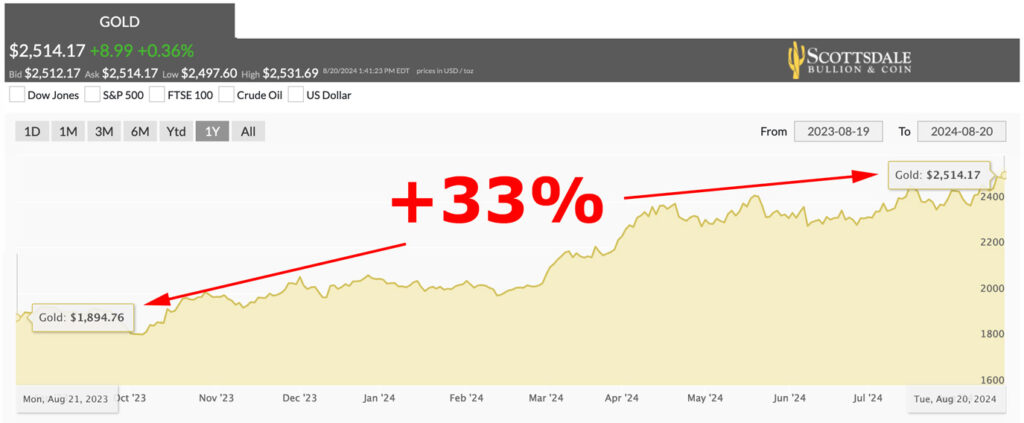
London, January 2026, Brussels Morning Newspaper — Financial markets across the world reacted sharply as gold prices record historic highs, marking a decisive shift in global investor sentiment. The surge unfolded during a period of heightened geopolitical unease, uneven economic signals, and renewed debate over long-term financial stability. From trading desks in London to bullion markets in Asia, the rally has reinforced gold’s enduring role as a refuge in times of uncertainty.
The price movement did not emerge in isolation. It reflected a convergence of political, economic, and psychological forces that have been building steadily through the first half of the year. For many market participants, the rally represents a reassessment of risk rather than a short-term speculative burst.
Why Investors Turned to Gold
Gold has historically attracted demand during periods of instability, and current conditions have proved no exception. Persistent geopolitical friction, concerns over fiscal sustainability, and uncertainty around interest-rate trajectories have encouraged investors to re-balance portfolios.
Market strategists observed that gold prices record territory was reached as confidence in traditional risk assets softened. Equity markets showed signs of fatigue, while bond markets grappled with mixed signals on inflation and growth. In this environment, gold’s lack of credit risk and long-standing store-of-value reputation regained prominence.
Central Banks and Strategic Reserves
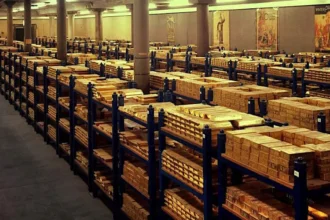
Central banks have quietly played a significant role in supporting the rally. Over recent years, many monetary authorities have increased gold holdings as part of broader reserve diversification strategies. These purchases have continued steadily, providing a firm base of demand.
As gold prices record new highs, analysts note that official-sector buying has helped dampen volatility while reinforcing the perception that gold remains a strategic asset rather than a relic of past monetary systems.
Impact on Global Equity Markets
The rally in gold coincided with uneven performance across equity markets. Defensive sectors outperformed cyclical industries, while technology stocks faced renewed pressure amid valuation concerns.
Portfolio managers said the moment when gold prices record levels were confirmed signaled a cautious turn in global asset allocation. Rather than abandoning equities altogether, investors appeared to be hedging exposure through increased holdings of precious metals.
Currency Movements and the Dollar
Currency dynamics also contributed to the rally. Periods of softness in major currencies made gold more attractive to international buyers, particularly in emerging markets.
When gold prices record highs align with currency volatility, the metal’s universal pricing and liquidity enhance its appeal as a cross-border hedge against monetary instability.
Inflation, Rates, and Policy Uncertainty
Although inflation has moderated in several economies, lingering concerns remain. Supply-chain adjustments, energy market volatility, and fiscal pressures continue to cloud the outlook.
Against this backdrop, gold prices record strength reflects skepticism about the durability of disinflation and uncertainty over how aggressively central banks may respond to future shocks.
Safe-Haven Psychology and Market Momentum
Investor psychology amplified the rally once technical resistance levels were breached. Momentum-based trading strategies and algorithmic systems accelerated buying activity.
Market technicians noted that episodes where gold prices record new highs often generate self-reinforcing demand, as trend-following investors enter positions alongside long-term holders.
Silver and Broader Precious Metals
Silver followed gold higher, though with greater volatility. Industrial demand linked to renewable energy and electronics added a secondary layer of support.
However, it was gold that dominated headlines as gold prices record milestones reshaped expectations across commodity markets and reinforced gold’s leadership role within the precious metals complex.
Geopolitical Undercurrents
Geopolitical developments provided a persistent undercurrent to the rally. Strategic disputes, diplomatic friction, and unresolved conflicts heightened global risk awareness.
Analysts said gold prices record advances often coincide with such periods, reflecting gold’s unique ability to absorb political risk that is difficult to price through traditional models.
One Market Perspective
One senior commodities analyst said,
“Gold’s rise reflects deep uncertainty rather than speculative excess, and that distinction explains why investors are willing to hold it at these levels.”
This single observation captures the prevailing tone across trading floors.
Supply Constraints and Structural Factors
On the supply side, mine production growth has remained modest. Environmental regulations, rising extraction costs, and limited new discoveries have constrained output expansion.
These structural factors have supported the environment in which gold prices record highs can be sustained rather than quickly reversed.

Emerging Market Demand
In emerging economies, household demand for physical gold has remained resilient. Cultural preferences and concerns about currency stability have underpinned steady buying.
This demand has contributed to conditions where gold prices record strength is reinforced by both institutional and retail participation.
Impact on Wealth Management Strategies
Wealth managers have adjusted portfolio strategies in response to the rally. Gold allocations are being increased as a hedge against tail risks rather than a speculative play.
The move toward gold as gold prices record levels are reached reflects a broader reassessment of diversification principles in a multi-polar economic landscape.
Market Volatility and Risk Management
Volatility across asset classes has underscored the value of diversification. Gold’s relatively low correlation with equities during stress periods has renewed interest among institutional investors.
As gold prices record new highs, risk managers view the metal as a stabilizing component within multi-asset portfolios.
Technology, Trading, and Accessibility
Advances in trading platforms and financial products have made gold more accessible than ever. Exchange-traded products and digital trading tools have lowered barriers to entry.
This accessibility has helped fuel participation during moments when gold prices record upward momentum attracts a wider investor base.
Global Economic Signals
Economic data released throughout the year has painted a mixed picture. Growth remains uneven, with some regions expanding while others face stagnation.
Against this uncertain backdrop, gold prices record highs serve as a barometer of global confidence, signaling caution rather than exuberance.
Potential for Profit-Taking
Despite strong fundamentals, some analysts warn of short-term corrections. Sharp rallies can invite profit-taking, particularly if geopolitical tensions ease or policy clarity improves.
Even so, historical patterns suggest that after gold prices record milestones are reached, long-term support levels often remain higher than before.
Long-Term Outlook
Looking ahead, most analysts expect gold to remain sensitive to political developments, monetary policy shifts, and inflation dynamics. Structural demand from central banks and investors provides a durable foundation.
Whether prices consolidate or advance further, the phase defined by gold prices record levels in 2026 is likely to influence market behavior for years to come.
Global Confidence and Financial Stability
Beyond markets, gold’s rise carries symbolic weight. Sustained demand suggests lingering concern about financial stability and institutional resilience.
In this sense, gold prices record highs are not merely a commodity story but a reflection of broader global uncertainty.
When Gold Becomes the World’s Economic Signal
The rally has reaffirmed gold’s role as a signal rather than just an asset. Governments, institutions, and individuals alike are responding to the same message of caution.
As 2026 unfolds, the period marked by gold prices record highs may be remembered as a defining chapter in how global markets price risk, resilience, and trust.