BERLIN, Germany, June 12 – Brussels Morning Newspaper — German industrial production remains under close scrutiny as Europe’s largest economy continues a gradual recovery while businesses grapple with elevated energy costs and challenging market conditions. Recent economic data suggests signs of stabilization across parts of the manufacturing sector, but economists say the pace of improvement remains slower than many companies had anticipated.
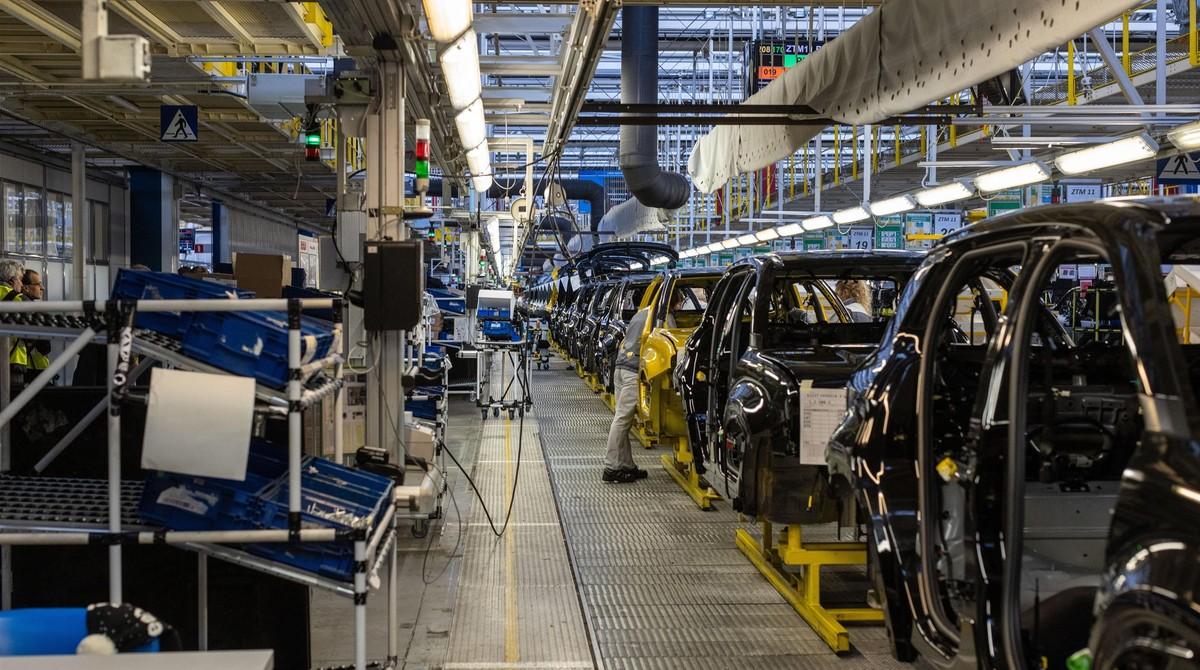
Germany’s industrial base has long been considered a cornerstone of both the national and European economies. Key sectors including automotive manufacturing, machinery, chemicals, and engineering continue to play a critical role in exports, employment, and overall economic performance. However, rising energy expenses have weighed heavily on production costs in recent years, reducing competitiveness for some manufacturers and influencing investment decisions.
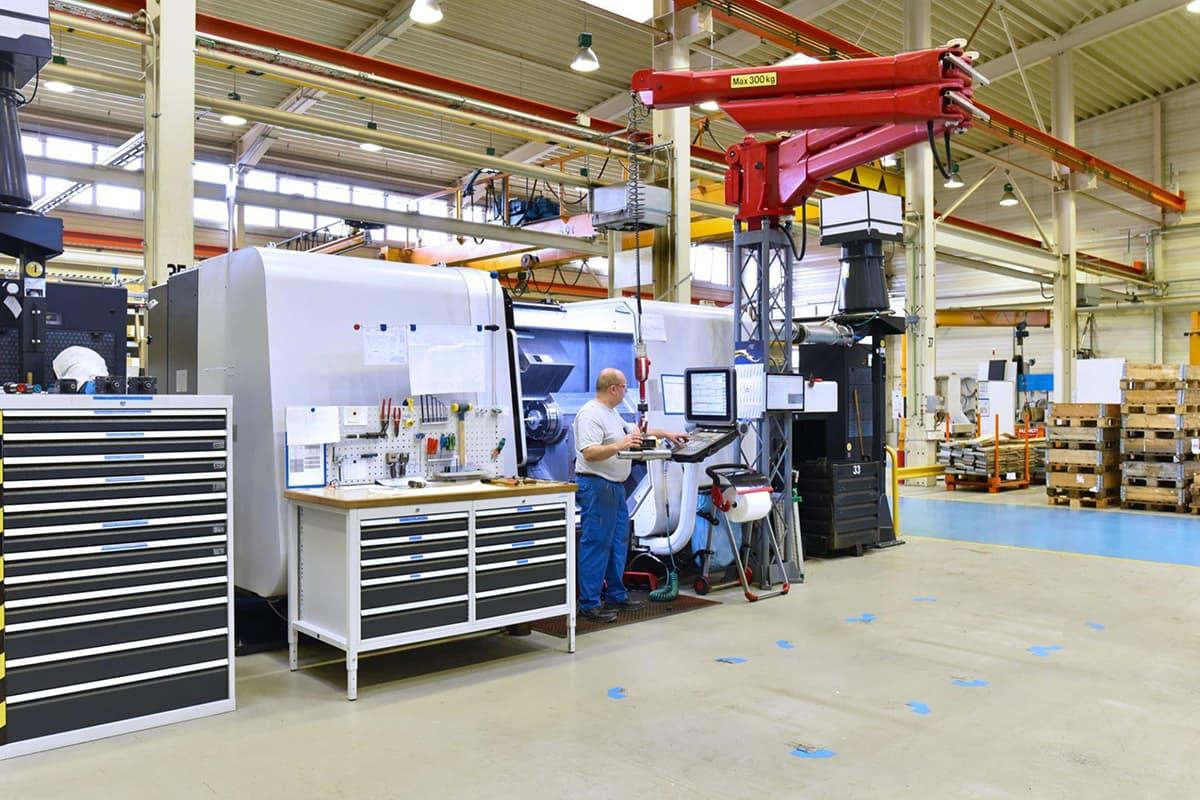
Businesses have responded by implementing efficiency measures, upgrading equipment, and exploring alternative energy sources to reduce operating expenses. While these efforts have helped some companies adapt, many industrial firms continue to face pressure from higher input costs and uncertain demand conditions.
Recent indicators point to modest improvements in manufacturing activity compared with previous periods. Analysts note that supply chain conditions have become more stable and business confidence has improved slightly, creating a more favorable environment for production. Even so, growth remains uneven across industries, with some sectors recovering faster than others.
Energy-intensive manufacturers continue facing particular challenges. Industries that rely heavily on electricity and fuel have been among the most affected by price volatility, prompting some companies to reassess expansion plans and operational strategies. Policymakers and industry groups have repeatedly emphasized the importance of maintaining affordable and reliable energy supplies to support long-term competitiveness.
An economic analyst monitoring European manufacturing trends said,
“The resilience of Germany’s industrial sector remains evident, but sustained recovery will depend on stable energy costs and stronger business investment.”
Consumer demand and export activity are also important factors influencing industrial output. Germany’s economy is highly dependent on international trade, and fluctuations in global demand can have a significant impact on production levels. As economic conditions improve in key export markets, manufacturers may benefit from stronger order volumes and increased business activity.
The government continues to support initiatives aimed at strengthening energy security and accelerating investments in renewable energy infrastructure. Officials argue that expanding domestic energy capacity and improving efficiency could help reduce long-term costs for businesses while supporting broader economic growth objectives.
Investors and economists are closely watching upcoming industrial production reports for additional evidence that recovery momentum is building. Stronger manufacturing activity could provide a boost to overall economic performance and reinforce confidence among businesses considering new investments.
Despite ongoing challenges, Germany retains significant strengths, including advanced manufacturing capabilities, a highly skilled workforce, and a strong export network. These advantages continue to provide a foundation for recovery even as companies navigate a more complex economic environment.