Brussels, 3 October, (Brussels Morning Newspaper) – G7 leaders have agreed an emergency G7 oil release totalling 100 million barrels through the International Energy Agency (IEA), launching a coordinated effort to ease pressure on global fuel markets and strengthen energy security. The stocks will be released over four months, with substantial diesel supplies frontloaded during the first 20 days.
G7 launches coordinated emergency energy action
The agreement followed a virtual G7 leaders’ meeting on 2 October as governments confronted continued volatility across international energy markets.
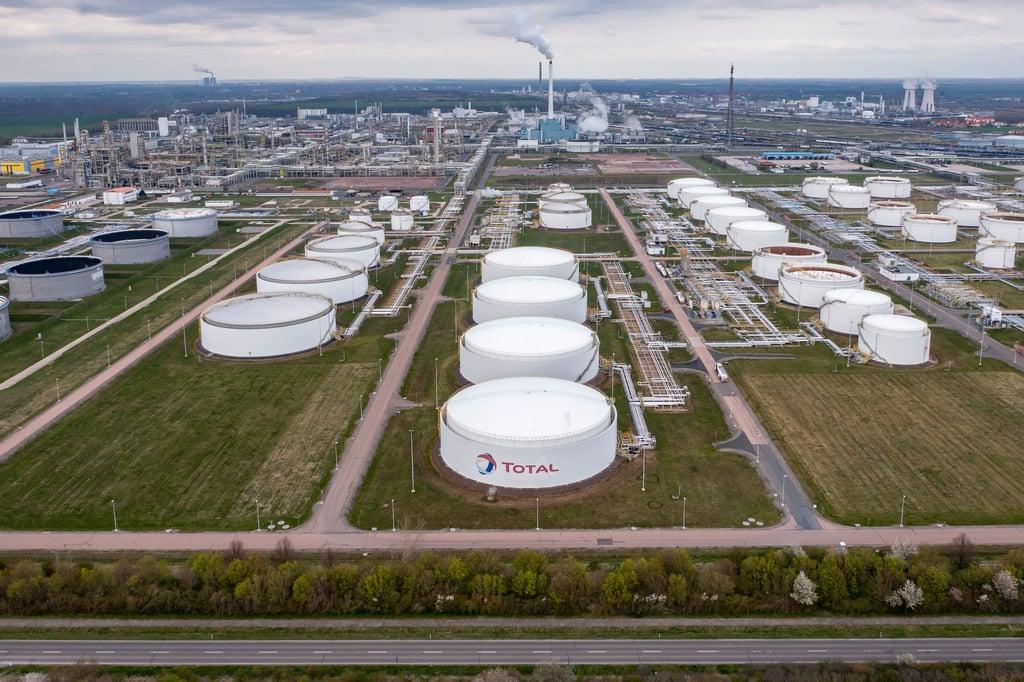
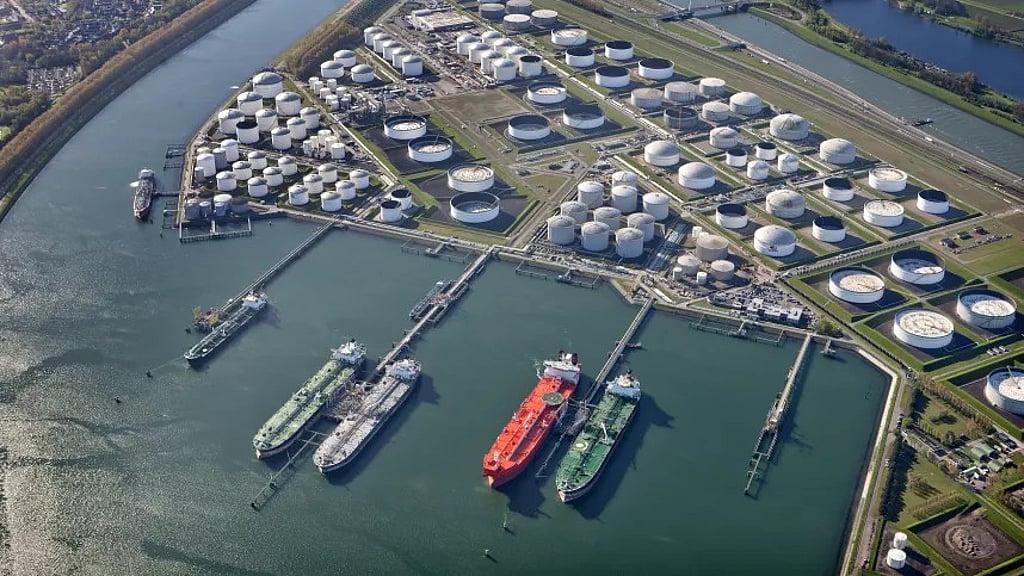
According to the official G7 statement published by the European Council, the 100 million-barrel action will involve emergency stocks coordinated through the IEA. The total takes into account commitments already fulfilled under an earlier emergency action agreed in March.
The G7 did not publish a detailed country-by-country allocation in its statement. It also did not specify precisely how much of the overall release would consist of crude oil, diesel or other petroleum products.
However, leaders placed particular emphasis on diesel availability. A substantial diesel release involving G7 countries and partners is expected during the first 20 days.
Diesel supplies become central to G7 strategy
Diesel shortages and higher prices can have consequences extending well beyond motorists. The fuel remains important for road freight, agriculture, construction and industrial activity, making its availability significant for European supply chains and inflation pressures.
The G7 also agreed to coordinate refinery maintenance schedules in an attempt to prevent simultaneous shutdowns from tightening supplies further.
Governments said they would seek temporarily higher refinery utilisation where feasible and encourage countries with significant refining capacity to increase production, particularly of diesel.
Reuters reported that US President Donald Trump had pressed European governments to release emergency diesel reserves, while Washington had raised the possibility of restrictions on US diesel exports. Trump subsequently said the United States would not impose an export ban.
G7 pledges to keep energy trade moving
The G7 oil release forms part of a broader package designed to reduce disruption across energy markets.
In their official statement, G7 leaders said: “We reaffirm our commitment to refrain from export restrictions on energy and energy products between G7 countries.”
Leaders also called on other energy-producing countries to avoid measures that could further disrupt international supplies.
The announcement came amid continuing concern over maritime trade and energy shipments through the Strait of Hormuz. G7 governments called for navigational rights through the strategically important waterway to be fully restored.
Why the decision matters for Europe
For the European Union, the intervention matters because changes in global crude and refined-product prices can quickly affect transport costs, businesses and consumers.
Reuters reported that US diesel futures fell 3.25% to $4.49 a gallon as details of the planned intervention emerged, while benchmark European diesel futures declined about 5.75%.
Emergency reserves can add supply during disruption, but their longer-term impact depends on market conditions, refinery capacity and the restoration of stable commercial energy flows.
The latest intervention also follows a much larger IEA-coordinated emergency action announced in March involving 400 million barrels of oil stocks.
What happens after the G7 oil release?
The IEA has been asked to monitor implementation and assess how the measures affect energy security and market stability.
A report is expected within 20 days and should include recommendations covering possible future emergency action and the replenishment of strategic stocks. G7 members are also expected to hold further discussions through the IEA on whether additional diesel releases are required.
The immediate priority is implementation. The scale and speed of deliveries, refinery operations and conditions affecting international energy trade will determine how strongly the emergency action influences fuel availability and prices in Europe and other major markets.