Paris (Brussels Morning Newspaper) January 14, 2026 – The French government announced fresh concessions to farmers protesting low incomes and EU trade deals. Agriculture Minister Annie Genevard detailed €300 million in aid for the cereal, wine, and livestock sectors. Measures come ahead of the Salon International de l’Agriculture amid tractor blockades in Paris.
- Details of Government Concessions for Struggling Sectors
- Timeline and Routes of Paris Tractor Protests
- Key Grievances Raised by FNSEA and Young Farmers
- Background on EU-Mercosur Trade Agreement Approval
- History of French Farmers’ Protest Movements
- Government Response Strategy and Political Pressure
- Economic Pressures Facing French Agriculture
- Regional Impacts and Cross-Border Dimensions
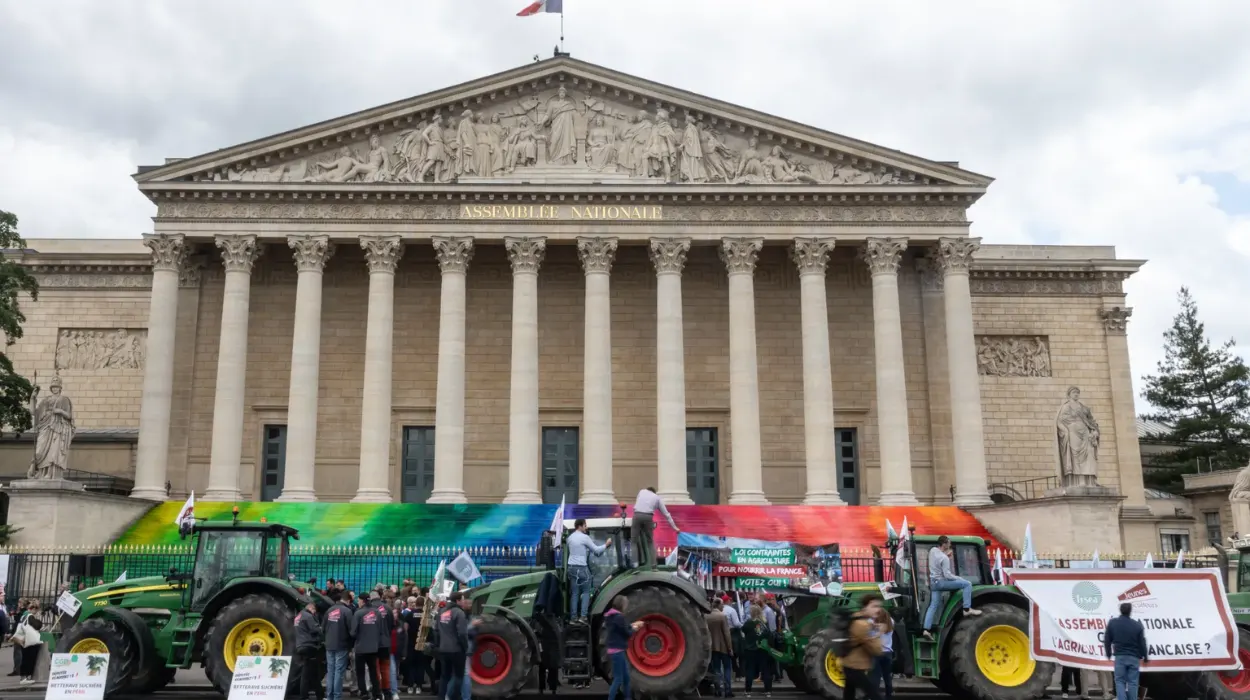
French farmers drove 350 tractors into central Paris on January 13, protesting the EU-Mercosur trade agreement and domestic grievances. The FNSEA union and Young Farmers coordinated the convoy from Porte Dauphine to the Champs-Élysées and the National Assembly. Demonstrators highlighted unfair competition from South American imports.
Agriculture Minister Annie Genevard acknowledged farmers’ “deep anger” and “legitimate demands” on January 12. She unveiled €300 million in immediate support, dependent on 2026 budget adoption. Protests persisted despite the package, with unions demanding concrete food security actions.
Details of Government Concessions for Struggling Sectors
The €300 million package targets cereal growers facing volatile prices. Funds cover input cost increases for seeds, fertilisers, and machinery. Wine producers receive subsidies for overproduction and export market losses.
Livestock farmers gain relief from feed and veterinary expense hikes. Measures include direct payments and loan guarantees. Minister Genevard linked aid to sustainable transition support.
Package implementation requires parliamentary budget approval. Government pledged regulatory simplification for administrative burdens. Pesticide reduction suspensions feature in short-term relief.
Timeline and Routes of Paris Tractor Protests
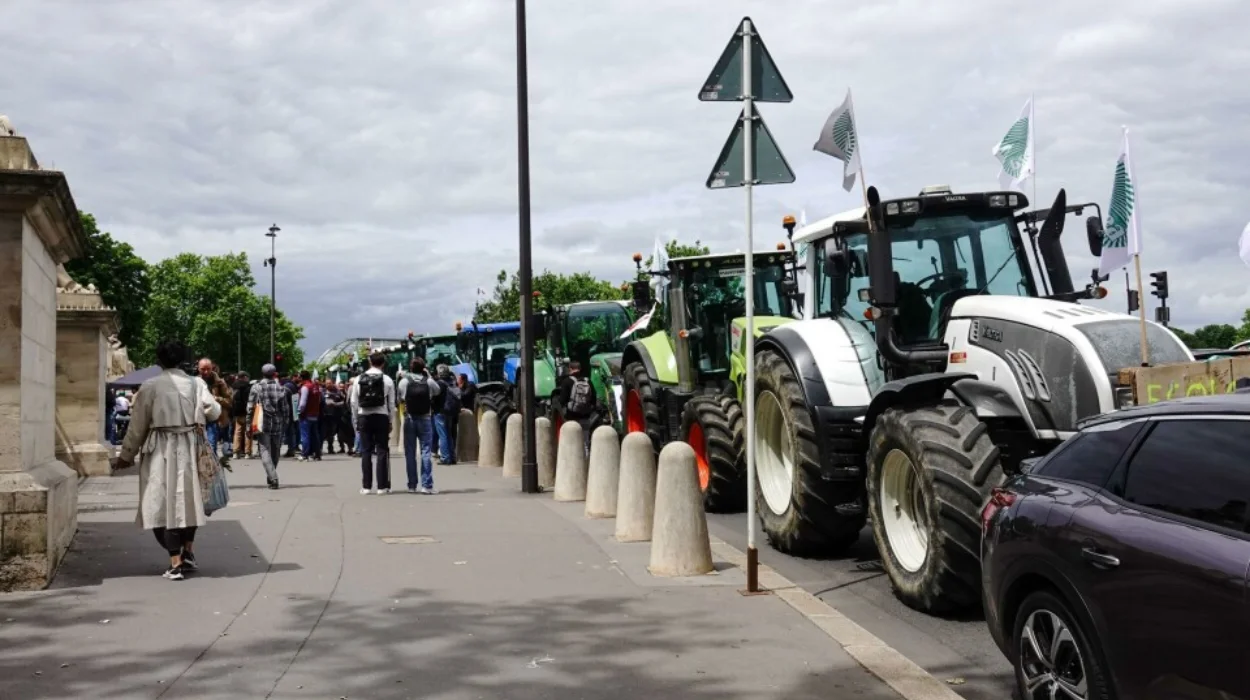
Tractors entered Paris at 6 a.m. on January 13 via Porte Dauphine under police escort. Convoy proceeded along Avenue Foch to Arc de Triomphe, then the Champs-Élysées. Crossed Seine to National Assembly, disrupting rush-hour traffic.
FNSEA President Damien Greffin addressed crowds outside Parliament. Second protest occurred January 10 with Coordination Rurale blocking Eiffel Tower vicinity. Strasbourg European Parliament demonstration planned for January 20.
Police managed perimeters without reported clashes. Demonstrators conducted symbolic import checks at ports. Oil depot blockades affected fuel supplies regionally.
Key Grievances Raised by FNSEA and Young Farmers
Farmers oppose EU-Mercosur deal approved January 8 despite French abstention. Agreement opens markets to hormone-treated meat and deforestation-linked products. Unions argue it erodes food sovereignty standards.
Low incomes stem from unstable market prices and rising costs. Environmental regulations impose nitrogen and pesticide limits without sufficient aid. CAP subsidy distribution favours large operations over family farms.
Fabrice Moulin, cereal farmer from Eure, called for profession viability. Baptiste Zado from Yvelines prioritised French livestock over Brazilian imports.
Background on EU-Mercosur Trade Agreement Approval
EU states endorsed Mercosur pact January 8 after 25 years of talks. Deal creates free trade area with Argentina, Brazil, Uruguay, Paraguay. France, Ireland, Austria voted against; Poland abstained.
Final signing scheduled for January 17 in Paraguay. Pact eliminates 91 per cent tariffs on EU exports worth €120 billion annually. Agricultural safeguards include quotas on beef, poultry imports.
French opposition cited environmental and sanitary risks. Mercosur farmers face fewer regulations, enabling lower prices. EU Commission defends pact as growth opportunity.
History of French Farmers’ Protest Movements
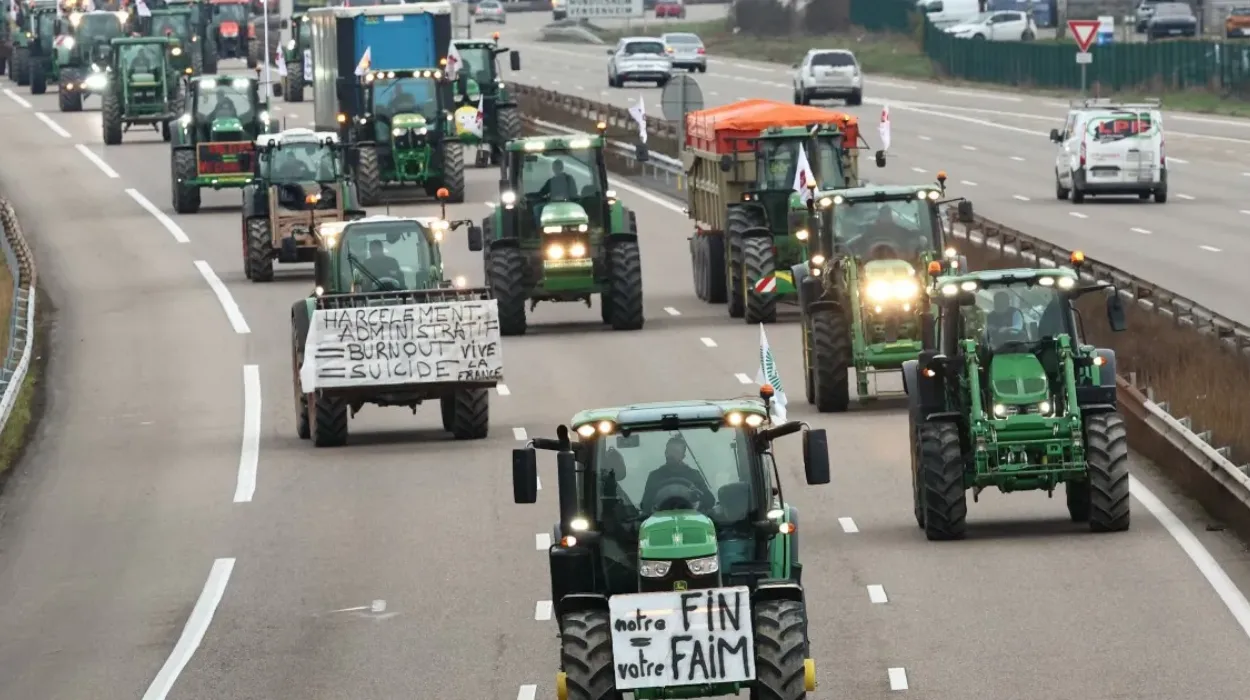
French agriculture saw major mobilisations in 2024 with nationwide blockades. Government suspended pesticide taxes and offered winemaker aid ahead of Salon de l’Agriculture. Protesters stormed Paris fair targeting President Macron.
2026 protests revived over Mercosur and CAP shortfalls. Tractor convoys echo tactics from 2019-2020 pensions disputes. Unions leverage Salon timing for visibility.
FNSEA coordinates 180,000 members as largest union. Coordination Rurale represents 15,000 independent producers. Strategic Paris actions amplify rural voices.
Government Response Strategy and Political Pressure
Prime Minister François Bayrou convened unions post-protests. No-confidence motions filed against Agriculture Minister over Mercosur handling. Left-wing parties back farmers’ economic security demands.
€300 million supplements 2025 emergency funds. Modernisation programmes offer advisory services for eco-practices. Bureaucratic cuts target 20% paperwork reduction.
Salon International de l’Agriculture opens February 21 at Paris Expo Porte de Versailles. Event expects 600,000 visitors, 4,000 animals. Organisers express solidarity with producers.
Economic Pressures Facing French Agriculture
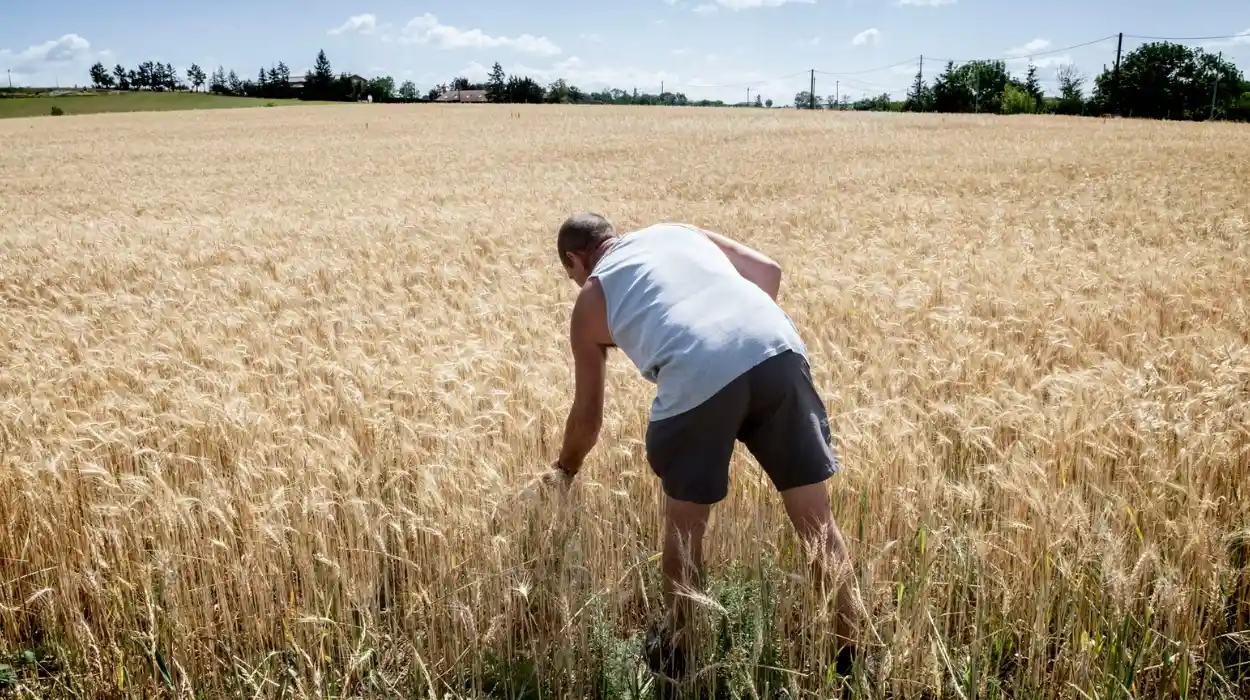
France produces €80 billion annually as EU’s top agricultural nation. Cereal output leads Europe; wine sector claims 17 per cent global market. Livestock faces feed price surges from Ukraine war disruptions.
Input costs rose 30 per cent since 2022. EU Green Deal regulations mandate 50 per cent pesticide cuts by 2030. Small farms struggle with compliance versus agribusiness scale.
CAP 2023-2027 allocates €387 billion EU-wide. French share totals €82 billion, prioritising young farmers and organics. Unions demand equitable redistribution.
Regional Impacts and Cross-Border Dimensions
Paris blockades disrupted Île-de-France logistics. Port checks targeted Mercosur goods at Le Havre, Marseille. Regional prefects activated crisis cells for fuel rationing.
Dutch, Polish farmers voiced Mercosur solidarity. Belgian unions planned Brussels tractor parade. EU agriculture ministers meet January 27 on trade fallout. Salon features 400,000 m² exhibits. Foreign delegations attend despite tensions. French pavilion showcases sustainable innovations amid protests.