Moscow, July 17 Brussels Morning Newspaper — Food supply chain concerns are increasing after fuel shortages and continued security risks around the Azov Sea created new challenges for Russian farmers during the summer harvest. Diesel availability has tightened in several farming regions while transportation routes linked to southern export terminals remain under pressure, making it more difficult to move grain efficiently.
Harvest Logistics Face New Obstacles
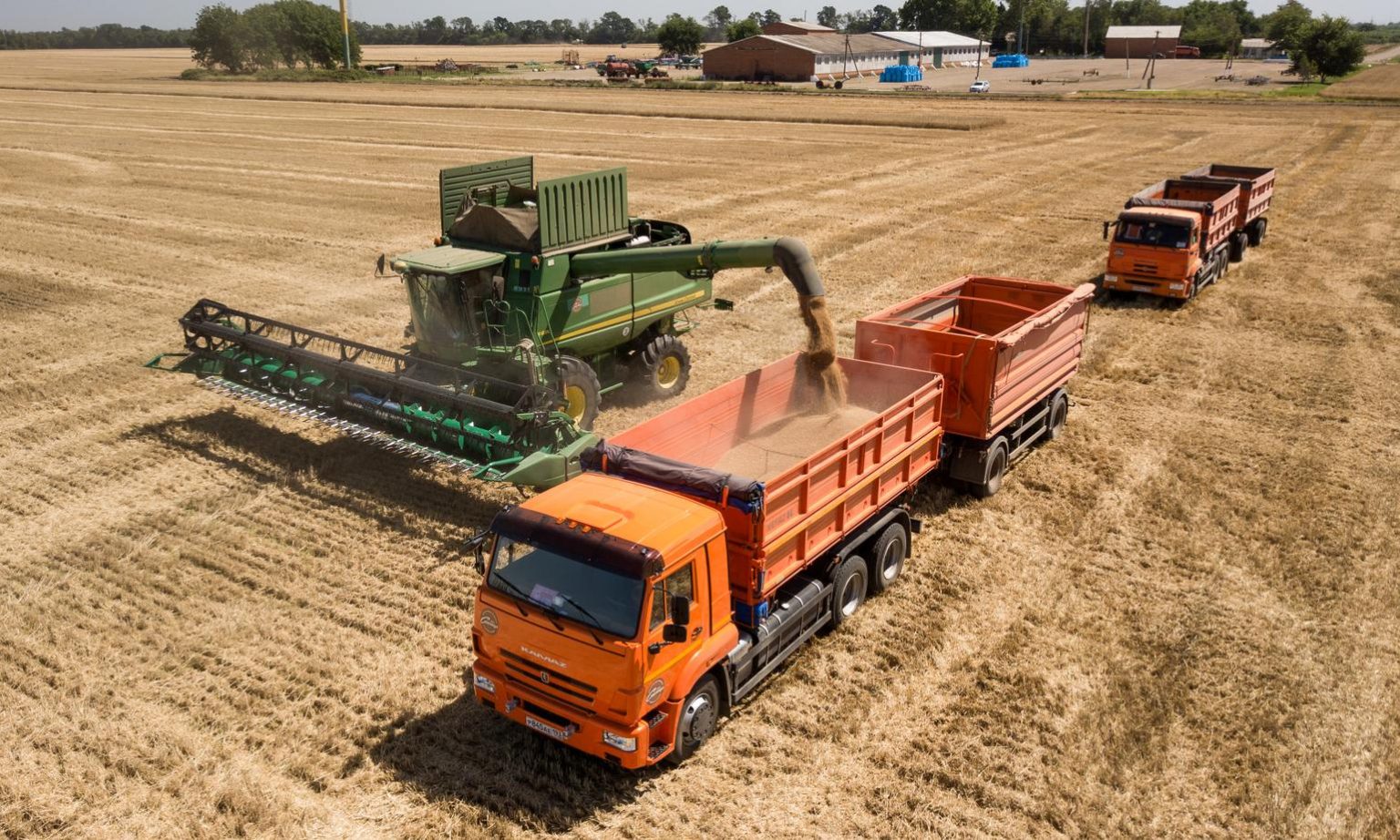
Russian agriculture depends heavily on diesel-powered machinery for harvesting and transporting crops. Any disruption in fuel supplies can delay field work and increase operating costs. At the same time, security concerns around the Azov Sea have complicated logistics for exporters moving grain to international buyers.
Russia remains one of the world’s largest wheat exporters, making harvest progress closely watched by global commodity markets and food-importing nations.
Fuel Costs Add Pressure to Food Supply Chain
Higher fuel prices and transportation costs are increasing expenses for farmers and grain exporters. Logistics companies are also adjusting delivery schedules as they navigate changing transport conditions. Industry analysts say these challenges could slow shipments if disruptions continue through the harvest season.
Although alternative export routes remain available, additional transportation costs could reduce efficiency across the agricultural sector.
Global Markets Watch Russian Grain Exports
International grain buyers are monitoring Russian export activity because of the country’s significant role in supplying wheat, barley, and other agricultural products. Any prolonged disruption could influence shipping schedules and add uncertainty to agricultural trade.
Officials and market participants are expected to continue tracking fuel availability, harvest progress, and export volumes over the coming weeks as the harvest season advances.