The future direction of Ukraine is increasingly defined by one central objective: European integration Ukraine. As the country continues to face the realities of war, recovery, and reform, integration with Europe has become more than a diplomatic goal. It is now a national strategy tied directly to security, economic revival, governance reform, and long term stability.
For Ukraine, European integration is not simply about joining institutions. It represents a comprehensive transformation that touches every sector of society, from defense and infrastructure to justice, energy, and social policy. Supporters argue that European integration Ukraine offers the clearest pathway toward a resilient and sovereign future anchored in European norms.
What European Integration Means for Ukraine
At its core, European integration Ukraine refers to the process of aligning the country’s political, legal, and economic systems with those of the European Union. This includes adopting EU laws, standards, and practices while strengthening democratic institutions and market competitiveness.
Integration is gradual and demanding. It requires legislative alignment, regulatory reform, and institutional capacity building. Ukrainian leaders emphasize that these changes are not imposed from outside but are necessary for building a transparent and accountable state.
The integration process also signals a strategic choice about Ukraine’s identity and future orientation.
Security as the Foundation of Integration
Security remains the foundation upon which European integration Ukraine rests. Without credible security arrangements, economic recovery and reform efforts face constant risk. European integration is therefore closely linked to defense cooperation, military assistance, and long term deterrence strategies.
European partners increasingly view Ukraine’s security as interconnected with broader regional stability. Strengthening Ukraine’s defense capabilities contributes to protecting European borders and reinforcing collective security frameworks.
For Kyiv, integration into European security structures complements domestic defense modernization and reinforces sovereignty.
Reconstruction and Economic Transformation
Reconstruction is one of the most visible dimensions of European integration Ukraine. Years of conflict have damaged infrastructure, housing, and industrial capacity, making rebuilding a national priority.
European aligned reconstruction emphasizes transparency, sustainability, and efficiency. Projects focus not only on restoring what was lost but on modernizing systems to meet European standards. Transportation networks, energy grids, digital services, and public facilities are being redesigned with long term resilience in mind.
Economic transformation under integration aims to attract investment, stimulate innovation, and reduce corruption through rule based governance.
Legal and Judicial Reform
Judicial reform is a cornerstone of European integration Ukraine. Independent courts, fair enforcement of laws, and protection of property rights are essential requirements for EU alignment.
Reforming the judiciary strengthens public trust and improves the business environment. European institutions consistently stress that credible justice systems are fundamental to integration and economic growth.
Ukrainian authorities acknowledge that judicial reform is challenging but essential for sustained progress and international confidence.
Anti Corruption Measures and Governance
Anti corruption efforts sit at the heart of European integration Ukraine. Transparent public procurement, accountable institutions, and independent oversight bodies are critical benchmarks in the integration process.
European partners closely monitor reform progress and link financial support to measurable outcomes. For Ukraine, these reforms address long standing public demands while unlocking access to European funding and markets.
Governance reform is increasingly framed as a national interest rather than an external obligation.
Energy Security and European Alignment
Energy security plays a strategic role in European integration Ukraine. Aligning with European energy markets reduces dependency risks and enhances resilience.
Modernization of energy infrastructure, expansion of renewables, and regulatory alignment with European energy rules are key priorities. These efforts strengthen economic stability while supporting environmental and climate goals shared across Europe.
Energy integration also positions Ukraine as a contributor to European energy security rather than a vulnerability.
Social Policy and Human Capital
Beyond infrastructure and law, European integration Ukraine also reshapes social policy. Education reform, healthcare modernization, and labor protections are central to alignment with European standards.
Investment in human capital supports long term growth and social cohesion. Education systems are being updated to meet European qualifications frameworks, while healthcare reforms aim to improve access and efficiency.
European integration emphasizes inclusive development that benefits citizens across regions and communities.
Trade and Market Access
Trade integration is a major economic driver of European integration Ukraine. Access to European markets offers opportunities for exports, industrial cooperation, and technological advancement.
Aligning product standards, customs procedures, and competition rules enhances Ukraine’s position within European supply chains. Businesses benefit from clearer regulations and expanded consumer markets.
Trade integration supports job creation and strengthens Ukraine’s role in the European economy.
Political Reform and Democratic Institutions
Strong democratic institutions are fundamental to European integration Ukraine. Electoral integrity, free media, and civic participation remain core values underpinning integration.
European alignment reinforces democratic norms and provides institutional support during periods of stress. Political reform strengthens legitimacy and public trust in governance.
For many Ukrainians, European integration symbolizes a commitment to democratic principles and accountability.
Public Support and National Identity
Public support has been a powerful driver of European integration Ukraine. Surveys consistently show strong backing for European alignment across demographic groups.
Integration is increasingly seen as part of Ukraine’s national identity rather than a policy choice. Citizens associate European integration with opportunity, dignity, and rule of law.
This public mandate provides momentum for reforms despite challenges and setbacks.
Challenges on the Integration Path
Despite progress, European integration Ukraine faces obstacles. Reform fatigue, administrative capacity limits, and the ongoing conflict complicate implementation.
European enlargement processes are complex and time consuming, requiring patience and consistency. Ukrainian leaders stress that integration is a marathon rather than a sprint.
Managing expectations while maintaining reform momentum remains a critical balancing act.
European Union Perspective
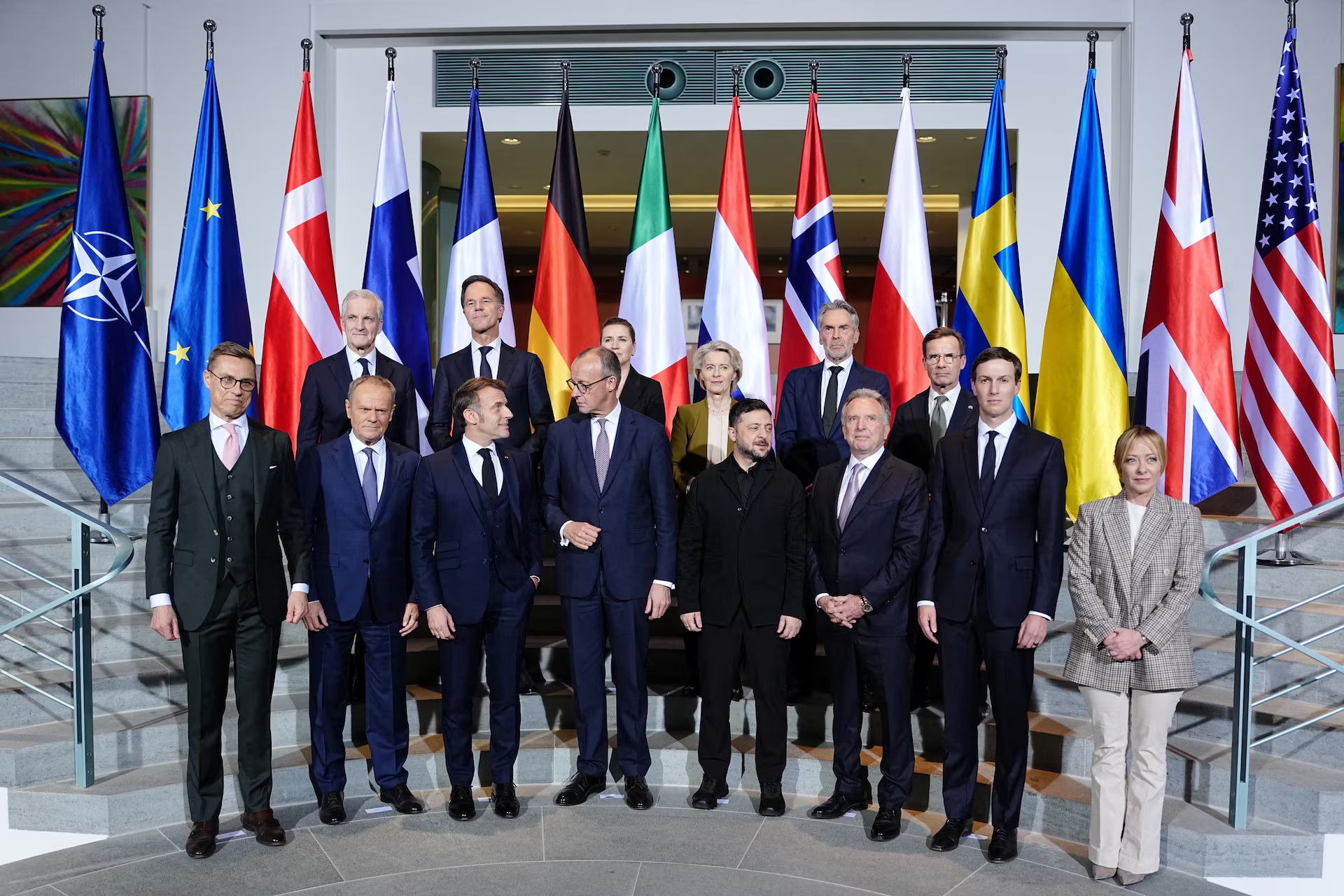
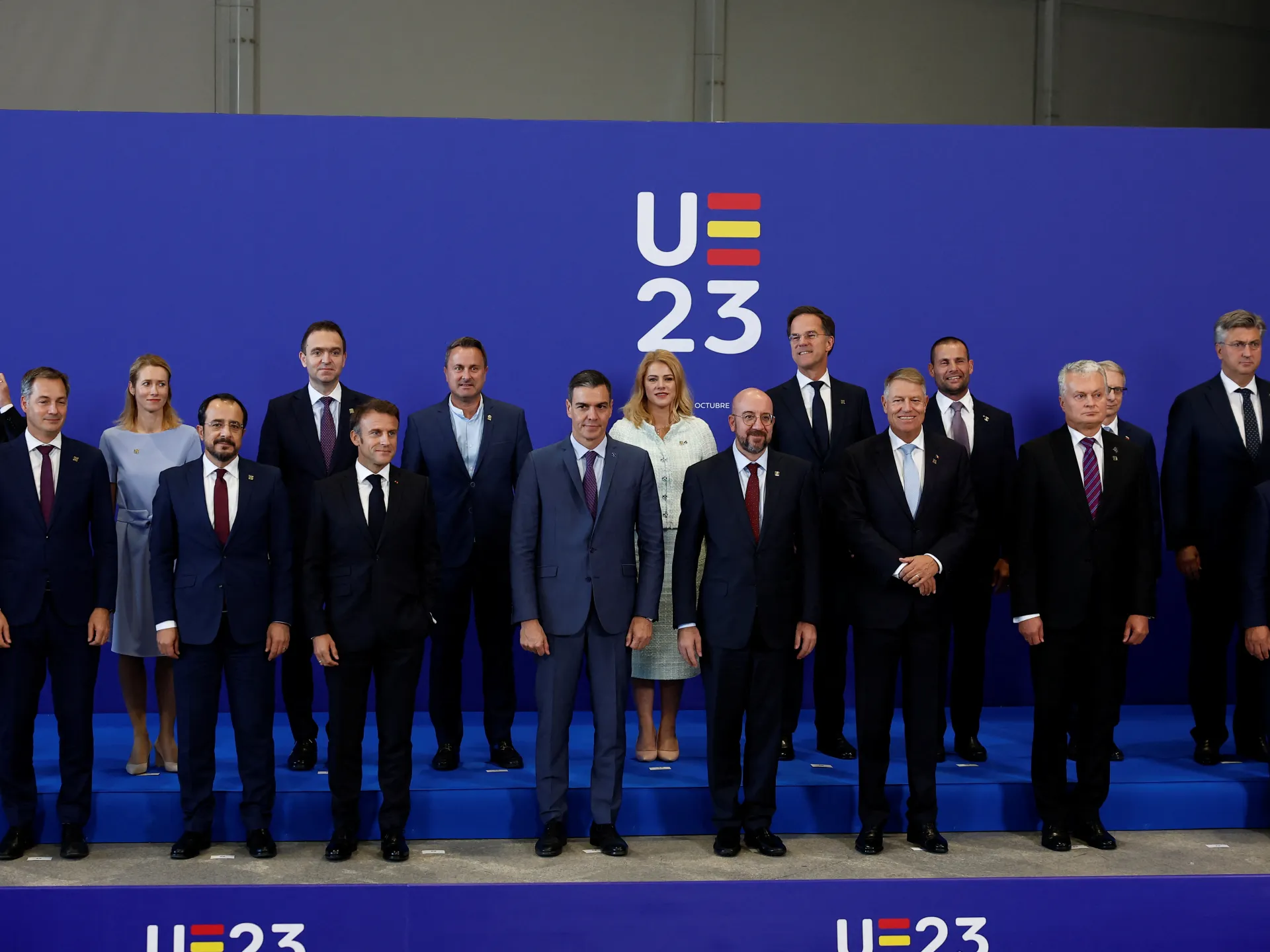
From the European perspective, European integration Ukraine represents both an opportunity and a responsibility. A stable, democratic Ukraine strengthens European security and economic networks.
European leaders increasingly frame integration as a strategic investment in continental stability. Support for Ukraine’s reforms reflects broader commitments to European values and unity.
Coordination among EU institutions and member states is essential for sustaining progress.
International Coordination and Support
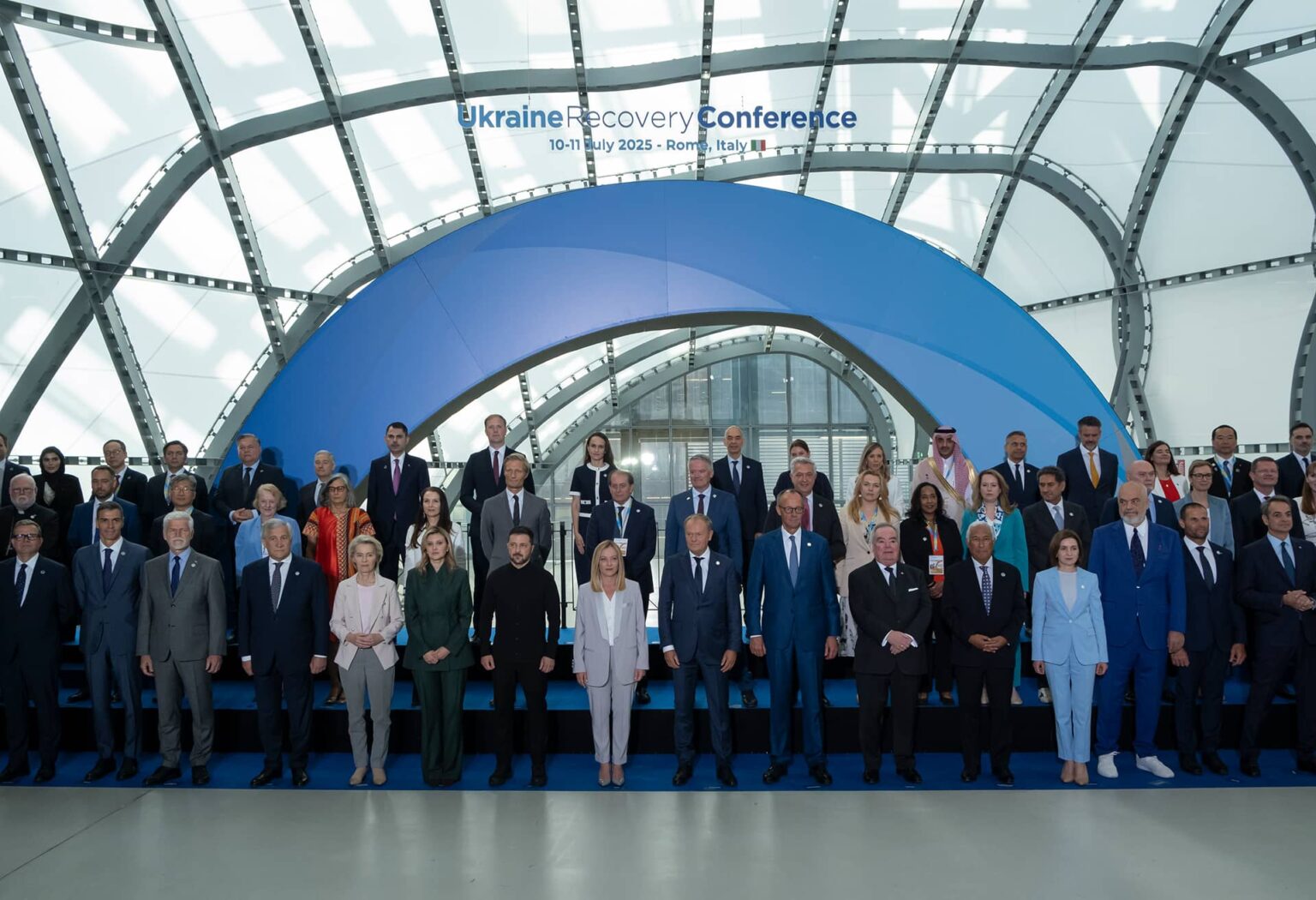
International coordination underpins European integration Ukraine. Multiple governments, financial institutions, and organizations contribute to reform and reconstruction efforts.
Oversight mechanisms ensure accountability and alignment with European standards. Coordination reduces duplication and maximizes the impact of assistance.
Effective partnership management is crucial for long term success.
Long Term Vision for Ukraine
The long term vision of European integration Ukraine extends beyond membership status. It envisions a modern, resilient state embedded within European political and economic systems.
Integration supports sovereignty by anchoring Ukraine within rules based institutions. Reconstruction becomes modernization, and reform becomes resilience.
This vision frames integration as a permanent transformation rather than a temporary policy.
Why European Integration Ukraine Matters
The significance of European integration Ukraine lies in its comprehensive scope. It connects security, reconstruction, reform, and identity into a unified strategy.
Integration offers a path toward lasting stability rather than fragile recovery. It addresses structural weaknesses while unlocking long term opportunity.
For Europe, Ukraine’s integration strengthens regional security and democratic norms.
Looking Ahead
As Ukraine continues its journey, European integration Ukraine will remain a defining priority. Progress will depend on sustained reform, international support, and public engagement.
Each milestone brings new responsibilities and opportunities. While challenges persist, the direction is clear.
European integration represents a future built on resilience, partnership, and shared values.
European integration Ukraine stands at the center of the country’s transformation. It shapes security policy, reconstruction strategy, governance reform, and national identity.
As Ukraine advances along this path, the success of European integration will influence not only its own future but also the stability and unity of Europe as a whole. The journey is complex, but the destination represents a durable foundation for peace, prosperity, and democratic resilience.