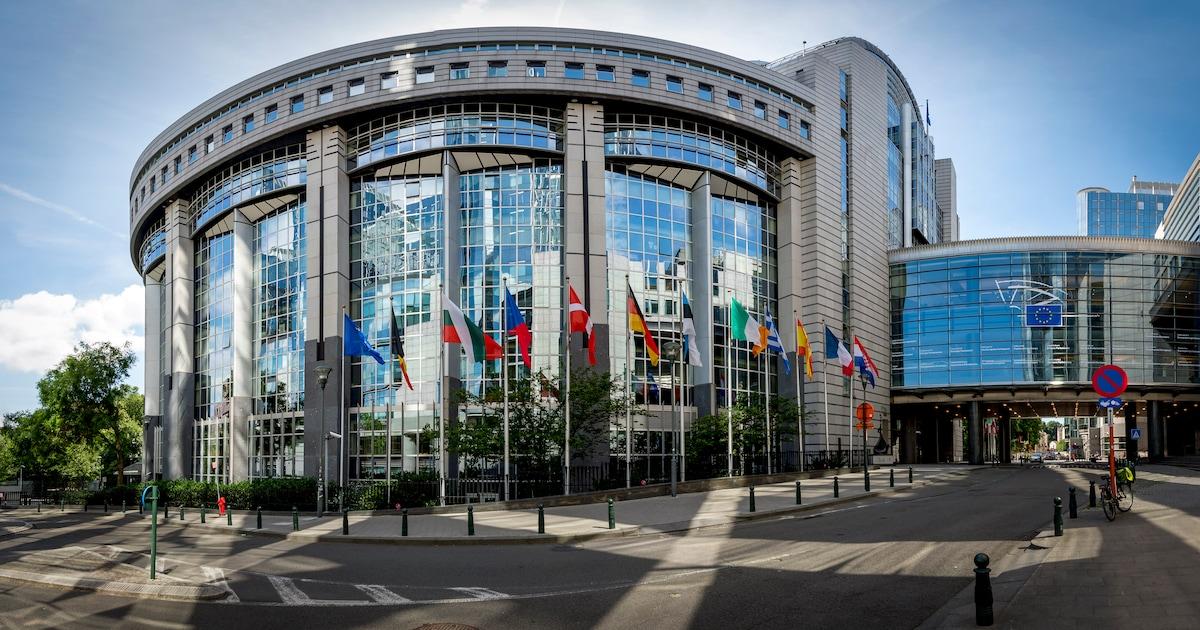
The European Central Bank left benchmark interest rates unchanged at 2.25 percent on July 23, forced into a defensive holding pattern as Brent crude oil climbed toward $100 per barrel. A fresh wave of missile strikes on crude tankers near the Bab-el-Mandeb Strait has severely damaged infrastructure linked to Saudi Arabia’s Yanbu pipeline bypass route. This escalation compounds the months-long transit standstill through the Strait of Hormuz. What began as a localized Middle Eastern military conflict has transformed into an immediate stagflation shock for European industry. Policymakers and market analysts can no longer treat this crisis as a temporary supply disturbance. It represents an active economic contraction that threatens Europe’s core industrial model.
The operational reality across international trade routes is deteriorating rapidly. Operational updates from the International Energy Agency confirm that commercial transit through the Strait of Hormuz remains suppressed at a fraction of standard capacity. This blockage strands approximately 20 percent of global petroleum trade alongside critical liquefied natural gas exports. European natural gas benchmarks surged following force majeure declarations on Qatari exports, while global shipping lines have largely suspended voyages through the Red Sea. With both crucial maritime passages compromised, energy flows to Europe have suffered severe structural interruptions.
Mainstream economic commentary across European capitals frames this crisis as a transient logistics bottleneck. The dominant narrative holds that central bank pauses, strategic inventory releases, and temporary shipping subsidies will cushion the blow until regional stability returns. That analysis is fundamentally flawed. The simultaneous blockade of Hormuz and Bab-el-Mandeb is not a short-term supply chain snag; it is the structural unwinding of Europe’s post-2022 economic positioning. In its rush to eliminate pipeline reliance on Russian natural gas, Europe constructed a replacement energy architecture dependent almost entirely on long-distance ocean transport. European strategists operated under the implicit assumption that international sea lanes would remain permanently open and friction-free. The simultaneous closure of both straits proves that Europe merely traded land-based pipeline risks for acute maritime vulnerability.
The transmission mechanism from closed waterways to European factory floors is immediate and destructive. Trade monitoring from the Kiel Institute shows that rerouting container ships and tankers around the Cape of Good Hope adds 10 to 14 days to standard transit times between Asian production centers and European discharge ports. This detour consumes massive volumes of bunker fuel, ties up global vessel capacity, and drives spot container freight rates to multi-year highs. Concurrently, regional airspace restrictions across the Middle East have constrained air freight capacity, eliminating the standard escape valve for emergency industrial components.
The consequences for Europe’s manufacturing core are already visible. German automotive plants, Italian specialized machinery manufacturers, and Dutch chemical complexes are encountering severe inventory shortfalls. European industrial production had built its cost structure on just-in-time delivery models that cannot absorb multi-week shipping delays. As component buffers run dry, factories face forced slowdowns or temporary shutdowns. Unlike the pandemic era, when demand was buoyed by fiscal stimulus, current supply disruptions coincide with elevated borrowing costs and weakened consumer purchasing power.
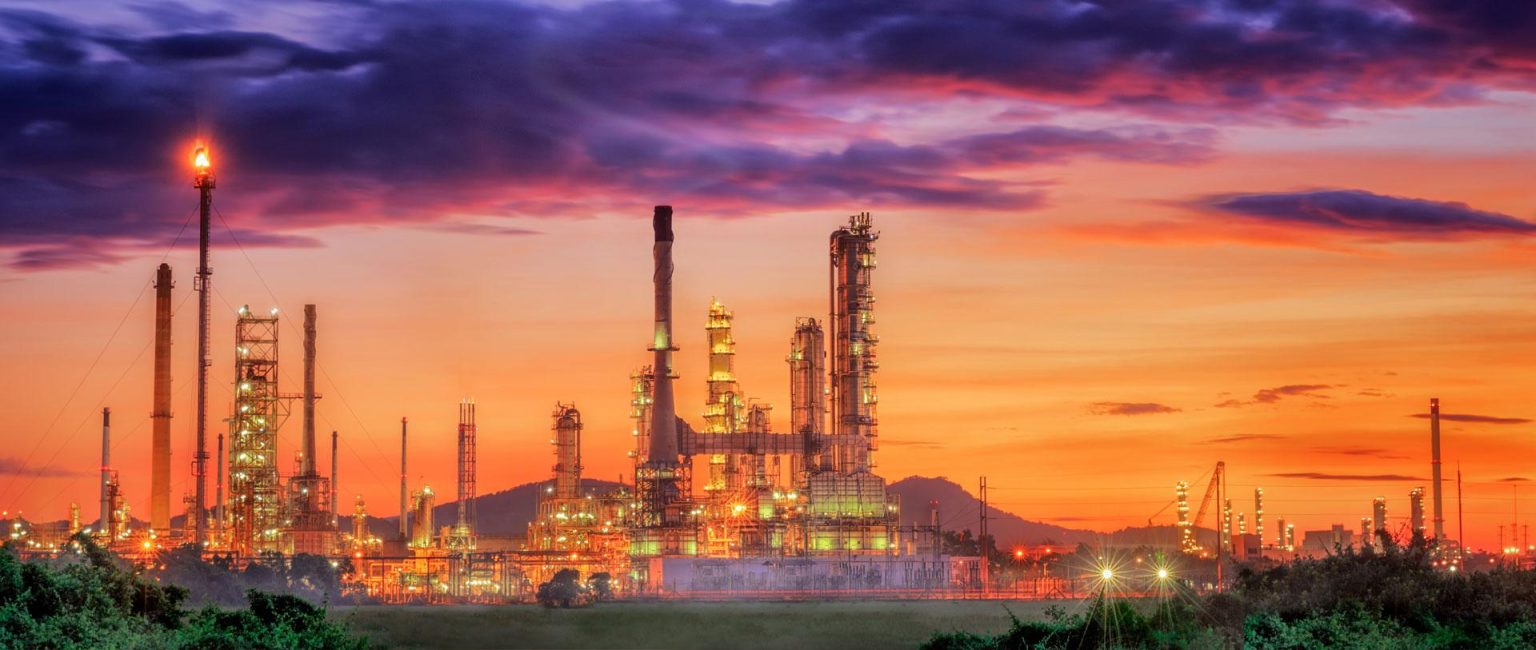
Why does this matter beyond immediate shipping delays? Because the cost structure of European industry is being permanently altered relative to its global competitors. American manufacturers benefit from abundant domestic shale gas and secure overland transport networks that remain immune to Middle Eastern maritime crises. East Asian industrial economies sit closer to alternative trade corridors and retain extensive domestic refining capacity. Europe, by contrast, imports the vast majority of its raw energy and primary industrial inputs over open ocean corridors. As elevated maritime insurance premiums, extended transit fuel surcharges, and volatile crack spreads accumulate, European manufactured goods are priced out of global markets.
This structural divergence exposes the complete helplessness of monetary policy. Central banks possess tools to temper demand, but they cannot manufacture physical commodities or clear blocked sea lanes. Raising interest rates to combat energy-driven inflation crushes domestic investment and accelerates industrial decline. Conversely, cutting rates to support struggling manufacturers risks depreciating the euro, which further inflates the cost of dollar-denominated energy imports. Europe finds itself trapped in a classic stagflation spiral where conventional monetary levers offer no relief.
Fiscal policy offers equally constrained options. Under reformed European Union fiscal rules, member states lack the balance sheet capacity to finance open-ended energy subsidies for households and businesses. Market data from S&P Global indicates that corporate credit spreads for energy-intensive European firms are widening, reflecting growing market skepticism regarding their long-term viability. Broad consumer bailouts only serve to maintain baseline energy demand, aggravating domestic price pressures without solving the underlying supply shortage.
To manage this crisis, European institutions must pivot from passive subsidies to targeted industrial defense. The European Commission must coordinate emergency releases from Strategic Petroleum Reserves, directing crude and refined products directly to essential industrial processors rather than attempting to artificially suppress retail fuel prices. Diplomatic initiatives must prioritize transactional security and transit agreements with non-belligerent regional partners, incentivizing the rapid expansion of terrestrial pipeline links that bypass both chokepoints entirely.
Over the medium term, Europe must accept that maritime energy transport carries a permanent geopolitical surcharge. True economic resilience cannot be achieved simply by switching suppliers from one volatile maritime state to another. Policy must focus aggressively on structural demand destruction for imported fossil fuels. Accelerating industrial electrification, expanding localized grid storage, and upgrading domestic energy efficiency are no longer merely environmental choices; they are primary imperatives of national security and economic self-reliance.
The dual closure of Hormuz and Bab-el-Mandeb marks the end of Europe’s low-cost energy era. Treating this crisis as a transient shock guarantees recurring cycles of imported inflation and industrial decay. European prosperity now depends on building an economy that no longer relies on frictionless maritime transit.