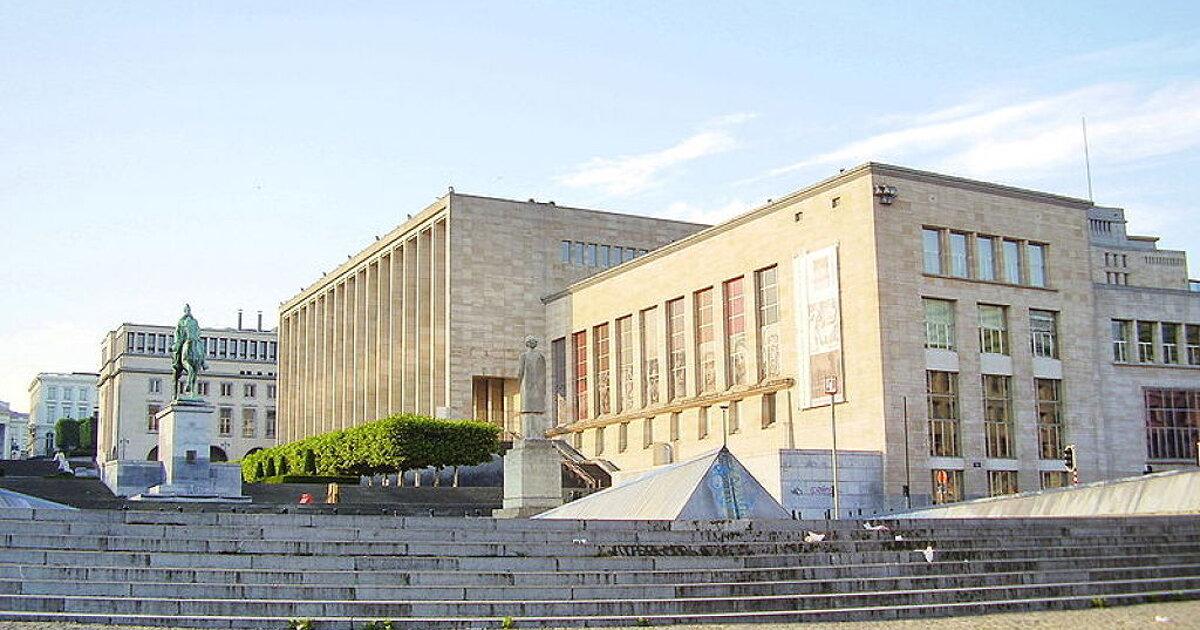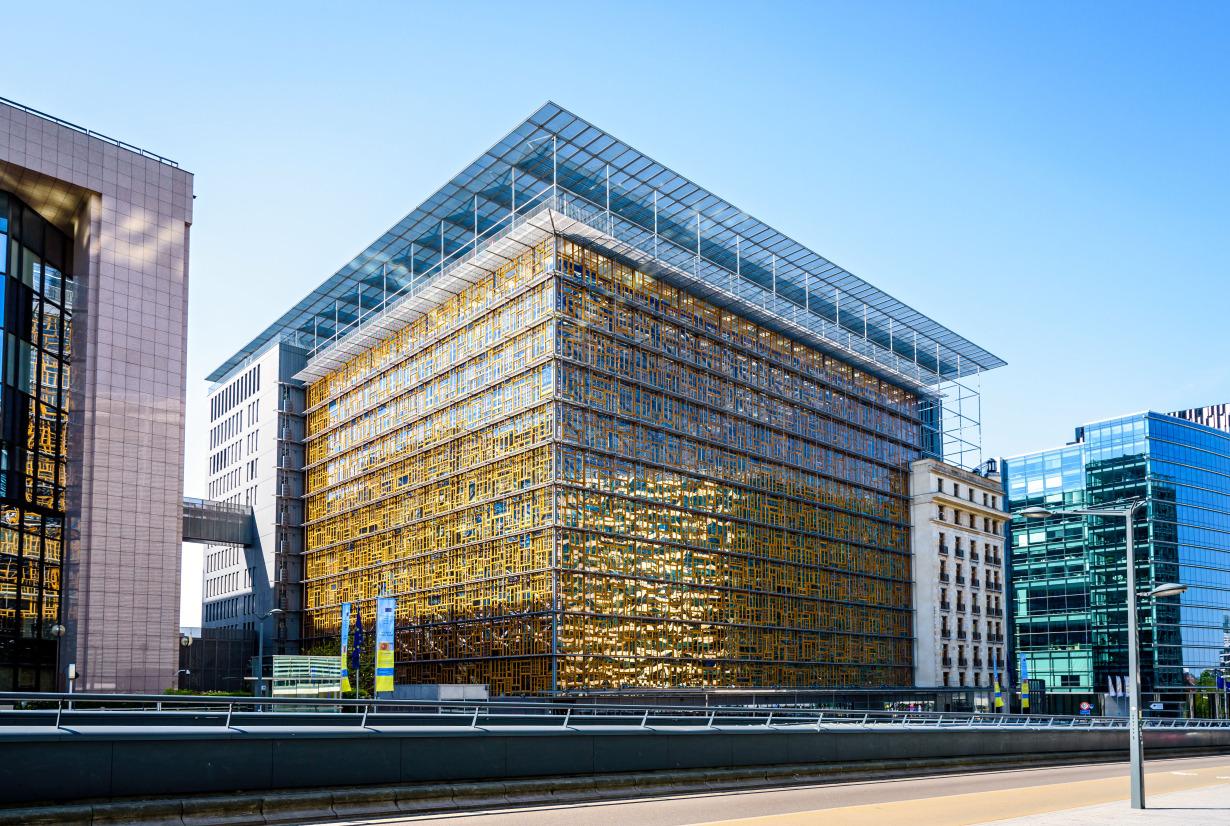
Brussels, 15 October, (Brussels Morning Newspaper) – European Union leaders are gathering in Brussels for the EU Summit 2026, with high energy prices, winter gas security and economic competitiveness dominating discussions. The two-day European Council meeting, scheduled for 15–16 October, comes as governments face pressure to protect households and businesses from energy costs while strengthening Europe’s long-term energy independence.
The summit brings together EU heads of state and government to consider coordinated responses to energy affordability, economic uncertainty and the bloc’s wider competitiveness challenges.
EU Leaders Face Growing Pressure Over Energy Prices
Energy affordability has become a central issue for European policymakers as the colder months approach.
According to the European Council’s published agenda, leaders are expected to consider targeted and temporary measures to reduce the impact of high energy prices on European citizens and businesses.
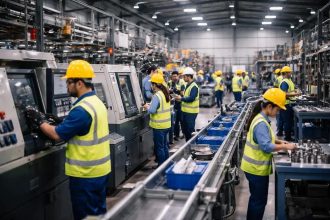
The discussions are particularly significant for energy-intensive industries, including manufacturing, chemicals and other sectors where electricity and gas prices influence production costs.
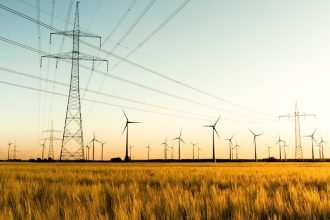
European policymakers must balance immediate financial relief with longer-term investments in energy infrastructure, efficiency and supply diversification.
António Costa Highlights Urgent Need for Energy Action
European Council President António Costa placed energy affordability among the priorities in his invitation to EU leaders ahead of the meeting.
In his letter dated 8 October, Costa called for political guidance on temporary measures to ease the impact of expensive energy on consumers and businesses.
He also emphasised the importance of reducing Europe’s dependence on fossil fuels, linking short-term affordability with longer-term economic resilience.
The discussions form part of the European Council’s wider examination of European competitiveness and the functioning of the single market.
European Commission Confirms Winter Gas Preparedness
The European Commission reported on 8 October that the EU’s gas infrastructure remained sufficiently flexible to meet winter demand, despite storage levels being below historical averages.
According to the Commission, expanded liquefied natural gas import capacity, diversified supplies and reduced consumption have strengthened Europe’s energy security compared with the winter of 2021–2022.
However, officials stressed the importance of maintaining adequate gas reserves to manage potential cold spells later in the season.
The Commission will continue monitoring gas storage, supply conditions and prices throughout winter.
Energy Costs Threaten European Industrial Competitiveness
High energy prices remain a concern for European manufacturers competing with businesses in regions where electricity and natural gas are cheaper.
The summit will also examine the EU’s “One Europe, One Market” strategy, which aims to strengthen competitiveness and deliver economic improvements during 2026 and 2027.
European leaders are expected to consider how energy affordability, industrial investment and market integration can support the bloc’s economic resilience.
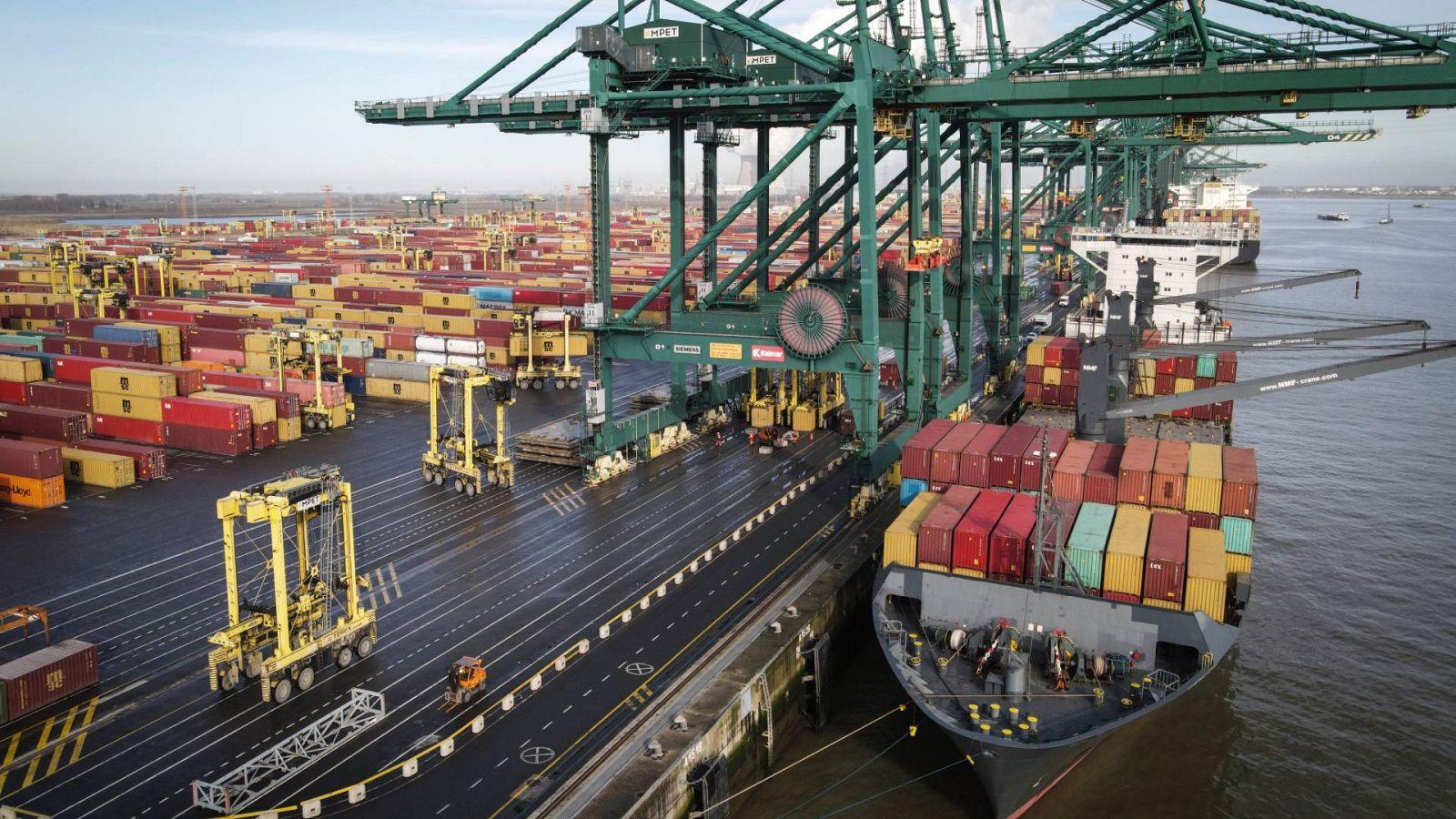
Meanwhile, developments in the Middle East and maritime security will feature in discussions because disruptions to international shipping can affect energy and other essential supply chains.
What Happens Next After the Brussels Energy Talks?
The European Council meeting is scheduled to continue until Friday, 16 October, with leaders expected to provide further direction to the European Commission on possible short-term energy measures.
No final package of emergency energy relief measures had been confirmed in the published summit agenda.
Any subsequent proposals would need to follow the appropriate EU legislative or administrative procedures.
For households and businesses across Europe, the central issue is whether the discussions produce practical measures that improve energy affordability without undermining long-term supply security.
The Brussels summit therefore represents an important stage in the EU’s efforts to address energy costs, industrial competitiveness and economic uncertainty ahead of winter.