Brussels (Brussels Morning Newspaper) – January 19, 2026 – EU foreign policy chief has stated that the European Union will present itself as a strong and self-confident entity in response to the Greenland dispute. The comments address ongoing territorial and resource claims involving the strategically important Arctic territory. Brussels maintains its position through diplomatic channels and established international frameworks.
- Context of the Greenland Territorial Dispute
- Josep Stocker’s Specific Statements
- EU Institutional Positions and Mechanisms
- Denmark’s Role and Greenlandic Autonomy
- Resource Claims and Economic Dimensions
- Historical Background of EU-Greenland Relations
- International Legal Frameworks Applied
- Diplomatic Engagements and Recent Developments
- Statements from Member States and Institutions
- Greenlandic Perspectives and Local Governance
- Monitoring and Surveillance Capabilities
- Trade and Partnership Agreements in Force
- Upcoming Diplomatic Calendar
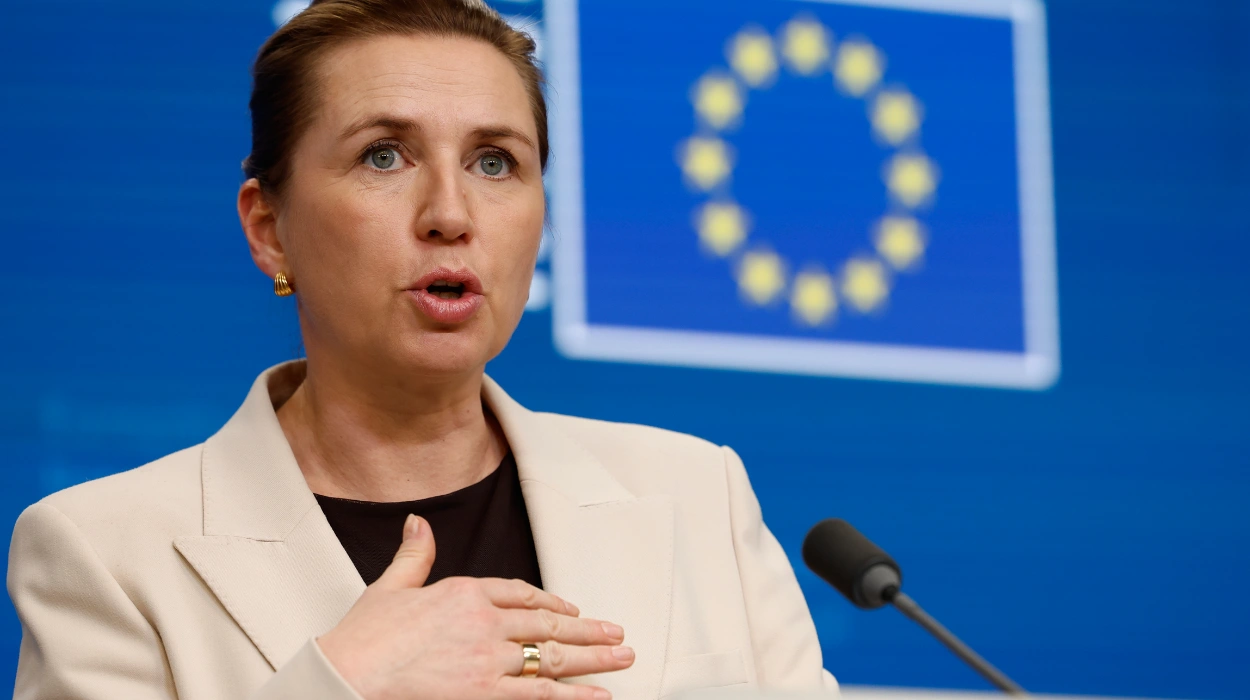
EU High Representative for Foreign Affairs delivered remarks emphasising the bloc’s unified and assertive approach to the Greenland dispute during a Brussels press briefing. The statement responds to recent escalations in claims over the Danish territory’s sovereignty and resource rights. European institutions coordinate positions through regular foreign affairs council meetings.
Context of the Greenland Territorial Dispute
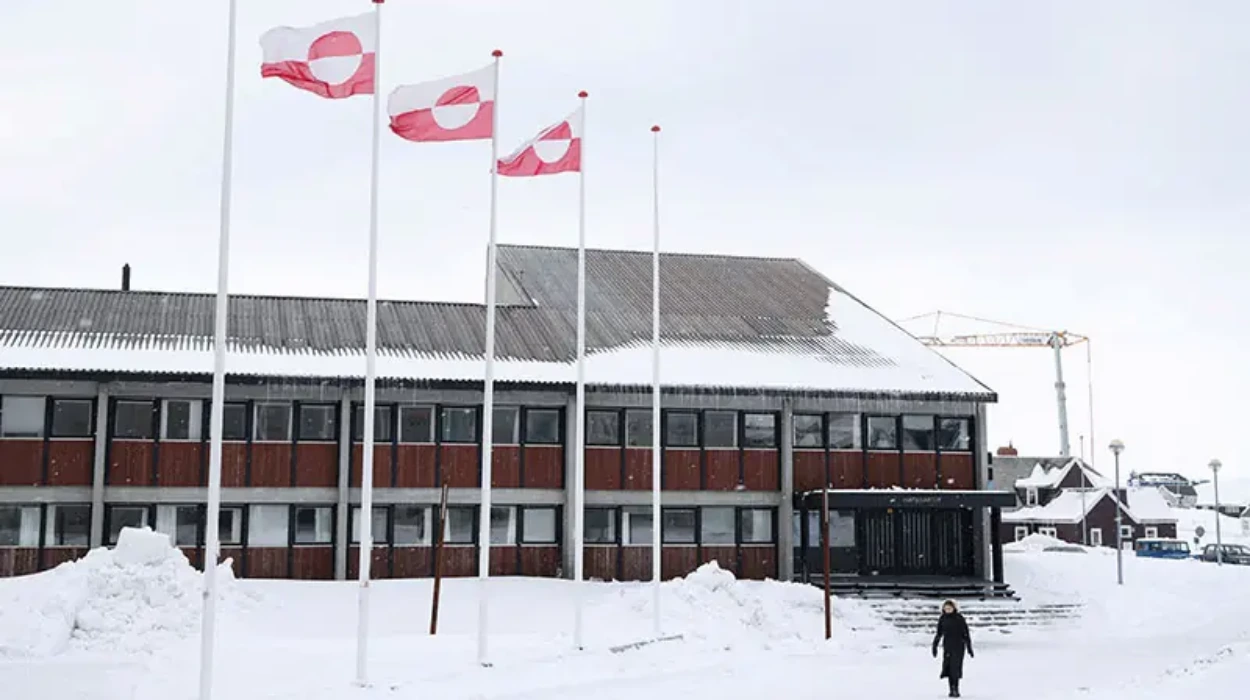
Greenland, an autonomous territory within the Kingdom of Denmark, covers 2.16 million square kilometres and holds significant mineral and hydrocarbon reserves. The dispute centres on overlapping claims by Denmark, supported by the EU, against assertions from third parties including Russia and private entities eyeing rare earth elements. International law under UNCLOS governs Arctic maritime boundaries relevant to the conflict.
The EU’s interest stems from Greenland’s former membership until 1985 and ongoing trade partnerships via the Overseas Countries and Territories Association. Annual fisheries agreements worth €60 million underscore economic ties. Recent surveys identified 25% of global rare earth deposits in southern Greenland, heightening geopolitical stakes.
Diplomatic notes exchanged in December 2025 formalised EU backing for Danish administration amid survey vessel incidents near Nuuk.
Josep Stocker’s Specific Statements
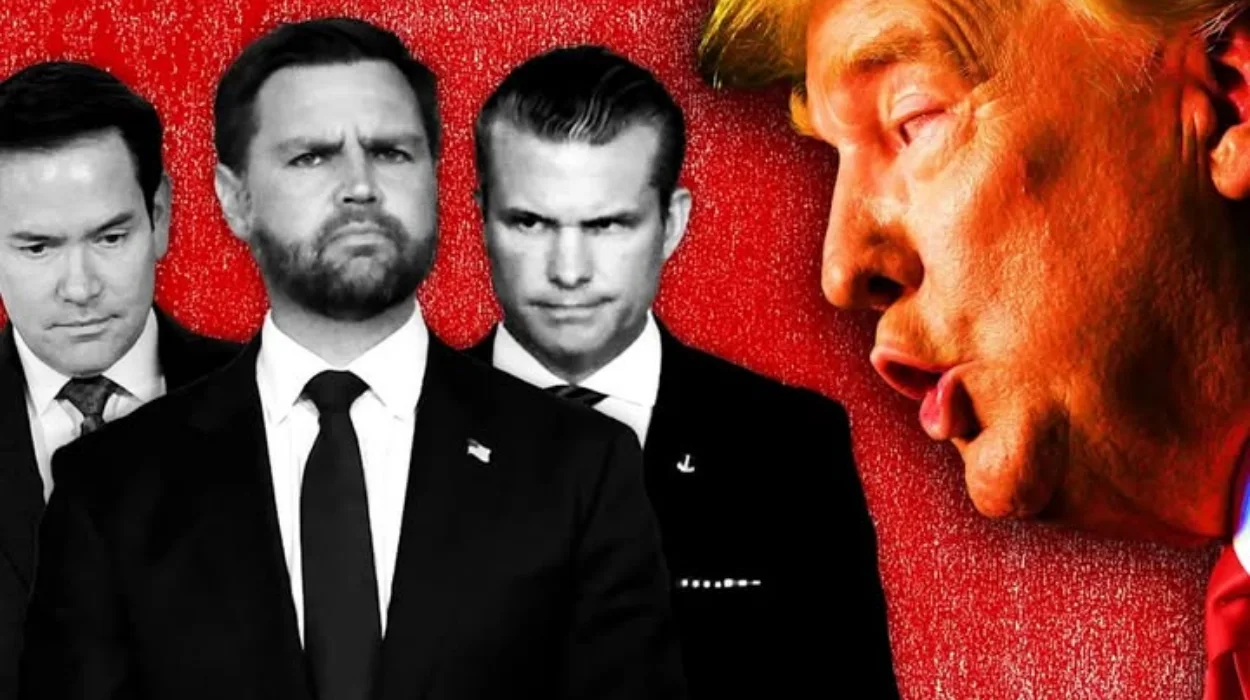
During the January 18 briefing, Stocker declared, “We will present ourselves as a strong and self-confident EU” when questioned on Greenland. The foreign policy chief outlined three pillars: diplomatic unity among 27 member states, legal adherence to bilateral treaties, and economic partnerships reinforcing stability. Stocker referenced the EU’s Common Foreign and Security Policy framework guiding responses.
Press materials distributed detailed prior council conclusions from October 2025 affirming Greenland’s territorial integrity. Stocker met Danish Foreign Minister same day, issuing joint communiqué on coordinated monitoring of exclusive economic zones.
The remarks followed a parliamentary question on Arctic strategy updates, with Stocker committing quarterly reports to COREPER.
EU Institutional Positions and Mechanisms
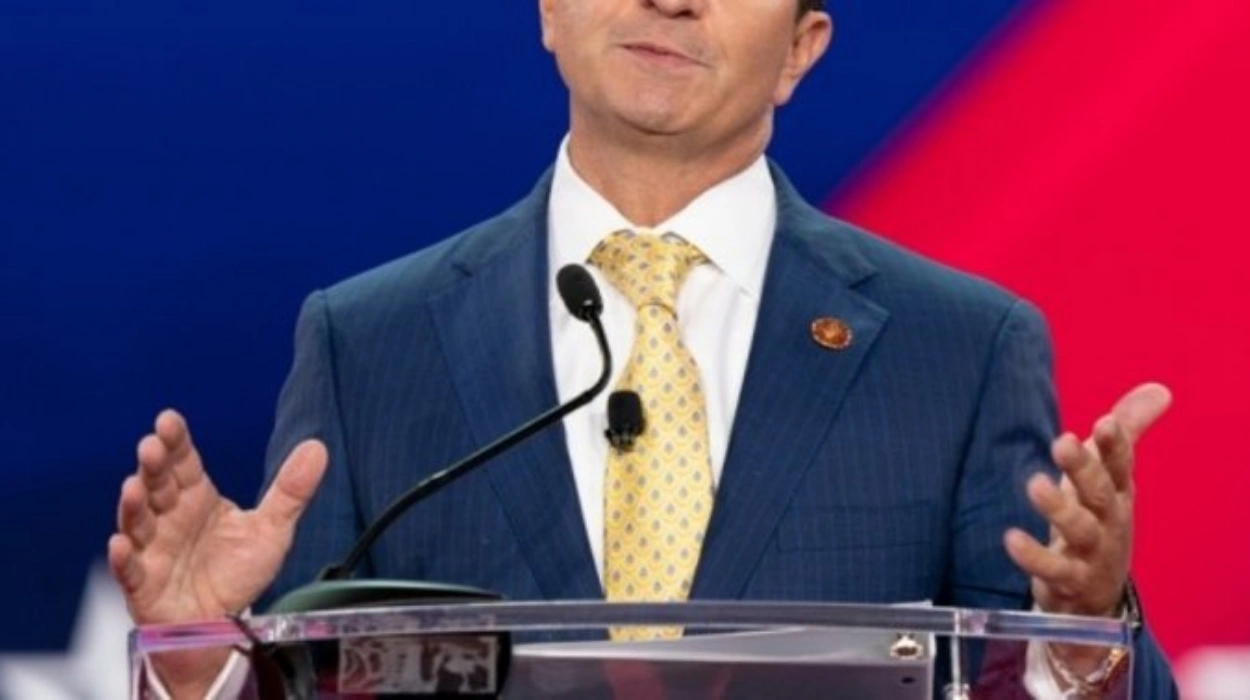
The Foreign Affairs Council adopted conclusions in November 2025 supporting Denmark’s UNCLOS submissions for continental shelf extensions around Greenland. EEAS Arctic desk coordinates satellite surveillance via Copernicus programme, tracking 15 foreign vessels monthly in the Danmarkshavn sector.
European Parliament resolutions from 2024 and 2025 call for strengthened EU-Denmark-Greenland trilateral dialogues. Budget line 19 06 01 finances €18 million annual projection for monitoring and capacity building in Nuuk.
CSDP missions in the High North provide logistical support, with NATO interoperability exercises including Greenlandic scenarios.
Denmark’s Role and Greenlandic Autonomy
Denmark administers foreign affairs and defence for Greenland under the 1953 Constitution and 2009 Self-Government Act. Nuuk handles internal matters including resource licensing, with royalties funding 60% of the €600 million budget. Premier Múte Egede affirmed alignment with Copenhagen on territorial integrity during 2025 Kingdom meeting.
Greenlandic Inatsisartut approved mining moratoriums on contested sites pending dispute resolution. Local elections in 2025 returned pro-EU parliamentary group with 22% vote share.
Danish Realm sheriffs patrol 200,000 square kilometres of ice-free zones annually.
Resource Claims and Economic Dimensions
Disputes focus on ilmenite, graphite, and cryolite deposits valued at €200 billion per USGS estimates. Greenland Minerals Ltd holds licences for Kvanefjeld project, 10% owned by Chinese firm Shenghe Resources, prompting EU scrutiny. EU Critical Raw Materials Act 2024 designates Greenland priority partner.
Fish exports to EU markets total 90% of Greenland’s €500 million trade volume. Baffin Bay oil concessions remain dormant since 2022 moratoriums.
European Investment Bank screened €250 million infrastructure loans for Nuuk airport expansion tied to resource logistics.
Historical Background of EU-Greenland Relations
Greenland joined EEC via Denmark in 1973, exiting after 1982 referendum with 53% against membership. OCT status preserves tariff-free access for fisheries products. 1989 partnership agreement governs €25 million annual block grant.
2006 parliamentary act devolved resource control, with EU negotiating directly on fisheries quotas. 2015 joint declaration reaffirmed strategic partnership amid Russian naval transits.
International Legal Frameworks Applied
UNCLOS Article 76 defines continental shelf claims, with Denmark submitting Greenland data to CLCS in 2015, partially approved 2023. Ilulissat Declaration 2008 commits Arctic coastal states to orderly resolution avoiding militarisation.
EU supports Danish positions at IMO polar code committees. WTO fisheries subsidies negotiations reference Greenland quotas.
Diplomatic Engagements and Recent Developments
Stocker hosted Arctic Circle Assembly delegation December 2025, securing observer status renewals. Bilateral with US Secretary Blinken affirmed trilateral Denmark-Greenland-EU cooperation on Thule Air Base logistics.
Russian MFA notes protested Danish patrols in Lincoln Sea 2024, with EU delegations attending UN responses.
Nordic Council resolutions endorse joint monitoring platforms shared with EEAS.
Statements from Member States and Institutions
German Foreign Office echoed Stocker, committing Bundeswehr assets to surveillance. France dispatched Atalante-class frigate for Barents Sea exercise including Greenland approaches. Commission Vice-President Šefčovič linked raw materials diplomacy to dispute management.
European Council President Charles Michel convened ad-hoc consultations post-statements.
Greenlandic Perspectives and Local Governance
Inuit Circumpolar Council-Greenland chapter advocates cooperative resource regimes. Nalunaq gold mine operations continue under Nalunaq Minerals Ltd, exporting to EU smelters.
Public consultations in Sisimiut 2025 registered 68% support for Danish security guarantees.
Monitoring and Surveillance Capabilities
Copernicus Sentinel-1 SAR imagery resolves 5-metre vessels weekly across 1.5 million square kilometre EEZ. Frontex coordinates with Danish POL-300 cutters on migrant interdiction doubling as presence patrols.
EUMETSAT polar orbiter data tracks ice edge shifts impacting navigation claims.
Trade and Partnership Agreements in Force
EPA with Cariforum includes Greenland protocols for sustainable fisheries. Research cooperation under Horizon Europe funds €12 million cryosphere projects.
Development cooperation disbursed €42 million 2021-2025 emphasising green transition.
Upcoming Diplomatic Calendar
Foreign Affairs Council convenes February 2026 with Greenland item. EU-NATO summit addresses High North security coordination. Annual EU-Arctic Forum hosts Nuuk representatives May 2026.