
The European Commission says it has approved the registration of three new Protected designation of origin.
From Spain, the Commission registered two geographical indications.
‘Pernil Cerretà’ is a meat product from Catalonia, consisting of a hind-leg ham from a ‘white’ (non-Iberian) breed of pig.
It is trimmed into a rounded shape and then cured for at least seven months in case of a boneless ham, or nine months in case of a bone-in ham.
The hams are never smoked and are characterised by the use of pepper and a high-temperature dry-curing and maturing process.
The recipe is passed down from generation to generation, and its origin can be traced back to antiquity.
During the 20th century, the traditional know-how, developed by small local producers, was transferred to the local meat processing industry, where technological and scientific progress was also incorporated into production but without abandoning the basic traditions.
‘Aceite de las Sierras Espadán y Calderona’, is an extra virgin and virgin olive oil produced in the mountainous area in the northern part of the Valencian region, between the provinces of Valencia and Castellón.
It is obtained from olives of local varieties, in particular the Serrana de Espadán variety.
The olive oil is sweet, smooth, fruity and a combination of bitterness and pungency of medium intensity with colour shading between green and yellow.
The product’s specific qualities are linked to the mountainous terrain, the sea breeze and night-time dew.
Thanks to the local know-how and traditional olive-growing practices developed over generations, producers use very few plant protection treatments as the Serrana variety is highly resistant to the usual pests that attack olive trees.
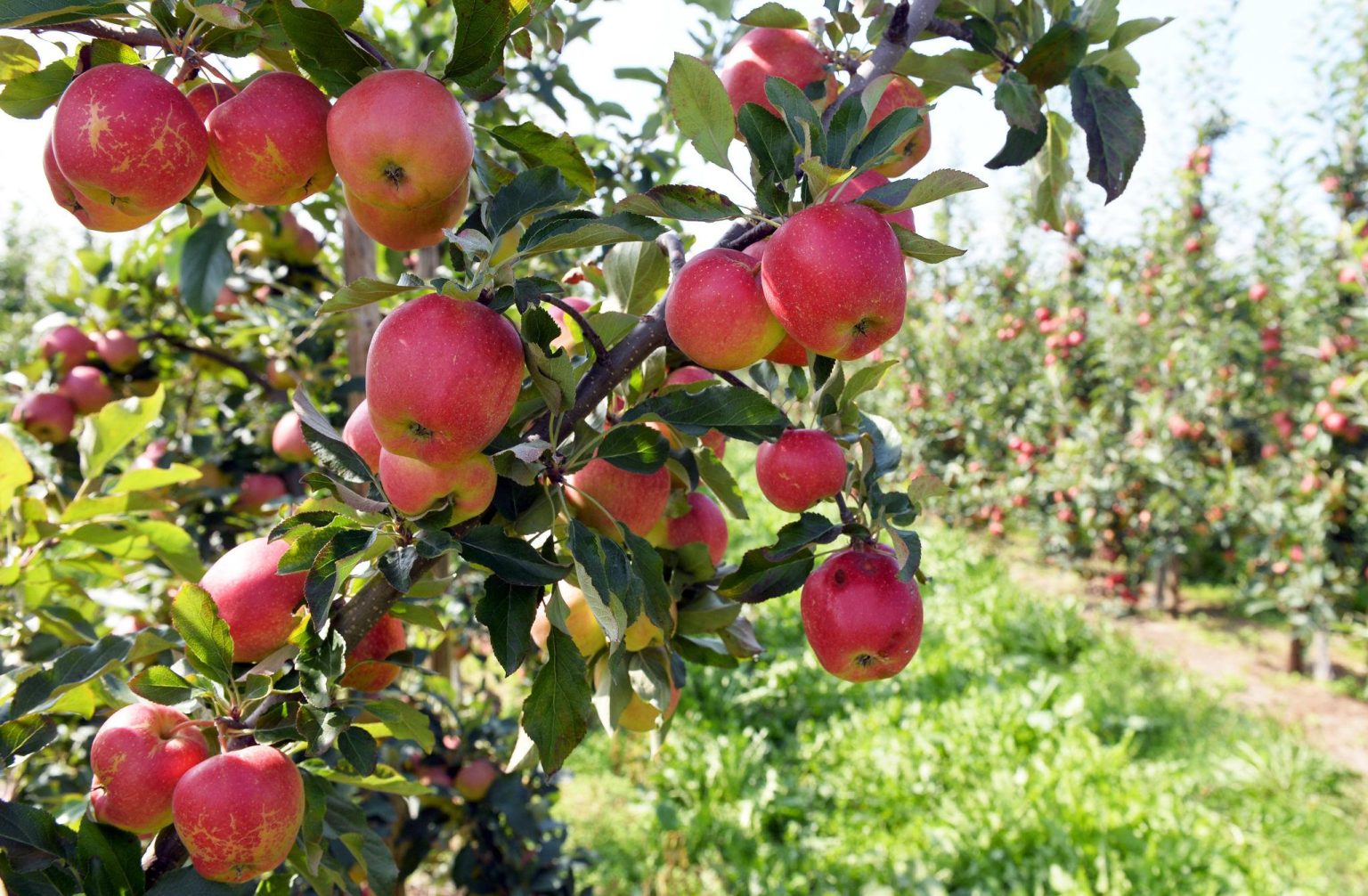
The Commission, meanwhile, has also registered a new geographical indication from Poland: ‘Jabłka krajeńskie’, an apple variety grown in the Krajna region.
They are characterised by higher sugar content and a greater degree of firmness compared to the same varieties grown in other areas of Poland.
The specific climate conditions in southern Krajna, such as the higher number of sunny days and moderate precipitation, contribute to the intense colour of the fruit and the concentration of flavour components.
The fruit growing traditions of the region are a result of the experience of local growers, built up and passed on for generations.
These new designations join the more than 3,900 protected names already listed in EU database.