

In Brussels in 2026, EU digital regulation has become a defining force in how European institutions oversee artificial intelligence and major technology platforms. According to reporting by Brussels Morning Newspaper, policymakers are intensifying scrutiny of digital systems that shape information flows, economic activity, and public debate across the European Union. The renewed focus reflects growing concern about the societal impact of advanced technologies and the need for clear, enforceable rules that keep pace with innovation.
Officials say the objective is not to curb technological progress but to ensure that digital tools operate within transparent and accountable frameworks. As artificial intelligence becomes increasingly embedded in everyday life, regulatory clarity is emerging as a cornerstone of Europe’s digital strategy.
Europe’s Evolving Approach to Digital Governance
The European Union’s digital policy journey has unfolded gradually over the past decade. Initial efforts concentrated on data protection and competition policy, responding to the rapid expansion of online platforms. Over time, attention shifted toward algorithmic systems and automated decision making, which introduced new challenges beyond traditional regulatory models.
Within this broader evolution, EU digital regulation now serves as an umbrella concept linking multiple policy objectives. It integrates privacy protection, market fairness, and systemic risk management into a coherent framework designed to address the complexity of modern digital ecosystems.
Why Brussels Remains the Policy Epicenter
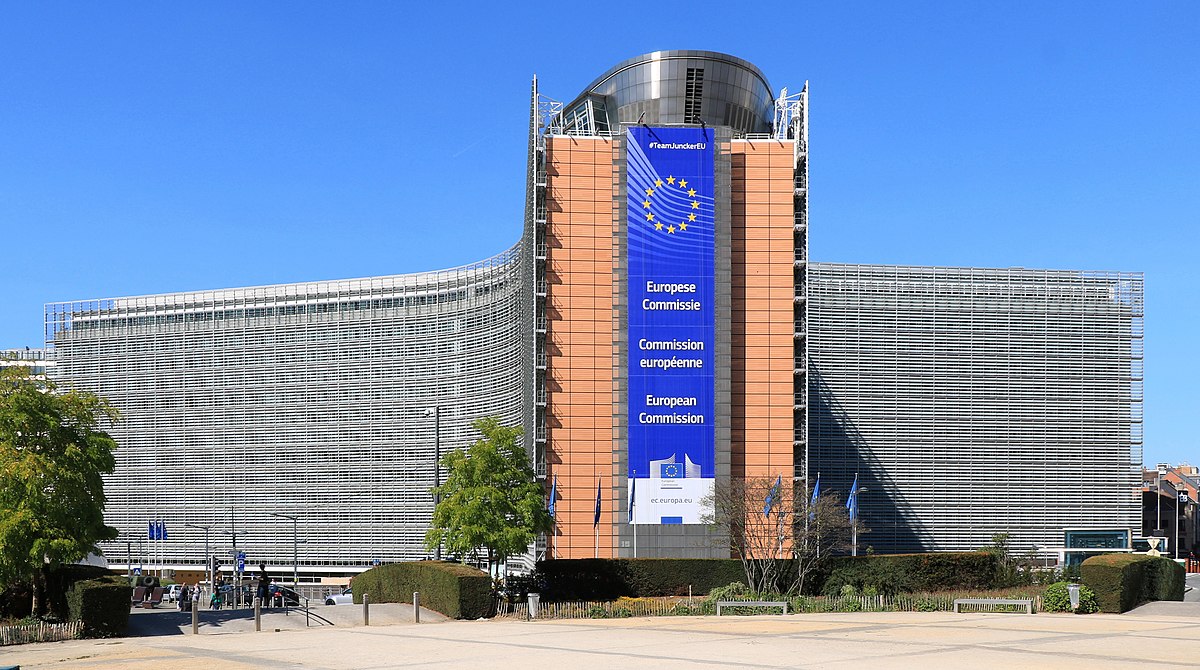
Brussels occupies a central role in shaping European law, hosting institutions responsible for drafting and enforcing rules that apply across all member states. In the digital sector, decisions taken in the Belgian capital often resonate far beyond Europe due to the size of the single market.
By advancing EU digital regulation, policymakers in Brussels reinforce the city’s position as a global reference point for technology governance. Multinational companies frequently adjust their practices to meet European standards, effectively extending the influence of EU rules worldwide.
Artificial Intelligence and Regulatory Accountability
Artificial intelligence systems now influence content moderation, advertising, customer service, and data analysis across numerous sectors. While these tools offer efficiency and scalability, they also raise concerns about opacity, bias, and accountability.
European authorities argue that EU digital regulation provides a structured response to these challenges. By requiring clearer governance and oversight, regulators aim to ensure that automated systems remain subject to human responsibility and legal scrutiny.
Documentation and Transparency as Policy Pillars
A central element of Europe’s digital strategy is the emphasis on documentation. Regulators increasingly view detailed records as essential for understanding how complex systems function and evolve.
Through EU digital regulation, authorities stress that transparency enables effective supervision. Clear documentation allows regulators to trace decisions, evaluate safeguards, and assess compliance, reducing the likelihood that risks remain hidden until harm occurs.

How Technology Firms Are Responding
Technology companies operating within the European Union are adjusting to rising regulatory expectations. Many firms have expanded internal compliance teams and invested in governance structures designed to meet evolving standards.
Industry observers note that EU digital regulation is influencing corporate behavior by embedding accountability into product development. While compliance can increase costs, supporters argue that predictable rules offer long term benefits by reducing legal uncertainty and strengthening consumer trust.
Balancing Innovation With Oversight
European policymakers consistently emphasize that regulation should guide innovation rather than suppress it. The aim is to create an environment where technological progress aligns with societal values and legal norms.
Advocates of EU digital regulation contend that clear boundaries actually encourage innovation. When companies understand regulatory expectations, they can invest with greater confidence and plan for sustainable growth without fear of abrupt policy shifts.
Public Trust and Democratic Values
Public confidence has become a central theme in debates surrounding artificial intelligence. Surveys across Europe indicate that citizens want assurance that automated systems are fair, transparent, and accountable.
A senior policy adviser said,
“Transparency is essential if citizens are to trust technologies that increasingly shape public life.”
This principle underpins the emphasis placed on EU digital regulation as a means of safeguarding democratic values in the digital age.

Legal Structures and Enforcement Capacity
Europe’s digital legal framework continues to develop alongside technological change. Existing laws are being complemented by more targeted rules designed specifically for artificial intelligence and automated systems.
By embedding oversight mechanisms into EU digital regulation, authorities ensure they retain the capacity to review practices as standards evolve. This approach allows regulators to adapt enforcement without constantly rewriting legislation.
Global Attention on Europe’s Model
Europe’s regulatory approach is closely watched by policymakers around the world. In many cases, EU initiatives serve as benchmarks for other jurisdictions grappling with similar technological challenges.
As EU digital regulation matures, it may contribute to the emergence of shared international norms around artificial intelligence governance. Global companies may increasingly adopt European standards across markets to maintain consistency and efficiency.
Economic and Social Dimensions of Digital Policy
Digital regulation carries implications beyond legal compliance. Clear rules can stimulate investment by reducing uncertainty, while strong safeguards help protect users from potential harm.
Supporters argue that EU digital regulation strengthens Europe’s digital economy by fostering trust. When consumers feel confident that technologies are responsibly governed, adoption and innovation are more likely to accelerate.
Institutional Capacity and Expertise
Effective oversight depends not only on legislation but also on institutional expertise. European authorities continue to invest in technical knowledge, cross border cooperation, and regulatory capacity.
Within this ecosystem, EU digital regulation relies on collaboration between policymakers, academics, and industry specialists. This cooperative approach aims to ensure that rules remain both legally robust and technically informed.
Preparing for the Next Phase of Digital Change
Artificial intelligence continues to evolve at a rapid pace, presenting new opportunities and risks. Policymakers acknowledge that regulatory frameworks must remain flexible to address unforeseen developments.
The continued refinement of EU digital regulation is expected to shape Europe’s digital trajectory in the coming years. By prioritizing transparency and accountability, authorities aim to ensure that innovation aligns with public interest.
Europe’s Digital Rule-book Enters a Defining Moment
Issued from Brussels in 2026, Europe’s latest policy direction reflects a determination to govern artificial intelligence responsibly. By reinforcing transparency, oversight, and accountability, EU digital regulation is shaping how advanced technologies operate within one of the world’s largest digital markets. As global attention remains focused on Europe’s model, the coming years may prove decisive for the future of digital governance.