Skinks, fascinating reptiles found in abundance in Australia, have gained popularity as pets, especially among beginners. Renowned for their docile nature and ease of handling, these creatures, often referred to as “garden skinks,” are intriguing with their snake-like bodies and diminutive legs. However, a burning question for its owners is: Do skinks have teeth? In this article, we delve into the world of skink dentition, exploring their dental anatomy, the development of teeth in baby skinks, and whether skink teeth pose any danger.
Do Skinks Have Teeth?
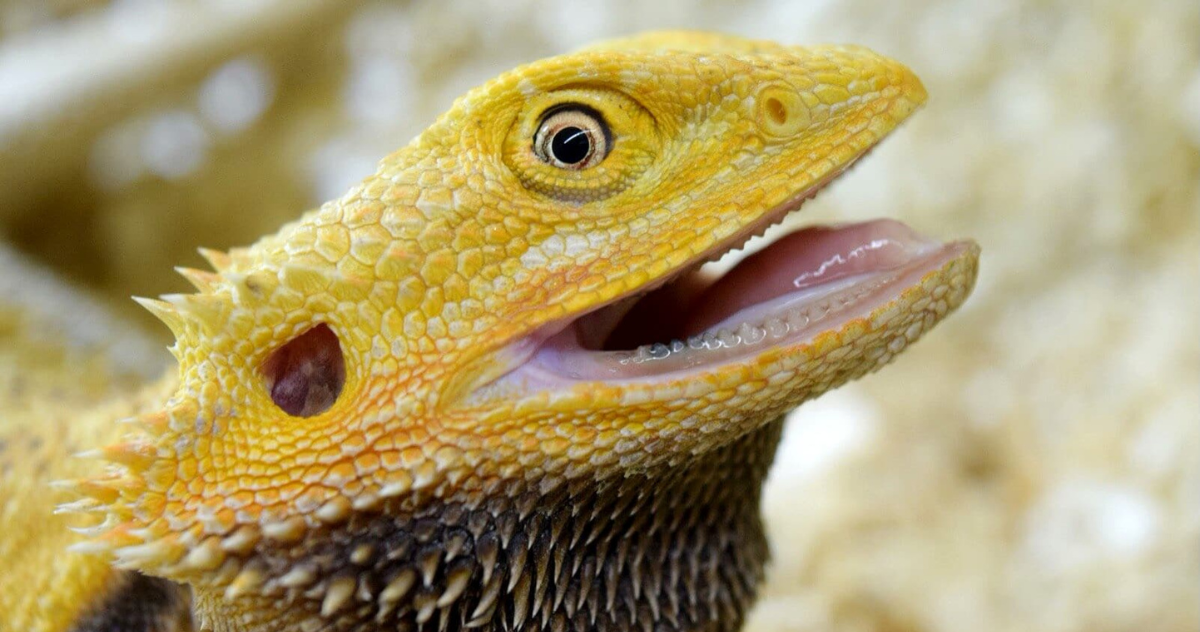
Yes, skinks do have teeth. Despite their small size, skinks boast approximately 40 tiny teeth fused to their jawbone. These teeth are discreet and challenging to observe with the naked eye. Unlike mammals, skinks don’t rely on chewing; instead, they employ their teeth to tear apart prey before swallowing it in manageable pieces.
Do Baby Skinks Have Teeth?
The reproduction process of skinks involves laying eggs, and these eggs undergo incubation for around 35 days before hatching. Notably, three-toed skink eggs can hatch in as few as five days. Once hatched, baby skinks are entirely self-sufficient, needing to hunt and feed independently. Though initially imperceptible, their teeth develop over time, ensuring they can engage in hunting and feeding activities from the moment they emerge.
It’s important to note that while baby skink teeth may be small, they are robust, underscoring the remarkable adaptability of these reptiles.
Types and Structure of Skink Teeth
Skinks possess predominantly pleurodont teeth, which means their teeth are fused to the inner side of the jawbone and can be replaced continuously throughout their lives. Unlike acrodont teeth found in some lizards like chameleons, which are fused somewhat superficially and rarely replaced, pleurodont teeth offer skinks the advantage of renewal. This is essential for coping with wear caused by their varied diets. Their teeth are typically conical and sharp, designed for gripping and tearing prey rather than chewing. This dental structure provides skinks with the ability to maintain effective feeding capabilities throughout their lifespan.
Do Skinks Teeth Fall Out?
Skinks maintain the same set of teeth throughout their lifespan. Unlike some animals, skink teeth are fused to their jawbone, eliminating the possibility of them falling out naturally. However, there is a caveat: in the event of skirmishes or attempting to tear apart particularly tough food, there exists a risk of teeth breaking. Despite this, discerning whether a pet skink has lost teeth can be challenging, given the minuscule size of their dental structures.
Skink Dental Health
Pet owners often wonder about the dental health of their skinks. Fortunately, skinks’ teeth are relatively sturdy, but responsible care is essential. Owners should monitor their pets for signs of distress, altered feeding behaviors, or potential dental issues. Regular veterinary check-ups can aid in identifying and addressing dental concerns promptly.
Dental Adaptations and Feeding Behaviour
The shape and size of skink teeth closely correlate with their dietary preferences. Insectivorous skinks typically have sharp, pointed teeth for catching and holding small insects such as beetles, crickets, and caterpillars. Larger skink species may have molariform or blunt teeth adapted for crushing harder prey like snails or consuming soft fruit, reflecting an omnivorous diet. Notably, some Australian skinks like Cyclodomorphus gerrardii possess specialized “hammer-like” teeth that help efficiently crush snail shells. These adaptations highlight the evolutionary specialization of skink dentition to accommodate specific feeding niches.
Tooth Development and Replacement in Baby Skinks
Baby skinks hatch with tiny, initially less noticeable teeth that grow and develop over the first weeks of life. New teeth emerge from a specialized tissue known as the dental lamina, which is capable of producing successive generations of replacement teeth throughout their life, a process also observable in adult skinks. This continuous tooth replacement ensures that skinks maintain functional dentition despite frequent tooth loss or damage resulting from feeding activities or environmental factors. This remarkable regenerative capacity is vital for their survival in the wild.
Ecological and Practical Importance of Teeth
Although small and less conspicuous than mammalian teeth, skink teeth are crucial not only for effective predation but also for social interactions such as territorial disputes and defense. As natural insect controllers and seed dispersers in their ecosystems, their dentition plays a key role in ecological balance. For captive skink owners, understanding the unique dental characteristics helps provide appropriate diets and care, which prevents dental problems such as tooth breakage or infections. Regular veterinary monitoring of oral health is advisable to maintain the well-being of pet skinks.
Are Skinks Dangerous?
Skinks are generally not considered dangerous to humans. Their calm demeanor and non-aggressive nature make them suitable pets, especially for beginners. However, handling them with care and being mindful of their specific needs is crucial to ensure a harmonious coexistence.
Conclusion: Do Skinks Have Teeth?
In conclusion, skinks are captivating reptiles that make excellent pets. Understanding their dental anatomy, from the tiny teeth of adults to the developing dentition of baby skinks, contributes to responsible pet ownership. While skinks’ teeth are not prone to falling out naturally, owners should be aware of potential breakages during specific activities. Skink owners can enjoy a fulfilling companionship with these remarkable creatures by providing proper care and monitoring their dental health.