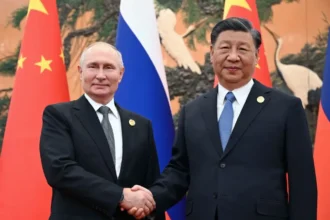
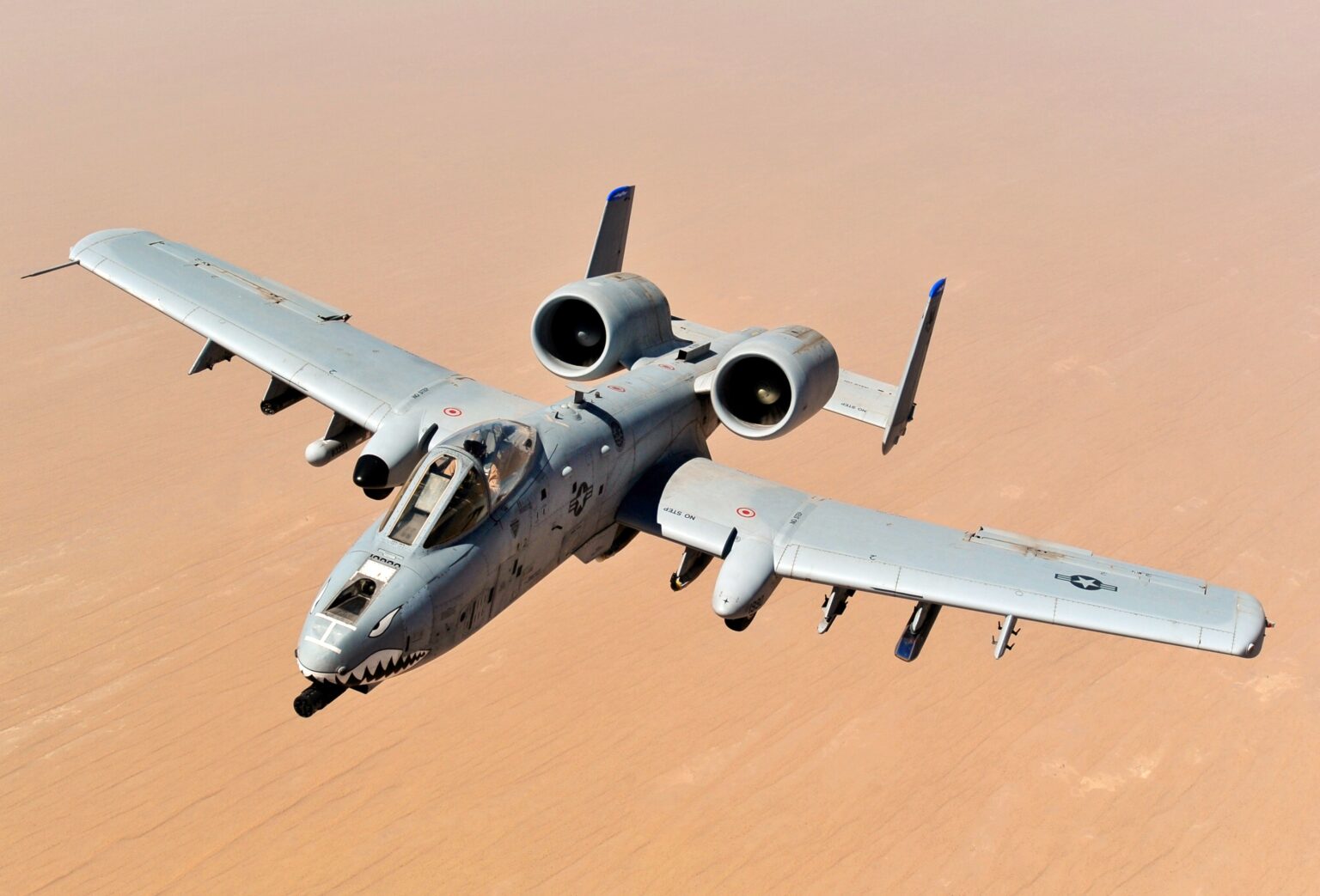
Brussels Morning analysis reflects a year of intense scrutiny as Trump military actions 2025 become a central topic in global security discussions. From Washington to world capitals, policymakers, analysts, and citizens have closely followed how the United States has used military force, deterrence, and strategic signaling during the year.
The renewed presidency of Donald Trump has brought a familiar but evolving approach to national defense. Emphasis on strength, rapid response, and visible deterrence has shaped how military decisions are communicated and perceived. While supporters argue that this posture reinforces stability, critics warn it risks escalation and strains international norms.

A strategy rooted in deterrence
At the core of Trump military actions 2025 is a deterrence first philosophy. The administration has repeatedly framed military moves as preventative measures designed to discourage adversaries from testing U.S. resolve. Officials emphasize that visible readiness and swift retaliation reduce the likelihood of prolonged conflict.
This approach relies heavily on precision operations, intelligence driven targeting, and strategic messaging. Rather than large scale troop deployments, the focus has been on targeted strikes, naval presence, and air power. Supporters say this limits long term entanglements while maintaining influence.
Continuity and change from earlier years
While many elements resemble past policies, Trump military actions 2025 also reflect changes shaped by global conditions. Rising geopolitical competition, ongoing regional conflicts, and evolving threats have influenced decision making.
Unlike earlier periods dominated by counterterrorism, the current environment places greater emphasis on state to state rivalry, maritime security, and protection of global trade routes. This shift has required balancing legacy operations with emerging priorities.

Legal and constitutional debates
One of the most debated aspects of Trump military actions 2025 involves questions of legal authority. Critics argue that expanded executive power in military decision making risks bypassing congressional oversight. Supporters counter that modern threats demand rapid response beyond traditional legislative timelines.
Legal scholars have pointed to ongoing tensions between the War Powers Resolution and contemporary warfare, where cyber operations, drone strikes, and limited engagements blur the definition of war. These debates have intensified throughout the year as operations receive global attention.
International reactions and alliances
Allies and partners have responded in varied ways to Trump military actions 2025. Some governments have welcomed a strong U.S. security posture, viewing it as a stabilizing force in volatile regions. Others have expressed concern about unilateral decisions and the risk of unintended escalation.
Diplomatic channels have remained active, with U.S. officials emphasizing coordination even when actions appear independent. The challenge has been aligning national security objectives with alliance expectations in an increasingly multipolar world.
Impact on global security dynamics
The broader impact of Trump military actions 2025 extends beyond individual operations. Markets, shipping lanes, and diplomatic negotiations often react quickly to signs of U.S. military movement. Even limited actions can influence oil prices, currency markets, and investor confidence.
Security analysts note that perception plays a critical role. The signaling effect of U.S. actions sometimes matters as much as their operational scale. This reality has made communication strategy a central component of defense policy.

Media coverage and public perception
Media coverage of Trump military actions 2025 has been intense and often polarized. Supportive outlets frame decisions as decisive leadership, while critical voices focus on humanitarian risk and international law. Social media has amplified both narratives, accelerating the spread of images and commentary.
Public opinion surveys suggest mixed reactions. Some Americans prioritize strength and deterrence, while others express fatigue with overseas military involvement. This divide reflects broader debates about the role of the United States in global affairs.
Technology and modern warfare
Advances in military technology have shaped Trump military actions 2025 in significant ways. Precision weapons, surveillance systems, and cyber capabilities allow for rapid engagement with reduced troop presence. Proponents argue this minimizes casualties and operational risk.
However, reliance on technology also raises ethical and strategic questions. Critics warn that lower perceived cost of action may increase the frequency of military use. Balancing capability with restraint remains a central challenge.
Economic and humanitarian considerations
Beyond strategy, Trump military actions 2025 carry economic and humanitarian implications. Military operations can disrupt local economies, displace civilians, and strain international aid systems. Human rights organizations have called for transparency and accountability in assessing impacts.
The administration maintains that minimizing civilian harm is a priority, pointing to precision targeting and intelligence review processes. Independent verification, however, remains a point of contention in public debate.
Domestic political consequences
Within the United States, Trump military actions 2025 have influenced political discourse. Defense spending, veteran support, and foreign policy priorities feature prominently in legislative discussions and media analysis.
For supporters, military assertiveness reinforces a narrative of national strength. For critics, it raises concerns about long term commitments and opportunity costs at home. These competing perspectives continue to shape domestic politics.
Strategic messaging to adversaries
A defining feature of Trump military actions 2025 is the emphasis on messaging. Statements from the White House and Pentagon often accompany operations, outlining intent and warning potential adversaries. This communication aims to deter further action without provoking escalation.
Analysts note that effectiveness depends on credibility and consistency. Mixed signals can undermine deterrence, while overly aggressive rhetoric risks miscalculation.
Comparison with previous administrations
Comparisons between Trump military actions 2025 and earlier administrations reveal both similarities and differences. Like predecessors, the administration relies on air and naval power. Unlike some periods, there is greater emphasis on rapid response and public signaling.
These distinctions reflect evolving threats and leadership style rather than a complete departure from established doctrine. Understanding this context is essential for evaluating long term impact.
Global governance and international law
International institutions have closely monitored Trump military actions 2025, particularly regarding compliance with international law. Debates continue over sovereignty, proportionality, and collective security mechanisms.
Some experts argue that existing frameworks struggle to address modern conflict realities. Others warn that weakening norms risks long term instability. The year has highlighted the tension between power politics and rule based order.
What comes next
As the year progresses, observers expect Trump military actions 2025 to continue influencing diplomatic, economic, and security landscapes. Future decisions will likely depend on global events, domestic politics, and evolving threat assessments.
The challenge for policymakers will be balancing deterrence with diplomacy, strength with restraint, and national interest with global responsibility.
In a year defined by uncertainty and competition, Trump military actions 2025 have become a focal point for debate about America’s role in the world. Supporters view them as necessary measures to protect national interests and deter aggression. Critics see risks of escalation and erosion of international norms.
What remains clear is that military decisions in 2025 have carried consequences far beyond the battlefield, shaping alliances, markets, and public discourse. How these actions are judged will depend not only on immediate outcomes but on their long term impact on global stability.