Syria | January 2026 — civilian safety Syria has emerged as a central concern once again as authorities intensify security measures in urban districts following renewed tensions. According to Brussels Morning Newspaper, the situation reflects the delicate balance between maintaining order and protecting civilians in a city still recovering from years of conflict.
Residents across several neighborhoods report increased patrols, checkpoints, and monitoring, underscoring how protection of non-combatants remains a priority amid lingering instability.
Why Civilian Protection Remains a Pressing Issue
More than a decade of war has left Syria’s cities deeply scarred. Infrastructure damage, displacement, and economic hardship continue to shape everyday life. Within this environment, civilian safety Syria remains a defining challenge, particularly in urban centers where population density magnifies risk.
Security analysts note that even localized incidents can quickly escalate in crowded neighborhoods, making preventive measures critical to avoiding wider harm.
Security Measures Expand Across Urban Areas
Authorities have deployed additional security personnel to key intersections, markets, and transport routes. These measures are designed to deter violence and reassure residents, though they also alter daily routines.
For many families, the emphasis on civilian safety Syria brings a sense of reassurance, even as checkpoints slow movement and increase scrutiny. Officials say the presence is intended to be proportional and responsive to conditions on the ground.
Impact on Daily Life and Mobility
Heightened security has affected how residents move through the city. Commuters face delays, and some commercial activity has slowed during peak patrol hours.
Despite inconvenience, many residents acknowledge that civilian safety Syria requires short-term disruption to prevent larger threats. Shop owners and transport workers say predictability and clear communication remain essential to maintaining trust.
Role of Local Communities in Protection
Community cooperation plays a significant role in maintaining stability. Local leaders often act as intermediaries between residents and authorities, helping to address concerns and prevent misunderstandings.
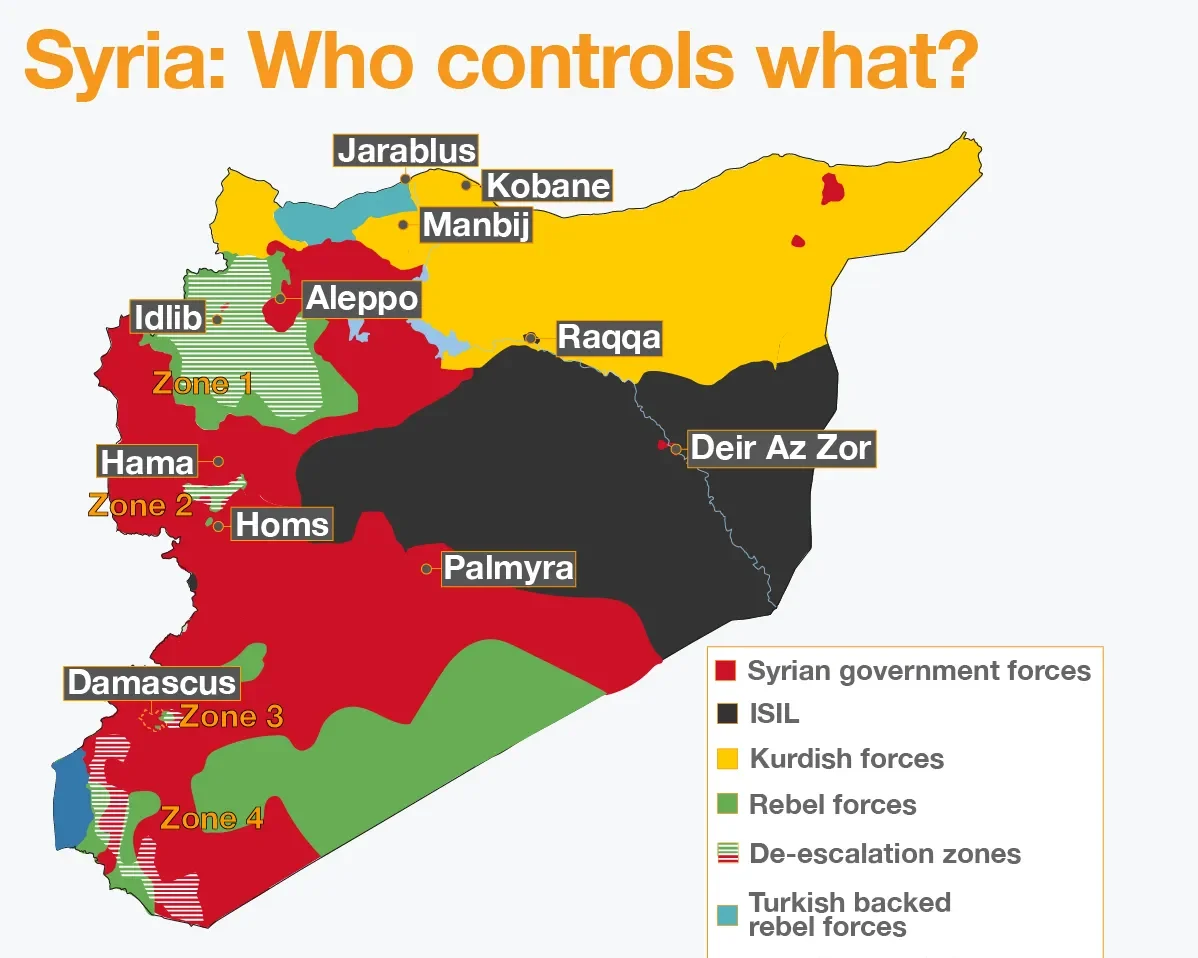
In neighborhoods across Aleppo, community engagement has become a key component of efforts to support civilian safety Syria, reinforcing the idea that protection extends beyond formal security forces.
Humanitarian Perspective on Civilian Protection
Humanitarian organizations stress that protection goes beyond physical security. Access to healthcare, education, and basic services is essential to safeguarding dignity and well-being.
Within the framework of civilian safety Syria, aid groups advocate for measures that minimize disruption to humanitarian access while ensuring residents remain protected from harm.
Children and Vulnerable Groups at Higher Risk
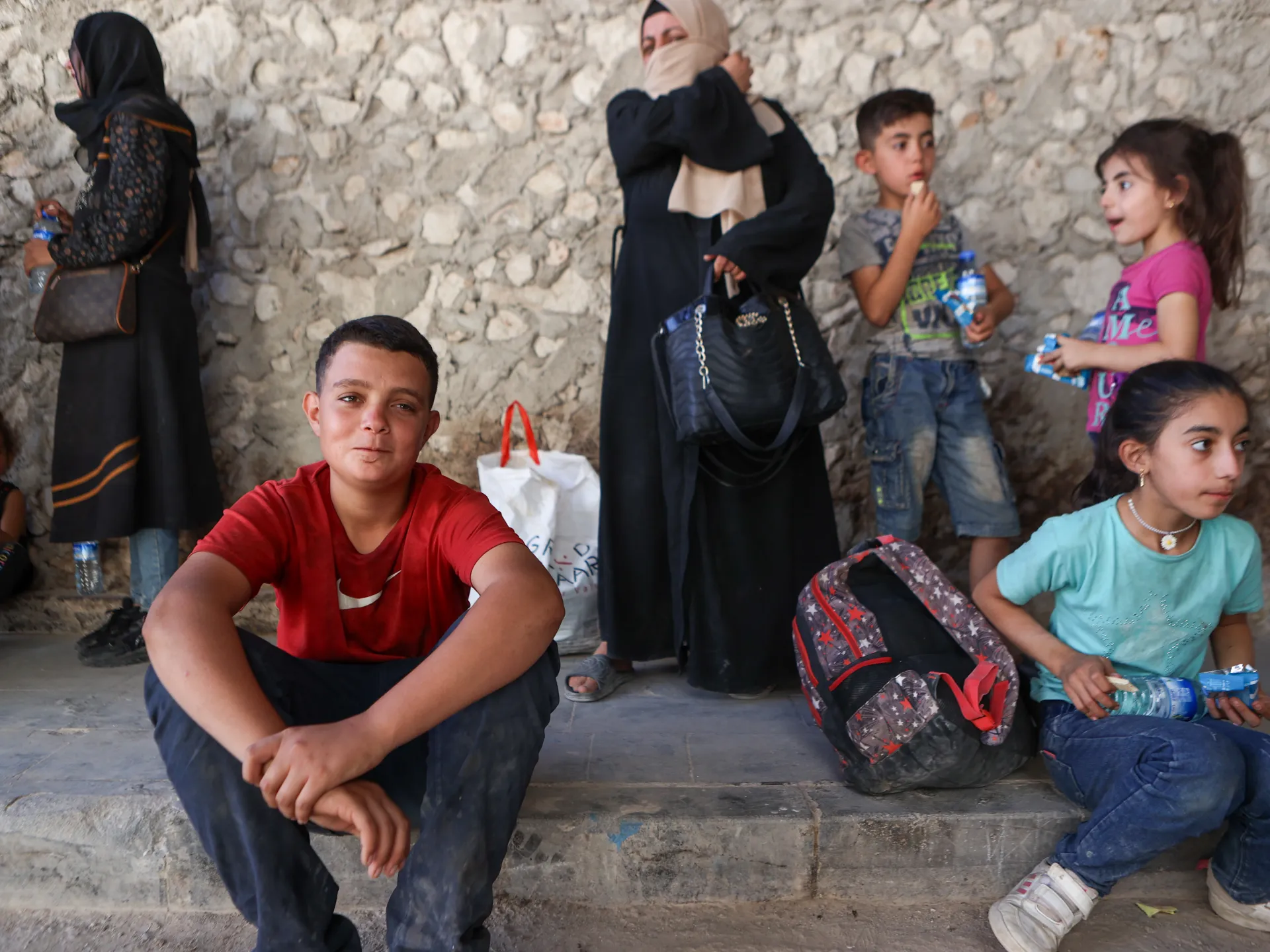
Children, elderly people, and those with disabilities face heightened risks during periods of insecurity. Limited mobility and dependence on caregivers increase their vulnerability.
Efforts to improve civilian safety Syria increasingly focus on identifying and supporting these groups, ensuring that security measures do not unintentionally place them at greater risk.
Economic Pressures Complicate Safety Efforts
Economic hardship continues to undermine stability. Rising prices and limited job opportunities increase stress on households, sometimes fueling tensions that threaten public order.
Analysts argue that civilian safety Syria cannot be fully addressed without parallel efforts to stabilize livelihoods and reduce economic desperation that can exacerbate insecurity.

Official Messaging and Public Assurance
Authorities have emphasized that security deployments are preventive and temporary. They say the goal is to protect residents and infrastructure while avoiding unnecessary escalation.
A local security official said,
“Our focus is to ensure residents can live without fear while maintaining normal life as much as possible.”
This remains the only official quote issued on the current security posture.
Balancing Security and Civil Liberties
Maintaining safety while respecting personal freedoms remains a delicate task. Residents have expressed concerns about prolonged restrictions and the impact on privacy.
Observers note that sustaining civilian safety Syria requires transparency, clear communication, and mechanisms for addressing grievances to prevent erosion of trust.
Regional Context of Urban Security
Aleppo’s experience reflects broader patterns across Syrian cities where authorities seek to prevent spillover from localized tensions. Urban security strategies are increasingly coordinated to protect densely populated areas.
In this context, civilian safety Syria has become a benchmark for evaluating the effectiveness of stabilization efforts nationwide.
Humanitarian Access and Safe Movement
Aid organizations emphasize the importance of maintaining humanitarian corridors and safe movement for civilians. Checkpoints and patrols must be managed to ensure that medical care and aid delivery continue uninterrupted.
Protecting civilian safety Syria includes ensuring that essential services remain accessible, particularly during heightened security operations.
Psychological Impact of Prolonged Insecurity
Living under constant security measures can take a psychological toll. Anxiety, stress, and fatigue are common among residents who have endured years of instability.
Mental health professionals say improving civilian safety Syria also requires addressing trauma and supporting community well-being alongside physical protection.
Monitoring and Accountability Mechanisms
Observers stress the importance of oversight and accountability in security operations. Clear rules of engagement and complaint mechanisms help ensure that protective measures remain proportionate.
Such safeguards are increasingly viewed as essential to sustaining civilian safety Syria without creating new sources of tension.
Prospects for Improved Stability
While challenges remain, some residents report cautious optimism that increased security could prevent further escalation. Stability, however, depends on consistent policy and community cooperation.
Long-term improvement in civilian safety Syria will likely require sustained investment in infrastructure, services, and reconciliation efforts.
International Attention on Civilian Protection
International organizations continue to monitor civilian protection in Syria, urging all parties to prioritize non-combatant safety and adhere to humanitarian principles.
Global attention reinforces the importance of civilian safety Syria as a core issue shaping perceptions of progress and recovery.
A City Seeking Normalcy
For many in Aleppo, the ultimate goal is a return to normal life where safety does not depend on extraordinary measures. Parents hope for uninterrupted schooling, workers for stable livelihoods, and families for peace of mind.
Ensuring civilian safety Syria remains central to these aspirations as communities navigate the long path from conflict toward recovery.
When Protection Shapes the Future
The current moment highlights how protection strategies influence not only immediate security but also long-term trust between citizens and institutions. The way safety is maintained today will shape Syria’s urban future for years to come.
As 2026 unfolds, the focus on protecting civilians will remain a defining test of Syria’s efforts to stabilize and rebuild.