

Everything You Need to Know About Christmas and Its Global Evolution
Christmas is one of the most recognizable and widely celebrated holidays in the world. Observed by billions of people across continents, cultures, and belief systems, it has grown far beyond its original religious meaning. Today, the Christmas global holiday represents family, generosity, reflection, and shared tradition, making it a unifying event in an increasingly diverse world.
What makes Christmas unique is its ability to adapt. From snow covered villages to tropical beaches, from churches to shopping centers, the holiday continues to evolve while maintaining familiar symbols and emotional significance. Understanding how Christmas reached this point requires exploring its origins, cultural transformations, and modern interpretations.
The Origins of Christmas
Christmas began as a Christian observance commemorating the birth of Jesus Christ. In early Christianity, the birth of Christ was not initially celebrated as a major event. Over time, December 25 became associated with the occasion, partly influenced by existing winter festivals that celebrated light and renewal during the darkest days of the year.
These early celebrations were quiet and focused on worship rather than festivity. As Christianity spread across Europe, local customs blended with religious practices. This fusion laid the groundwork for the holiday’s expansion and eventual transformation into the Christmas global holiday known today.
The Influence of Ancient Winter Festivals
Long before Christmas, civilizations celebrated the winter solstice. Ancient Romans observed Saturnalia, a festival marked by feasting, gift giving, and social role reversals. In Northern Europe, Yule celebrations honored nature, light, and survival through winter.
Many traditions from these festivals were absorbed into Christmas. Evergreen trees symbolized life, candles represented hope, and communal meals reinforced unity. This blending of traditions allowed Christmas to resonate with diverse cultures and helped shape the Christmas global holiday as a shared seasonal celebration.
How Christmas Spread Across the World
As European nations expanded through trade, exploration, and migration, Christmas traveled with them. Missionaries introduced the holiday to new regions, while settlers adapted it to local environments and cultures.
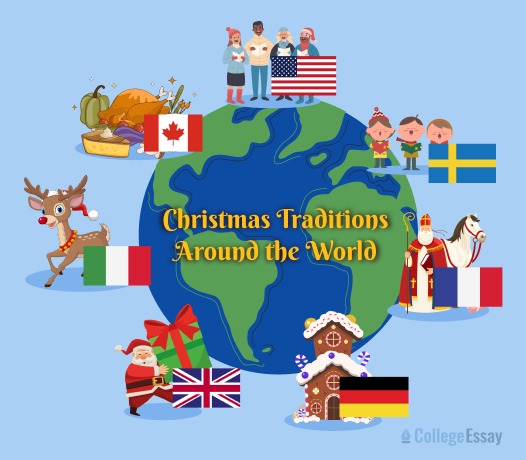
In warmer climates, Christmas shifted away from winter imagery toward outdoor gatherings and seasonal foods. In Asia and parts of Africa, Christmas became more cultural than religious, emphasizing family and community. These adaptations highlight how the Christmas global holiday thrives through flexibility rather than uniform tradition.
Religious Significance Today
For millions of Christians, Christmas remains a deeply spiritual observance. Church services, nativity scenes, and prayer continue to define the holiday’s meaning. These practices emphasize themes of humility, hope, and compassion.
At the same time, many people who do not practice Christianity still participate in Christmas traditions. This coexistence allows the Christmas global holiday to serve both sacred and secular roles, making it inclusive while preserving its historical roots.
The Development of Modern Christmas Traditions
Many traditions associated with Christmas today emerged during the 18th and 19th centuries. Decorated Christmas trees gained popularity in Europe, while greeting cards, festive meals, and gift exchanges became common.
Literature and media played a major role in shaping modern Christmas imagery. Stories emphasizing kindness and generosity helped define the emotional tone of the holiday. These influences contributed to the widespread recognition of the Christmas global holiday across cultures.
Christmas Food Traditions Around the World
Food plays a central role in Christmas celebrations, reflecting local customs and seasonal ingredients. In some regions, large feasts are prepared, while others emphasize simple, symbolic meals.
Whether it is roasted meats, seafood, baked goods, or vegetarian dishes, Christmas food traditions bring families together. These meals reinforce the communal nature of the holiday and show how the Christmas global holiday adapts to cultural preferences while maintaining its focus on togetherness.
Decorations and Seasonal Symbols
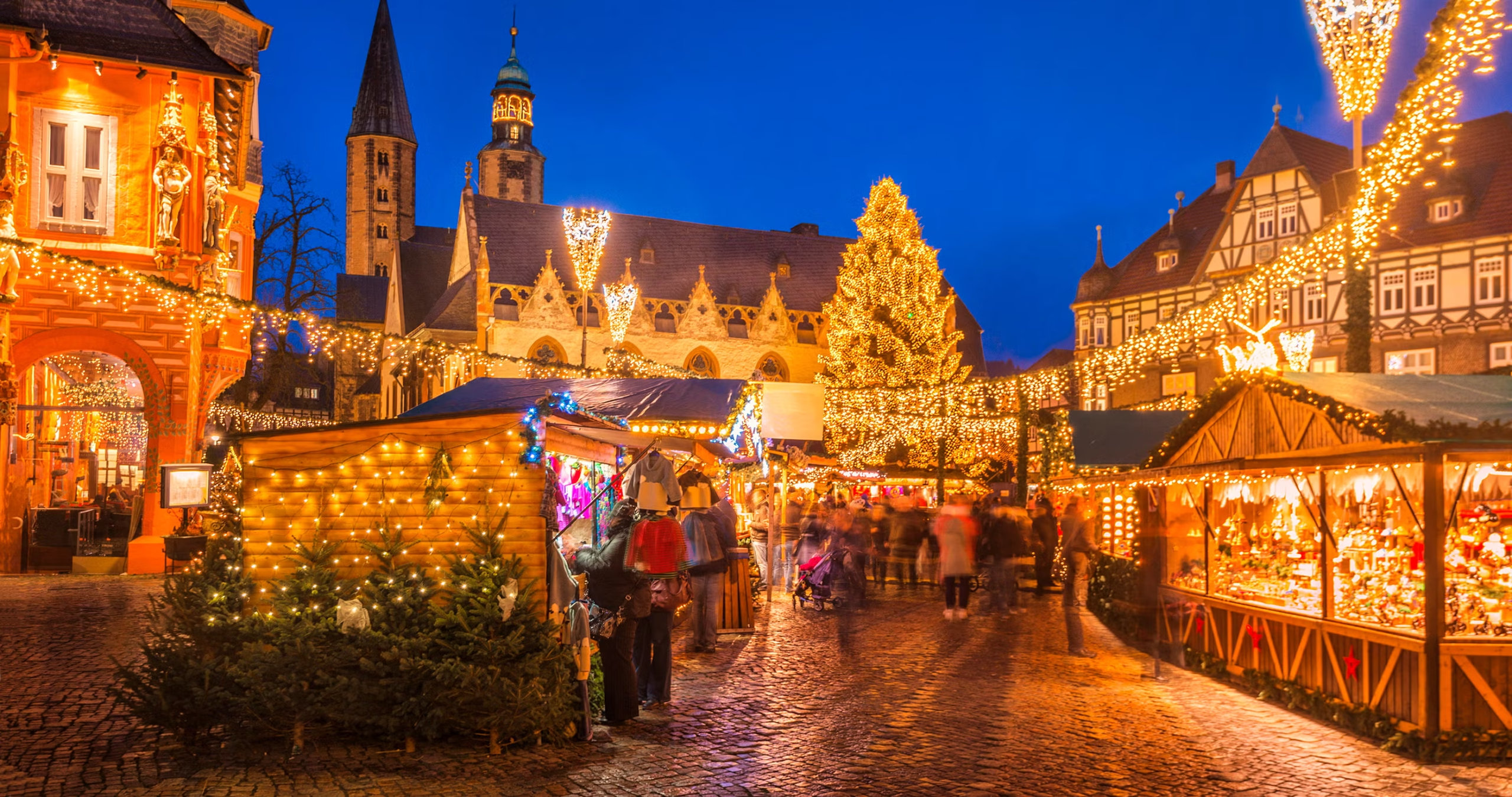
Christmas decorations are among the most visible expressions of the holiday. Trees, lights, ornaments, wreaths, and nativity displays transform homes and public spaces.
Although decoration styles vary globally, the symbolism remains consistent. Light represents hope, greenery symbolizes life, and festive displays create warmth during darker seasons. These shared symbols help define the visual identity of the Christmas global holiday.
The Evolution of Gift Giving
Gift giving has ancient roots tied to both religious stories and seasonal customs. Over time, it became one of the most anticipated aspects of Christmas.
In modern celebrations, gifts often represent appreciation and emotional connection rather than obligation. This tradition reinforces the spirit of generosity that lies at the heart of the Christmas global holiday, reminding people that meaningful gestures matter more than material value.
The Role of Commerce in Christmas
Commercialization has had a significant impact on Christmas. Retail promotions, advertising, and seasonal marketing shape how the holiday is experienced in many countries.
While critics argue that commercialization distracts from the holiday’s meaning, it has also contributed to its global spread. The Christmas global holiday now exists at the intersection of culture and commerce, shaped by both personal values and economic activity.
Christmas in the Digital Age
Technology has transformed modern Christmas celebrations. Video calls allow families to connect across distances, online shopping simplifies gift giving, and digital greetings replace traditional cards.
These changes reflect broader shifts in communication and lifestyle. Despite these evolutions, the emotional core of the Christmas global holiday remains intact, proving its ability to adapt to modern life.
Why Christmas Remains Relevant Worldwide
The lasting appeal of Christmas lies in its universal themes. Love, generosity, hope, and renewal resonate across cultures and belief systems.
By embracing both tradition and change, the Christmas global holiday continues to unite people in meaningful ways. Its adaptability ensures that each generation can reinterpret the holiday while preserving its essence.
Christmas has evolved from a modest religious observance into a truly global celebration. Its journey reflects humanity’s ability to adapt traditions while maintaining shared values.
Understanding the origins, evolution, and cultural significance of Christmas helps explain why it continues to thrive. The Christmas global holiday stands as a reminder that connection, kindness, and celebration can transcend borders and time.