Beijing, China – January, 2026: China’s political establishment is confronting a defining moment as internal power shifts ripple through the upper ranks of the ruling system. Analysts say the current environment reflects a China leadership crisis that is reshaping governance behavior, elite relationships, and long-term strategic planning at the heart of the Chinese Communist Party.
Beijing Marks a Turning Point in China’s Political Stability
For decades, Beijing projected an image of tightly managed continuity. That perception is now under strain. Senior officials describe a capital gripped by caution, where decision-making has slowed and political signaling has become increasingly deliberate. The atmosphere reflects a second phase of the China leadership crisis, one in which stability is no longer assumed but actively managed through restraint and discipline.
Meetings are shorter, statements more carefully worded, and internal communication tightly controlled. The goal, according to observers, is to prevent uncertainty from spreading beyond elite circles.
Leadership Shakeup Signals Deepening Internal Tensions
The sudden removal of a senior political figure once viewed as secure sent shock-waves across the system. The move challenged long-standing assumptions about loyalty and protection within elite circles. Analysts say this moment exposed the structural depth of the China leadership crisis, revealing how quickly political fortunes can shift.
In the aftermath, officials across ministries adopted a noticeably lower profile, focusing on procedural compliance rather than policy ambition.
Centralization of Power Redefines Governance Structure
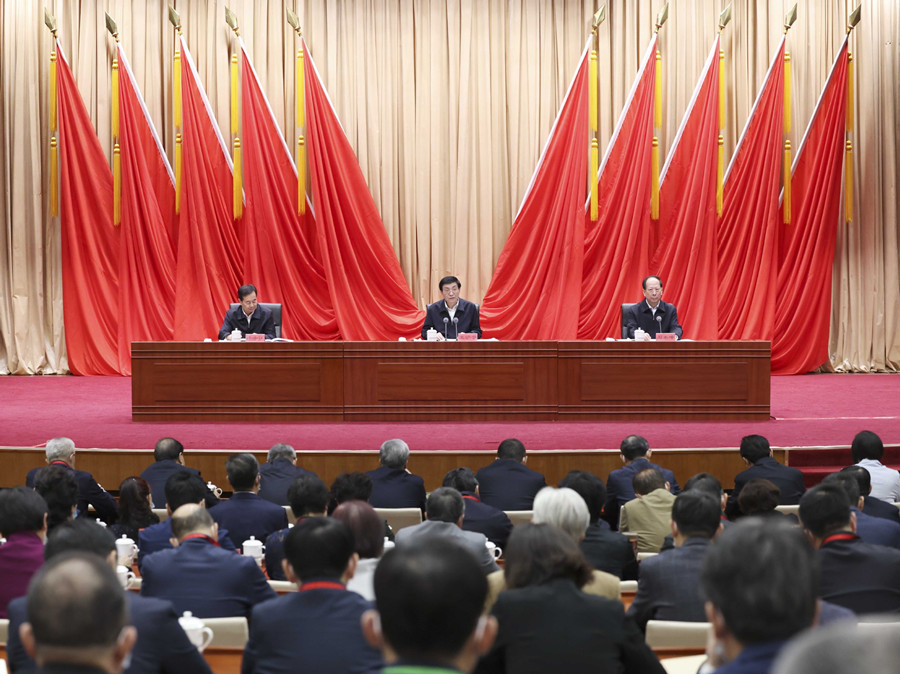
Governance in China has undergone a profound transformation over the past decade. Authority has increasingly moved upward, reducing the autonomy of institutions that once played balancing roles. This consolidation has become a defining feature of the China leadership crisis, altering how policies are debated, approved, and enforced.
Central bodies now exercise closer oversight over economic planning, personnel decisions, and regional administration, reshaping the internal architecture of power.
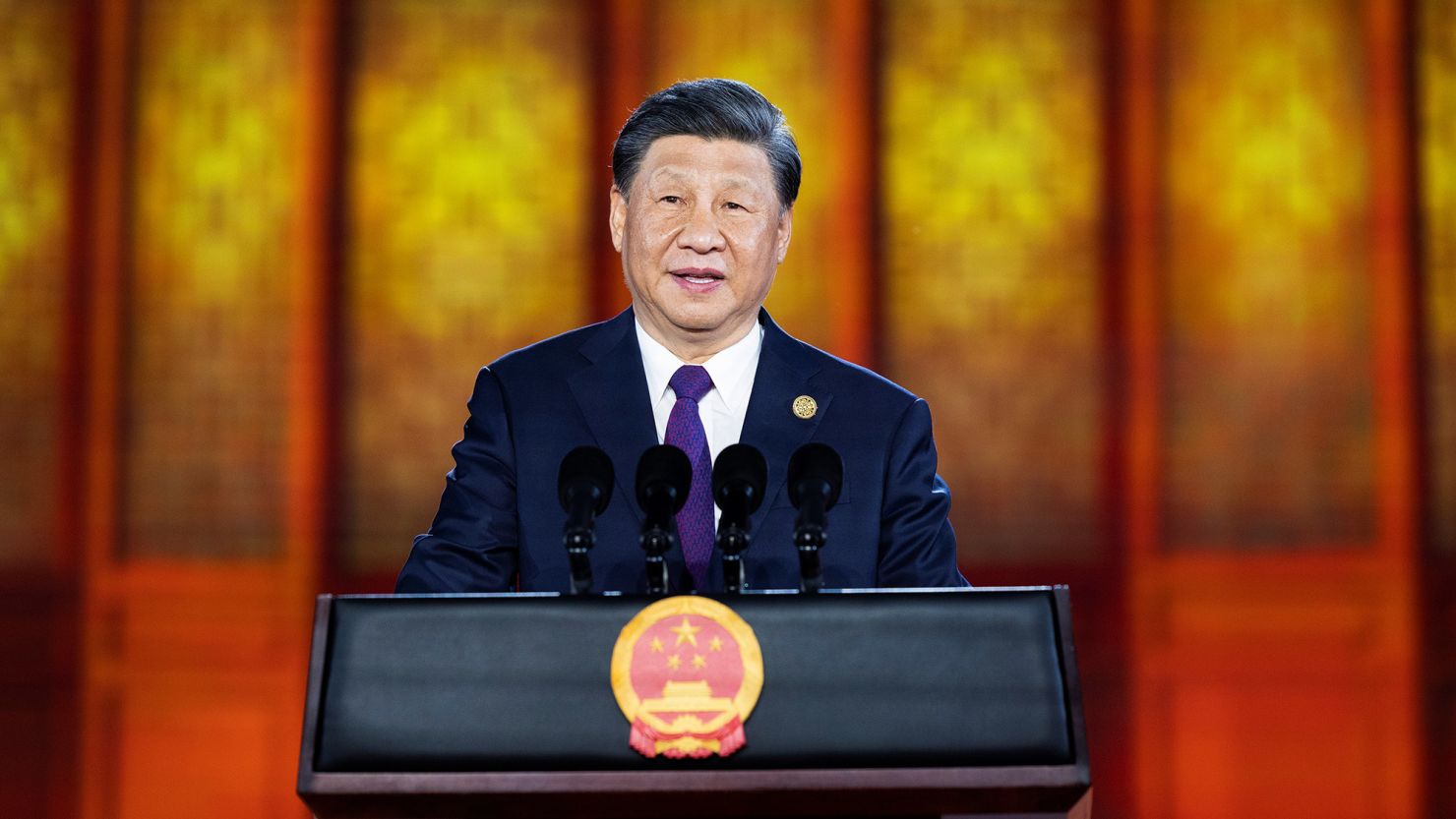
Xi Jinping’s Authority and the New Political Order
At the center of this evolving system stands Xi Jinping, whose leadership philosophy emphasizes unity, ideological discipline, and centralized command. Supporters argue this approach strengthens national coherence during uncertain times. Critics counter that it has intensified the China leadership crisis by narrowing the space for internal debate and shared accountability.
This model has redefined political advancement and reshaped expectations across the governing class.
Loyalty Becomes the Core Standard for Political Survival
Political behavior inside China’s bureaucracy has changed markedly. Demonstrated loyalty now outweighs technical expertise or innovation. Officials prioritize alignment with central directives, often avoiding initiatives that could attract scrutiny. Analysts say this shift reinforces the China leadership crisis, encouraging caution at the expense of responsiveness.
The result is a governance culture focused on risk avoidance rather than problem-solving.
Elite Anxiety Grows Across Party Ranks
Uncertainty has become a defining feature of elite politics. Senior cadres privately express concern about unclear boundaries and shifting expectations. This anxiety reflects another layer of the China leadership crisis, as confidence in predictable career paths erodes.
The psychological impact of uncertainty has altered how officials communicate, collaborate, and plan for the future.
Economic Pressures Intensify Leadership Challenges
China’s political adjustments are unfolding amid economic headwinds, including slower growth, property market stress, and global trade volatility. These pressures intersect directly with the China leadership crisis, raising the stakes for policymakers attempting to balance stability with reform.
Economic actors closely watch political signals from Beijing, viewing leadership clarity as essential to confidence and investment.
Policy Decision Making Slows Amid Political Caution
Across government institutions, decision-making has become more deliberate and often slower. Large-scale initiatives face additional layers of review, and pilot programs are less common. Analysts warn that this pattern deepens the China leadership crisis, as institutional hesitation limits the state’s ability to respond swiftly to emerging challenges.
Governance efficiency is increasingly sacrificed for political safety.
Provincial Governments Respond to Heightened Oversight
Provincial administrations, once known for policy experimentation, now operate under tighter central supervision. Local leaders prioritize compliance with national directives over regional innovation. This shift is widely seen as a consequence of the China leadership crisis, reducing flexibility within the system.
Economic momentum in some regions has slowed as a result.
Military Leadership Adjusts to Centralized Command
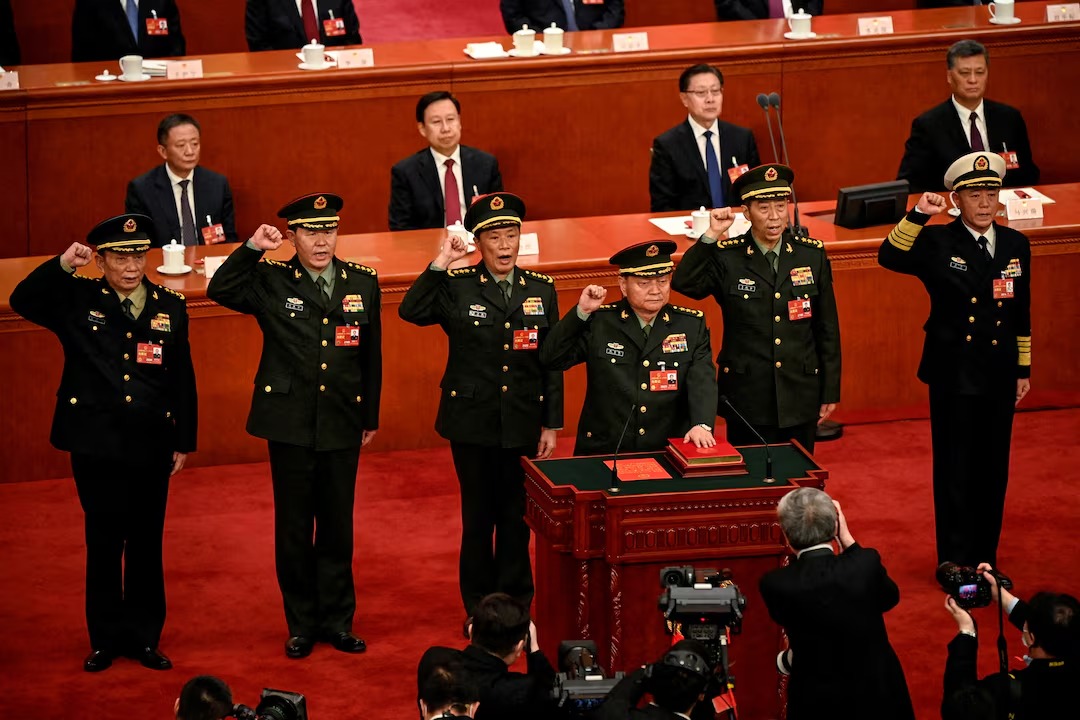
China’s military remains outwardly disciplined, but leadership dynamics influence strategic planning. Analysts note that centralized command has narrowed internal debate within defense circles. The China leadership crisis has reinforced top-down decision-making, emphasizing unity over deliberation during sensitive security moments.
Strategic caution now defines military governance.
Technology and Data Control Tighten Under Political Priorities
Technology governance has become closely linked to political stability. Oversight of data, artificial intelligence, and digital platforms has intensified, reflecting concerns about control and influence. Observers view this trend as another dimension of the China leadership crisis, where technological independence is evaluated through a political lens.
Innovation continues, but within clearly defined boundaries.
Public Information Management in a Sensitive Political Climate
Public discussion of elite politics remains tightly managed. Online platforms are closely monitored, and narratives are carefully framed to preserve confidence. Managing perception has become a key challenge associated with the China leadership crisis, testing the balance between transparency and stability.
Authorities aim to limit speculation while reinforcing trust in governance.
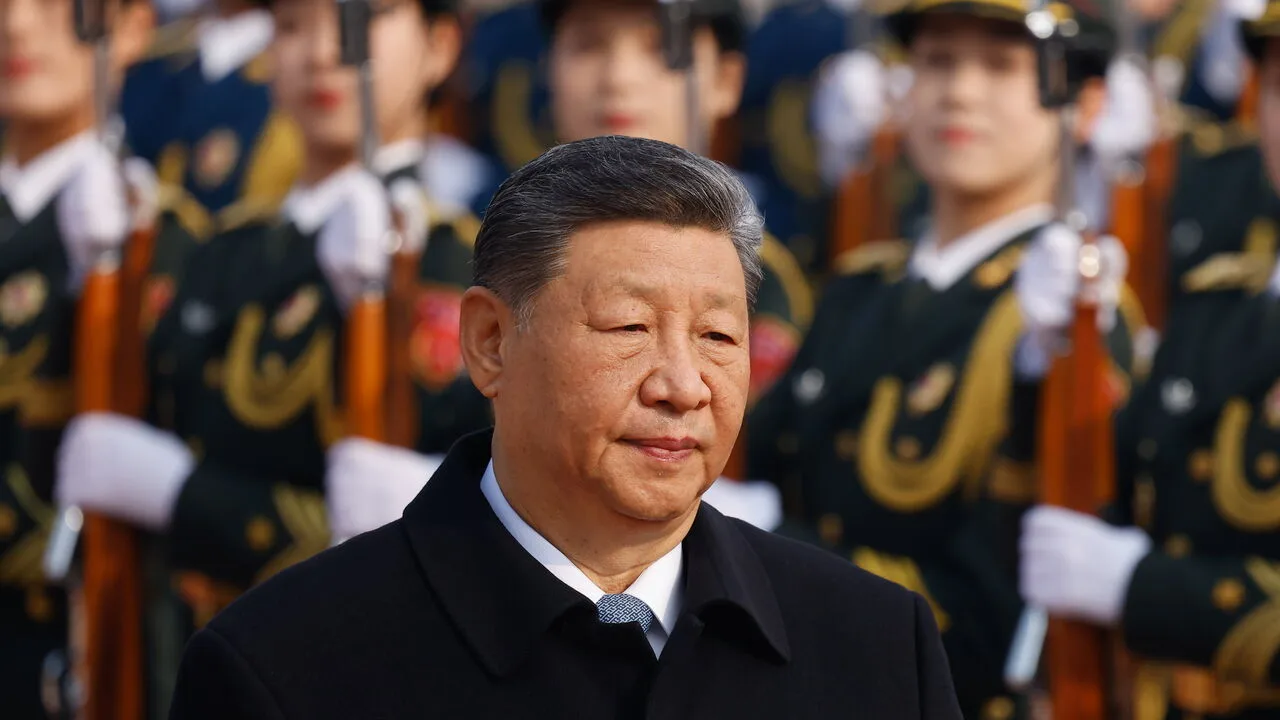
Foreign Governments Reassess Relations With Beijing
International partners are closely tracking developments in Beijing. Diplomats say the China leadership crisis complicates long-term engagement by introducing uncertainty around policy continuity. Trade negotiations, climate commitments, and security dialogues increasingly factor in concerns about leadership stability.
Predictability has become a central diplomatic concern.
Global Markets React to Political Uncertainty in China
Financial markets respond rapidly to political signals from Beijing. Episodes linked to leadership shifts have contributed to volatility as investors reassess exposure. The China leadership crisis has heightened sensitivity to official messaging, making political clarity a key economic variable.
Market confidence now depends heavily on perceptions of stability at the top.
Historical Shift Away From Collective Leadership Norms
China’s post-reform political system emphasized collective leadership to prevent excessive concentration of power. Historians argue the current moment represents a departure from that model. The China leadership crisis reflects the culmination of a long transition toward centralized authority.
This shift has permanently altered governance expectations.
Ideological Discipline Shapes the Current Power Structure
Ideological campaigns now play a central role in governance. Loyalty and conformity are emphasized across institutions, shaping promotion and accountability. Analysts say this emphasis reinforces the China leadership crisis, as ideology increasingly outweighs technical competence in leadership evaluation.
The system prioritizes cohesion over diversity of thought.
Expert Analysis Highlights Systemic Governance Stress
One senior Asia-based political analyst said,
“What we are witnessing is a system tightening control to manage uncertainty, even as that uncertainty becomes a defining feature of governance.”
The comment underscores the broader implications of the current political moment.
Unclear Policy Direction Raises Long-Term Concerns
As authority consolidates, predicting policy outcomes has become more difficult. Some analysts believe tighter control may deliver short-term stability. Others warn that unresolved tensions linked to the China leadership crisis could surface later as governance challenges.
The long-term balance remains uncertain.
Regional Security and Diplomatic Implications Emerge
China’s internal political adjustments extend beyond its borders. Neighboring states and global institutions assess how leadership uncertainty may influence regional security and cooperation. The China leadership crisis has become a factor in strategic planning across Asia.
Internal politics now carry external consequences.
International Institutions Monitor China’s Political Trajectory
Multilateral organizations and financial institutions closely follow Beijing’s political direction. Leadership stability plays a role in global risk assessments related to growth, trade, and security. The China leadership crisis has entered international policy calculations.
China’s governance choices resonate globally.
Beijing Faces Strategic Choices in a Changing Power Era
As 2026 unfolds, Beijing stands at a crossroads. Authorities must balance control with adaptability while maintaining confidence at home and abroad. How the China leadership crisis evolves will shape China’s political trajectory for years to come.
This period will be remembered as a defining chapter in the evolution of modern Chinese governance.