Sudan’s humanitarian crisis has reached a devastating scale as violence continues across major population centers and rural regions alike. International organizations warn that civilians are enduring extreme hardship, with access to food, healthcare, and shelter rapidly deteriorating. In response, global leaders have renewed urgent calls for a halt to the fighting, emphasizing that the ceasefire Sudan war is no longer optional but essential to preventing further catastrophe.
The renewed appeal reflects growing alarm that prolonged conflict will permanently damage Sudan’s social fabric and destabilize the wider region. Civilians remain trapped amid fighting, facing hunger, displacement, and insecurity with little protection.
Escalating Humanitarian Emergency
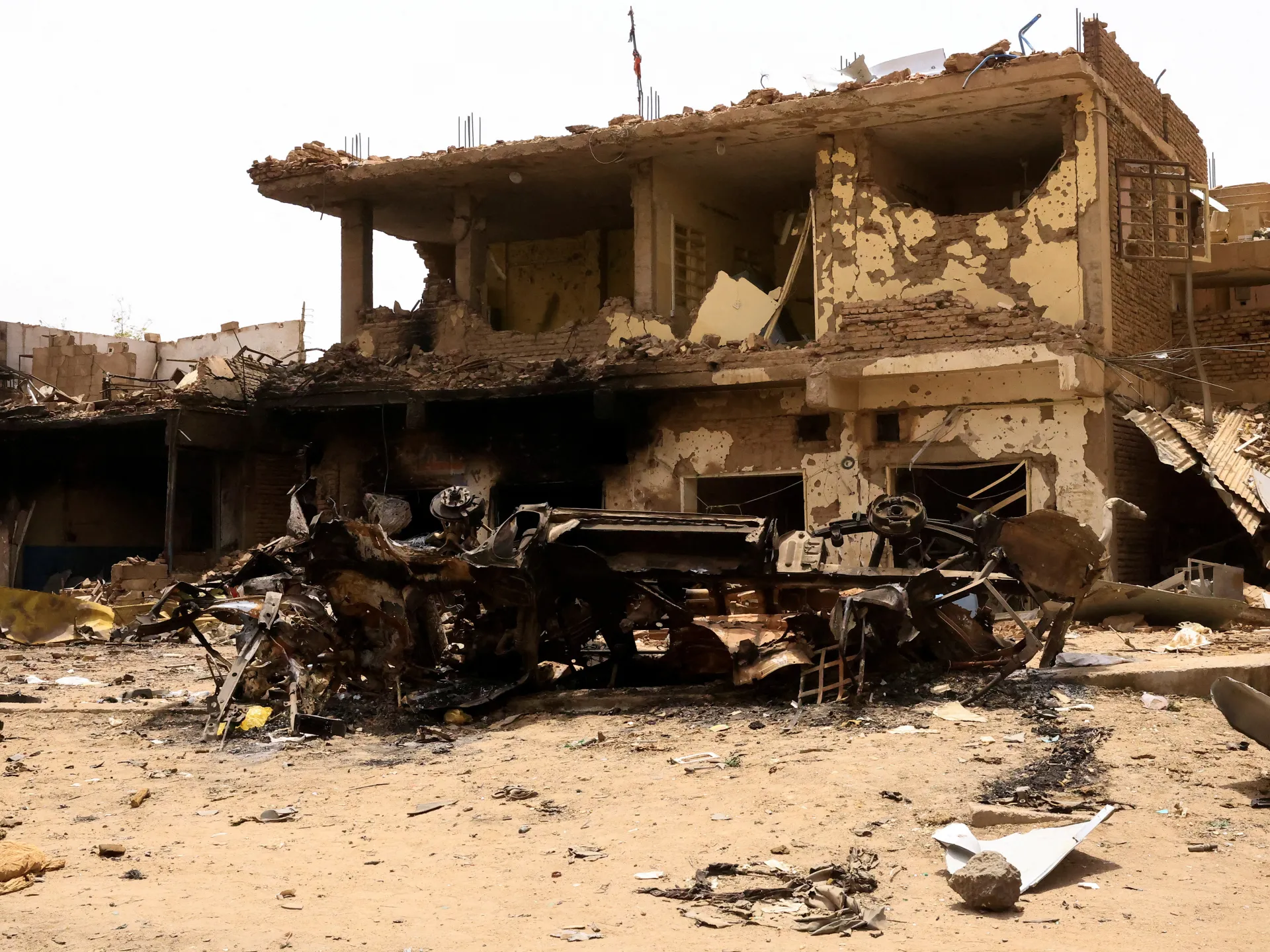
Entire communities have been devastated by months of violence. Homes have been destroyed, markets disrupted, and public infrastructure damaged. Aid agencies report that millions now rely on emergency assistance, yet access remains dangerously limited due to ongoing hostilities.
When international officials emphasize the ceasefire Sudan war, they are responding to evidence that humanitarian systems are stretched beyond capacity. Without a pause in fighting, relief efforts cannot reach those most in need.
Civilians Caught in the Crossfire
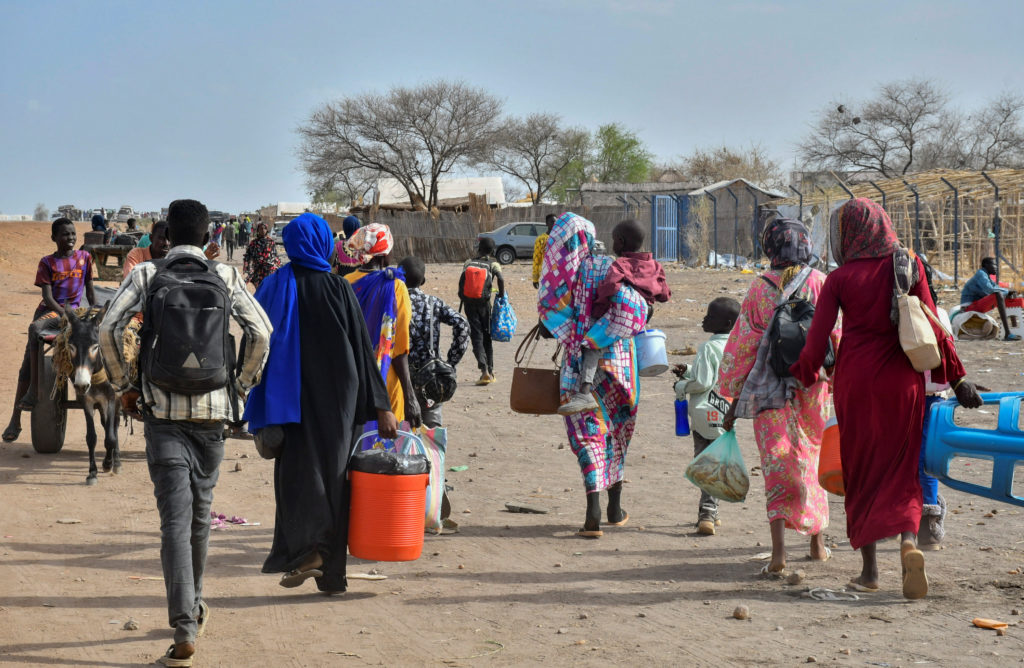
Civilians continue to bear the brunt of the conflict. Families flee with little notice, often carrying only what they can manage on foot. Many have sought refuge in overcrowded shelters or crossed borders into neighboring countries.
The renewed ceasefire Sudan war appeal highlights the obligation under international law to protect noncombatants. Continued violence only deepens trauma and displacement, creating long-term consequences for Sudanese society.
Collapse of Health Services
Sudan’s healthcare system is on the verge of total collapse. Hospitals report shortages of medicine, electricity, and trained staff. In some areas, medical facilities have been forced to close entirely due to insecurity.
Calls for a ceasefire Sudan war are driven by fears that preventable deaths will continue to rise unless fighting stops. Disease outbreaks loom as sanitation systems fail and vaccination programs are disrupted.
Worsening Hunger and Food Insecurity
Food insecurity has reached alarming levels. Agricultural activity has been interrupted, supply chains disrupted, and prices driven beyond the reach of ordinary families. Children and elderly people are especially vulnerable to malnutrition.
The ceasefire Sudan war appeal seeks to open humanitarian corridors that would allow food aid and nutrition support to reach isolated populations before famine conditions worsen.
United Nations Warnings
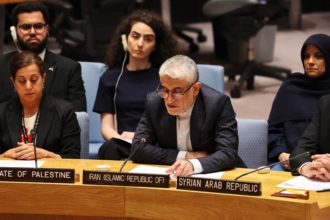
Officials from the United Nations have repeatedly warned that Sudan is approaching a humanitarian breaking point. Diplomats continue to push for negotiations, but progress has been slow and fragile.
By renewing the ceasefire Sudan war appeal, UN leaders stress that diplomacy and restraint are the only viable paths toward protecting civilians and stabilizing the country.
Voices From Affected Communities
Civilians living through the conflict describe constant fear, shortages of essential supplies, and uncertainty about survival. Communication outages and damaged infrastructure leave many cut off from assistance.
The ceasefire Sudan war call aims to amplify these voices and remind the international community that behind political negotiations are millions of people facing daily suffering.
Impact on Children and Education
Children have been disproportionately affected by the conflict. Schools have closed or been destroyed, disrupting education for millions. Many children experience trauma, displacement, and increased risk of exploitation.
Advocates stress that a ceasefire Sudan war is vital to protecting children, restoring education, and preventing irreversible damage to an entire generation.
Regional Consequences
Sudan’s instability has consequences far beyond its borders. Refugee flows into neighboring countries place strain on fragile economies and social systems. Regional security concerns are also rising.
The ceasefire Sudan war appeal underscores that the crisis is not confined to Sudan alone but represents a broader regional challenge requiring coordinated action.
Human Rights Concerns
Human rights organizations have documented alleged violations, including attacks on civilians and destruction of civilian infrastructure. Calls for accountability are increasing as evidence mounts.
Renewed emphasis on the ceasefire Sudan war is accompanied by demands that all parties respect international humanitarian law and protect civilians.
Barriers to Peace
Despite repeated calls for restraint, achieving a lasting ceasefire remains difficult. Deep mistrust, fragmented command structures, and competing interests complicate negotiations.
Even so, international mediators insist that a ceasefire Sudan war remains the most urgent step toward reducing suffering and creating space for dialogue.
Challenges for Humanitarian Aid
Aid workers face extraordinary risks delivering assistance. Insecurity, damaged roads, and bureaucratic barriers limit operations. Many relief missions have been suspended due to safety concerns.
By pressing for a ceasefire Sudan war, international leaders seek to secure safe access for humanitarian teams and ensure aid reaches civilians.
Diplomatic Efforts Continue
Regional and global actors continue diplomatic efforts aimed at bringing the parties back to negotiations. Sanctions, mediation, and pressure mechanisms are under discussion.
The ceasefire Sudan war appeal forms a central part of these efforts, signaling that continued violence will only deepen Sudan’s crisis.
Economic and Social Impact
Beyond immediate humanitarian needs, the conflict is inflicting long-term economic damage. Livelihoods have been destroyed, trade disrupted, and public services degraded.
Without a ceasefire Sudan war, recovery will become increasingly difficult, prolonging instability for years to come.
Public Expectations and Accountability
Public opinion within Sudan and internationally increasingly favors accountability and protection of civilians. Many view the renewed appeals as a test of the international community’s commitment.
The ceasefire Sudan war has become a benchmark for whether global institutions can act decisively in the face of mass suffering.
Possible Path Forward
Experts say even a temporary halt in fighting could provide critical relief. A pause would allow aid delivery, repairs to infrastructure, and renewed peace talks.
The persistence of the ceasefire Sudan war appeal reflects determination to keep diplomatic efforts alive despite repeated setbacks.
Historical Roots of Sudan’s Conflict
To understand the current crisis, it is important to recognize Sudan’s long history of political instability and armed conflict. Decades of power struggles, economic inequality, and regional marginalization have created deep divisions within the country. Repeated cycles of violence weakened institutions and eroded public trust long before the most recent fighting erupted.
These unresolved tensions contributed to fragile governance structures that struggled to manage transitions of power. When conflict resurfaces in such environments, civilians often become the primary victims, caught between armed groups competing for control rather than public welfare.
Breakdown of Civil Administration
Beyond the immediate destruction caused by fighting, civil administration has largely collapsed in many areas. Local governments struggle to function, courts are inaccessible, and basic public services have stopped operating. This breakdown has left communities without legal protection or administrative support.
Without functioning institutions, disputes over land, resources, and security are increasingly settled through force. This environment fuels further instability and makes recovery far more difficult even if violence subsides.
Psychological Toll on Civilians
The humanitarian crisis is not limited to physical suffering. Prolonged exposure to violence has taken a heavy psychological toll on civilians. Many residents report chronic anxiety, depression, and trauma related to constant fear and uncertainty.
Mental health services are extremely limited, leaving trauma largely untreated. Children exposed to conflict face long term emotional and developmental challenges that can affect education, social relationships, and future economic prospects.
Risks to Women and Vulnerable Groups
Women and vulnerable populations face heightened risks during periods of conflict. Displacement increases exposure to exploitation, gender based violence, and economic hardship. Access to maternal healthcare and reproductive services has declined sharply.
Humanitarian organizations warn that these risks intensify as conflict drags on and social safety nets collapse. Addressing these issues requires not only immediate relief but long term commitments to protection and recovery.
Environmental and Infrastructure Damage
The conflict has also inflicted severe environmental damage. Water systems have been destroyed or contaminated, agricultural land abandoned, and waste management disrupted. These conditions raise the risk of disease outbreaks and undermine food production.
Infrastructure damage extends beyond housing. Roads, bridges, and power systems have been hit, limiting mobility and isolating communities. Even after fighting ends, rebuilding this infrastructure will take years and significant international support.
Role of Regional Mediation
Regional organizations have attempted to mediate dialogue between conflicting parties, recognizing that instability in Sudan affects neighboring countries. Refugee flows, trade disruptions, and security concerns have made the crisis a regional priority.
While mediation efforts face obstacles, sustained regional engagement remains critical. Peace processes that exclude local and regional stakeholders often fail to address underlying drivers of conflict.
Importance of Long Term Commitment
Short term humanitarian responses alone will not resolve Sudan’s crisis. Long term commitments to governance reform, economic recovery, and social reconciliation are essential. Rebuilding trust between communities and institutions will require inclusive political processes and accountability.
International partners face a critical choice between episodic engagement and sustained support. History shows that fragile post conflict environments relapse into violence when long term recovery is neglected.
Looking Ahead
As global attention shifts rapidly between crises, Sudan risks being forgotten despite the scale of suffering. Continued awareness, diplomatic engagement, and humanitarian funding are essential to prevent further deterioration.
The outcome of this crisis will shape Sudan’s future for generations. Whether the country moves toward recovery or deeper instability depends largely on sustained international engagement and meaningful political solutions.