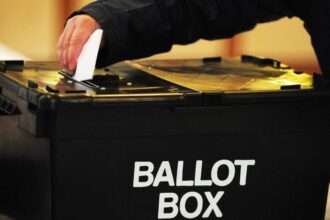

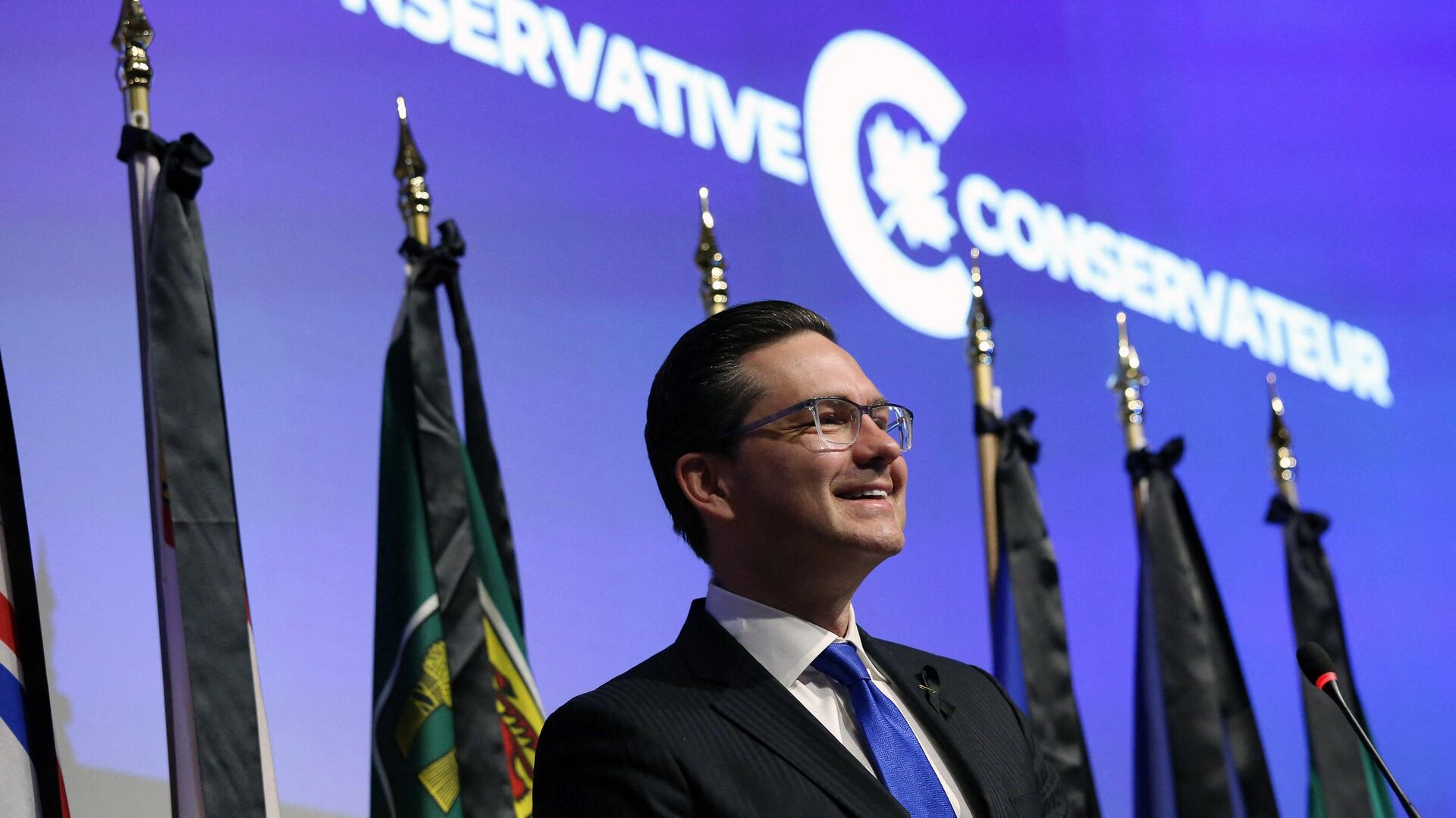
Ottawa, January 31 2026 — According to Brussels Morning Newspaper, that Canada opposition politics has taken on renewed significance following a decisive internal vote by the Conservative Party to retain Pierre Poilievre as leader, a move that underscores the party’s preference for continuity during a period of economic uncertainty and political polarization. The outcome highlights how opposition leadership decisions are increasingly viewed as strategic tools rather than internal housekeeping exercises.
The vote comes at a time when public trust in political institutions is under strain, and opposition parties face growing pressure to present a credible alternative to the governing Liberals.
The Institutional Role of the Opposition in Canada
In Canada’s parliamentary system, the official opposition holds a constitutionally significant role. Beyond opposing government legislation, it is tasked with scrutinizing public spending, questioning executive authority, and offering alternative policy visions.
Within Canada opposition politics, leadership continuity can determine how effectively these responsibilities are carried out. A stable leadership structure allows opposition parties to focus on governance issues rather than internal divisions.
How Leadership Reviews Shape Political Momentum
Leadership reviews are embedded in party rules as mechanisms for accountability. While often routine, their outcomes can have far-reaching implications.
Political analysts note that in Canada opposition politics, leadership challenges can weaken public confidence if they appear reactive or disorganized. Conversely, decisive leadership votes may signal readiness for national leadership.
Economic Pressures Driving Opposition Strategy
Rising living costs, housing shortages, and concerns over fiscal management have become dominant themes in parliamentary debate. Opposition leaders have sought to position themselves as defenders of affordability and accountability.
As a result, Canada opposition politics increasingly revolves around economic messaging, with leaders attempting to translate voter frustration into political momentum.
Parliamentary Tactics and Legislative Engagement
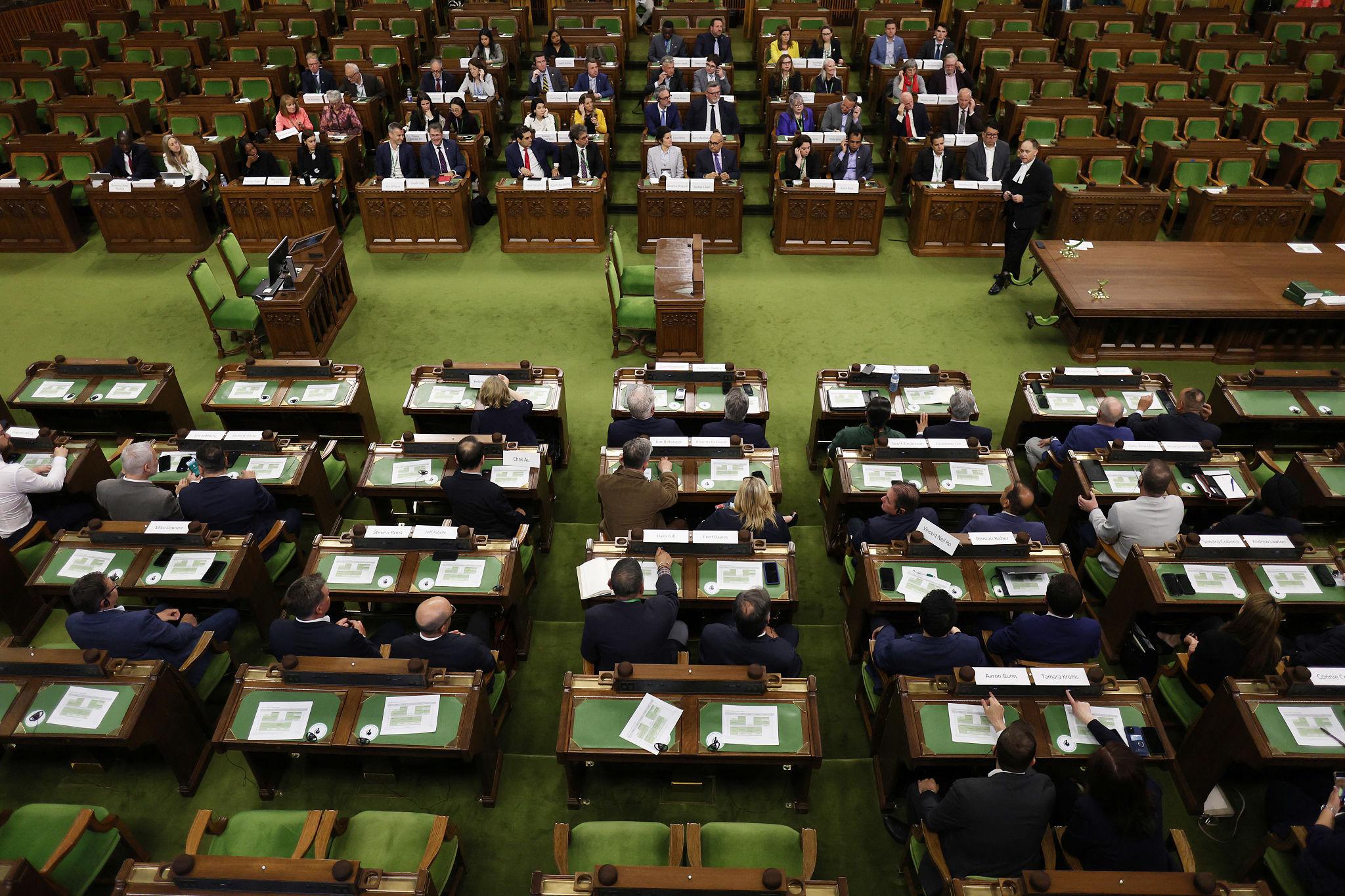
Opposition effectiveness is measured not only by rhetoric but also by legislative engagement. Committee participation, amendment proposals, and sustained questioning are core tools.
Observers say Canada opposition politics is most effective when procedural scrutiny is combined with constructive policy alternatives rather than symbolic confrontation alone.
Media Strategy and Public Communication
The modern opposition operates in a fragmented media environment. Social platforms, digital video, and direct voter engagement now play a central role alongside traditional journalism.
Within Canada opposition politics, leaders who master multi-channel communication often gain disproportionate influence over public narratives, particularly during periods of heightened political tension.
Regional Dynamics and Electoral Geography
Canada’s political landscape is shaped by regional diversity. Opposition parties must navigate varying priorities across provinces, from energy policy in the west to manufacturing and housing concerns in central Canada.
This complexity means Canada opposition politics requires careful balancing between national messaging and region-specific priorities.
Policy Development Beyond Opposition
Critics often accuse opposition parties of focusing excessively on criticism rather than solutions. However, sustained leadership allows for deeper policy development.
Analysts argue that Canada opposition politics gains credibility when opposition platforms demonstrate feasibility, fiscal discipline, and long-term planning
The Conservative Party’s Internal Calculus
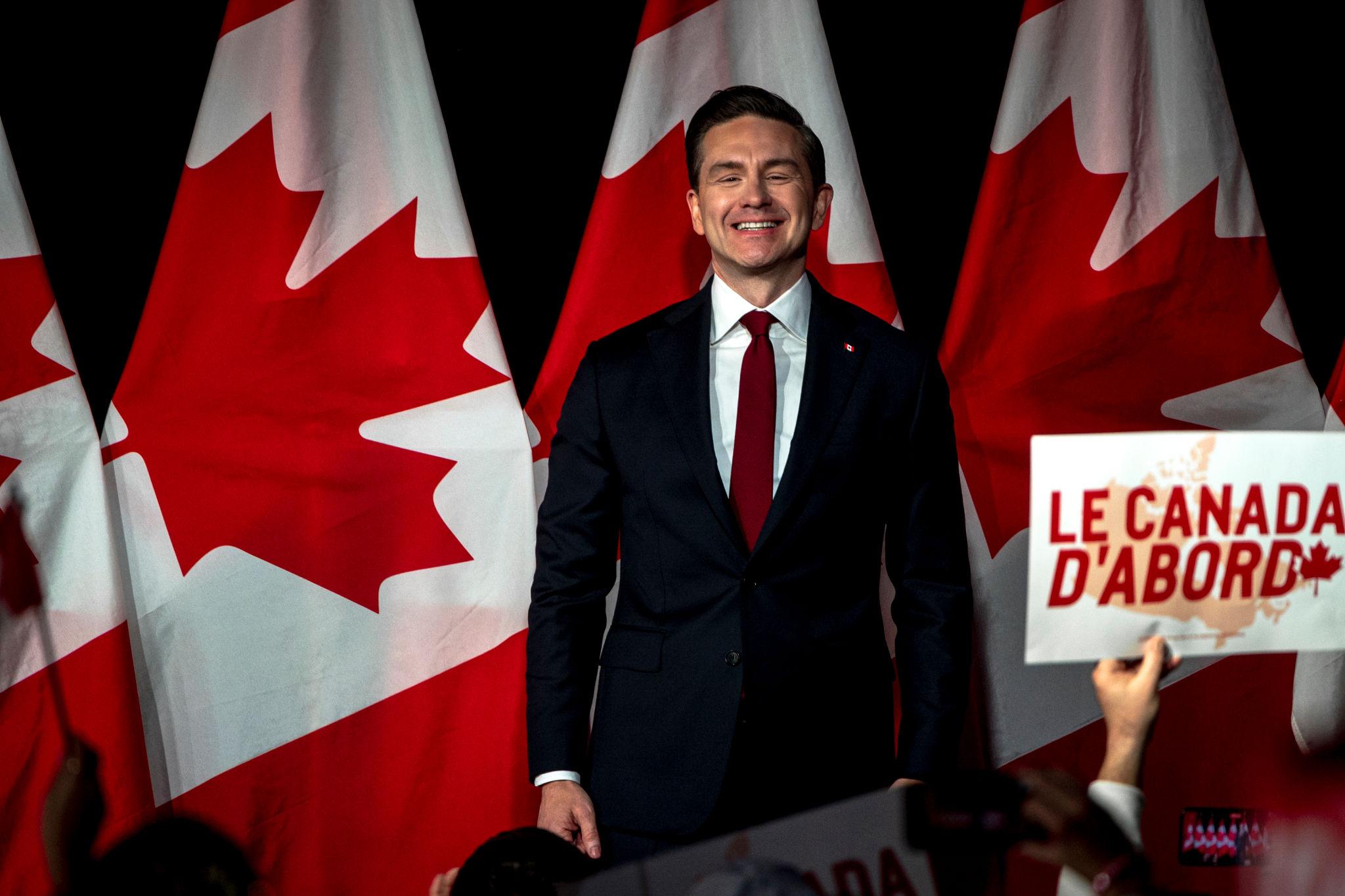
For the Conservatives, retaining Poilievre reflects confidence in his ability to mobilize supporters and maintain message discipline. Party insiders say the vote was driven by strategic considerations rather than personality.
Within Canada opposition politics, internal cohesion is increasingly seen as a prerequisite for electoral competitiveness.
Government Response and Political Counterstrategy
The governing Liberals have responded cautiously to the leadership outcome, framing it as an internal matter while preparing for intensified parliamentary confrontation.
Political observers note that Canada opposition politics often influences government behavior indirectly, shaping legislative priorities and public communication strategies.
Public Opinion and Democratic Engagement
Voter engagement remains a concern across the political spectrum. Declining turnout and rising cynicism challenge both governing and opposition parties.
Experts say Canada opposition politics plays a vital role in democratic renewal by offering voters meaningful alternatives rather than binary choices.
Institutional Trust and Accountability
Public confidence in institutions depends heavily on transparency and oversight. Opposition parties serve as watchdogs, ensuring executive power is not exercised unchecked.
Within Canada opposition politics, leadership stability enhances institutional memory and strengthens long-term accountability efforts.
International Context and Comparative Politics
Globally, opposition parties in democratic systems face similar challenges, including polarization and declining trust. Canada’s experience reflects broader trends.
Comparative analysts suggest Canada opposition politics benefits from strong parliamentary norms that encourage debate without destabilizing governance.
Technology, Data, and Campaign Strategy
Data analytics and targeted messaging now shape political campaigns. Opposition parties increasingly rely on digital tools to identify voter concerns and tailor outreach.
In Canada opposition politics, technological sophistication has become as important as traditional grassroots organizing.
Youth Engagement and Political Renewal
Younger voters represent both an opportunity and a challenge. Many express skepticism toward traditional political structures while demanding action on affordability and climate issues.
Opposition leaders aiming to shape Canada opposition politics must address generational priorities without alienating established voter bases.
Fiscal Responsibility and Policy Credibility
Economic credibility remains central to opposition success. Budget discipline, cost transparency, and long-term planning are closely scrutinized.
Observers argue that Canada opposition politics gains traction when fiscal critiques are paired with credible alternatives rather than abstract promises.
Legislative Cooperation and Strategic Opposition
Not all opposition activity is adversarial. Strategic cooperation on specific legislation can enhance policy outcomes while preserving critical independence.
Within Canada opposition politics, selective collaboration is increasingly viewed as a sign of maturity rather than weakness.
Leadership Image and Political Branding
Leadership perception influences voter trust. Consistency, clarity, and discipline contribute to political branding over time.
Analysts note that Canada opposition politics rewards leaders who maintain message coherence while adapting to shifting public concerns.
The Road to the Next Federal Election
As the next election approaches, opposition parties will intensify preparations. Candidate recruitment, fundraising, and platform development are already underway.
Strategists believe Canada opposition politics will hinge on whether opposition parties can broaden appeal beyond their traditional supporters.
A Defining Moment for Parliamentary Opposition
The leadership vote represents more than internal party affirmation. It signals a strategic choice to prioritize stability amid uncertainty.
One senior political analyst said,
“Opposition success is built on discipline and the ability to turn critique into credible governance.”
The comment reflects the evolving expectations placed on Canada opposition politics in 2026.
Opposition Politics at a Crossroads
As Canada navigates economic pressures and political change, the role of the opposition remains central to democratic accountability. Leadership continuity provides a foundation, but effectiveness will depend on policy depth, public engagement, and institutional integrity.
In the months ahead, Canada opposition politics will continue to shape parliamentary debate, influence public discourse, and determine how convincingly alternative visions for national leadership are presented.