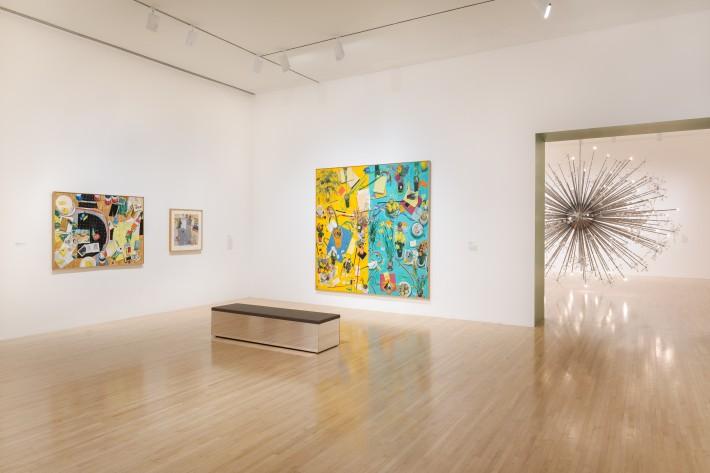
Los Angeles, California, United States, June 12 – Brussels Morning Newspaper — California art movement discussions have returned to the spotlight following the death of renowned British artist David Hockney at the age of 88. Widely recognized for transforming scenes of Southern California into some of the most iconic works of modern art, Hockney became one of the defining figures associated with the vibrant artistic culture that emerged in California during the late twentieth century.
His colorful depictions of swimming pools, sunlit landscapes, and contemporary lifestyles helped shape international perceptions of California’s creative identity. Art historians say his work played a significant role in elevating the state’s artistic influence on the global stage.
The renewed attention surrounding Hockney’s career has sparked broader conversations about the legacy and impact of the California art movement.
California Became a Global Center for Creative Expression
The California art movement developed as artists embraced the region’s unique environment, culture, and lifestyle. Bright sunlight, coastal landscapes, modern architecture, and diverse communities inspired generations of painters, photographers, designers, and sculptors.
Unlike many traditional European art centers, California offered artists opportunities to experiment with new styles and perspectives. The region became associated with innovation, bold colors, and contemporary themes that reflected changing social and cultural trends.
Many influential artists found inspiration in California’s distinctive visual character and creative freedom.
David Hockney Helped Define the Movement
After relocating from Britain to Los Angeles, Hockney created some of the most recognizable images in contemporary art. His paintings captured the atmosphere of Southern California through vibrant colors and striking compositions.
Works featuring swimming pools, palm trees, and modern homes became symbols of both California culture and Hockney’s artistic vision. His ability to transform ordinary scenes into celebrated works of art helped expand international interest in the region’s creative community.
Art critics frequently credit Hockney with helping establish California as a major influence within modern art.
Influence Extended Beyond Traditional Art
The impact of the California art movement reached far beyond galleries and museums. Its visual style influenced fashion, architecture, advertising, photography, and popular culture.
Designers and creative professionals around the world drew inspiration from California’s aesthetic identity. Bright color palettes, clean lines, and lifestyle-focused imagery became closely associated with the region’s cultural influence.
The movement helped shape global perceptions of creativity and modern living throughout the late twentieth and early twenty-first centuries.
Legacy Continues Through New Generations
Contemporary artists continue drawing inspiration from the creative traditions established by earlier California-based innovators. Museums, universities, and cultural institutions regularly feature exhibitions examining the movement’s historical significance and continuing relevance.
Art historians believe the influence of California’s artistic community will remain important for decades to come, particularly as new technologies create additional opportunities for creative expression.
Reflecting on the role of art in society, David Hockney once said,
“The moment you cheat for the sake of beauty, you know you’re an artist.”
As tributes continue following his death, the California art movement remains an enduring symbol of artistic innovation, cultural influence, and creative exploration. Hockney’s work helped define an era, and his legacy continues to inspire artists and audiences around the world. Los Angeles, California, United States, 2026.