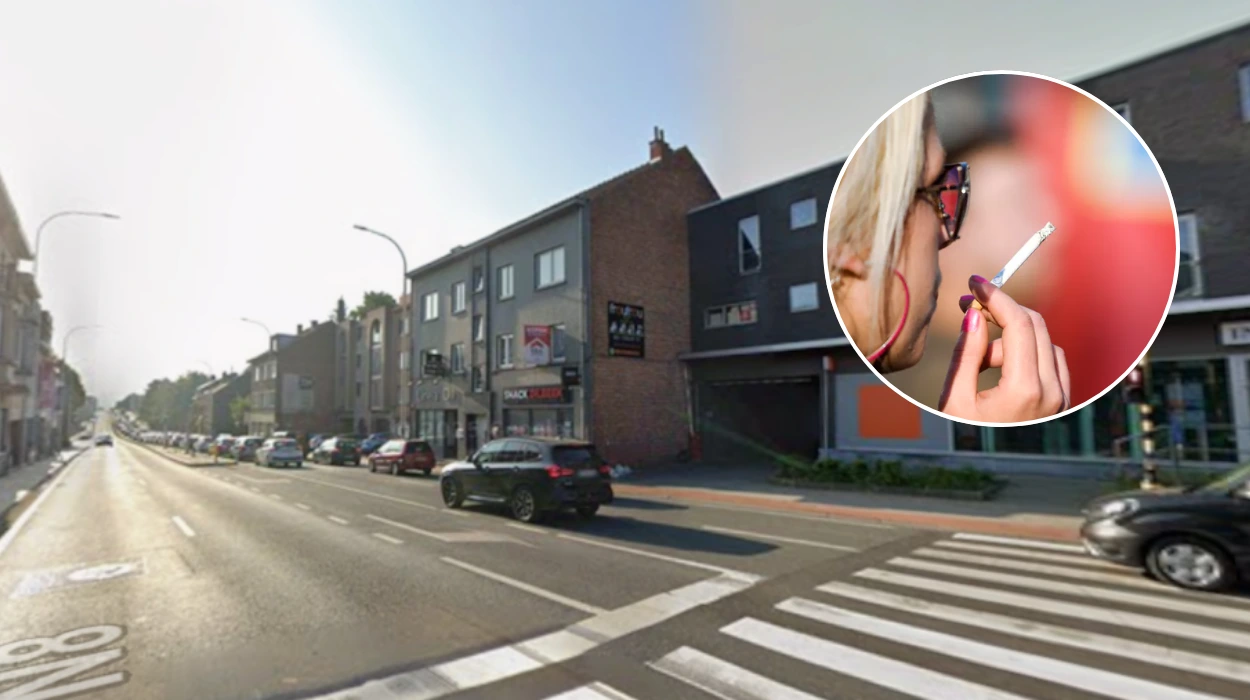
Groot-Bijgaarden (Brussels Morning Newspaper) January 14, 2026 – British American Tobacco revealed plans to cut 51 jobs at its Groot-Bijgaarden facility in Belgium. The announcement occurred during a special works council meeting. Management attributed the decision to tougher market conditions from stricter tobacco regulations and rising excise duties.
British American Tobacco (BAT) held a special works council meeting where it disclosed the intention to eliminate 51 positions at its Groot-Bijgaarden site. The company cited increasingly difficult conditions for selling tobacco products as the primary reason. Stricter regulations and increases in excise duties have contributed to these challenges.
The Groot-Bijgaarden location serves as a key operational hub for BAT in Belgium, handling commercial functions including supply chain, finance, marketing, IT, and HR departments. Previously, the site employed around 110 staff members, though exact current figures ahead of the cuts remain unspecified in reports. This announcement marks a significant development for the local workforce.
Works Council Meeting Details and Procedure
The special works council meeting took place on a date aligned with recent reporting, focusing on the proposed job reductions. Such meetings are standard in Belgium for companies planning significant workforce changes, allowing unions and employee representatives to receive information directly from management. No specific outcomes from the meeting beyond the announcement have been detailed in initial coverage.
Management presented the rationale during the session, emphasising external pressures on the tobacco sector. Stricter regulations across Europe, including advertising bans, packaging rules, and public smoking restrictions, have impacted sales volumes. Excise duty hikes in Belgium and neighbouring markets further erode profitability for traditional tobacco products.
Employee representatives attended the meeting, though reactions from unions or individual workers have not yet appeared in verified reports. Belgian labour law requires consultation periods following such announcements, during which social plans may be negotiated to mitigate impacts.
Reasons Cited for Job Reductions at BAT Groot-Bijgaarden

BAT management explicitly linked the 51 job cuts to deteriorating market conditions for tobacco sales. Increasingly stringent regulations form a core factor, with the European Union enforcing measures like the Tobacco Products Directive that standardise health warnings and limit flavours. These rules aim to reduce consumption but squeeze manufacturers’ revenues.
Excise duty increases compound the issue, raising production and retail costs. In Belgium, tobacco taxes have risen progressively, with recent adjustments contributing to volume declines. BAT has faced similar pressures globally, leading to prior restructurings that spared the Groot-Bijgaarden site in 2019 but affected other locations.
The company operates in a shrinking traditional cigarette market, pivoting towards alternatives like e-cigarettes and heated tobacco products. However, the announcement focuses solely on regulatory and tax burdens without detailing internal efficiencies or departmental targets for the cuts.
Background on British American Tobacco’s Belgian Operations
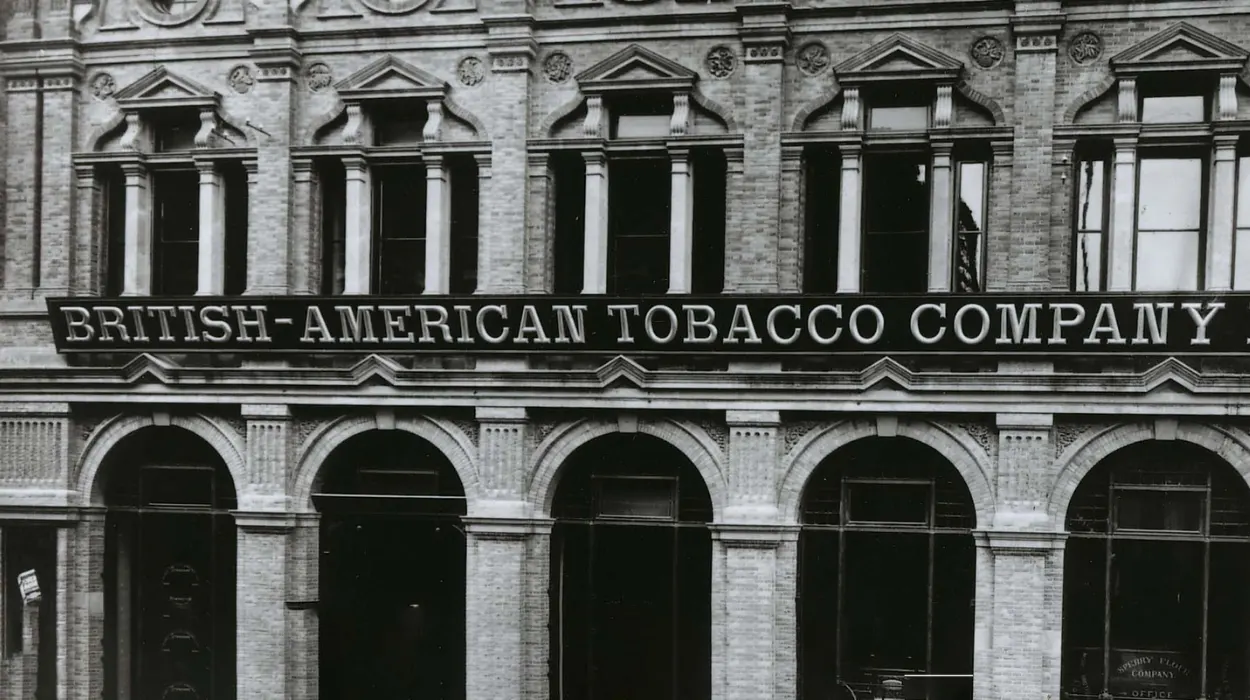
BAT maintains a presence in Belgium through its Groot-Bijgaarden office, which houses commercial operations. The site supports supply chain logistics, financial services, marketing efforts, IT infrastructure, and human resources for the Benelux region. It differs from past facilities, such as the now-closed Sint-Jans-Molenbeek site that handled HR and finance before relocating activities to Romania in 2020.
In 2019, BAT announced a global cut of 2,300 jobs, primarily in management, but confirmed no impacts on Groot-Bijgaarden at that time. The company employed over 55,000 people worldwide then, with Belgian staff concentrated in the two main sites. Recent global strategies include reducing business units from 16 to 12 and regions from four to three, effective from April 2025, alongside market exits in countries like Myanmar, Iran, and Russia.
BAT ranks as the world’s second-largest tobacco manufacturer, producing brands such as Lucky Strike, Pall Mall, Kent, and Dunhill. In Belgium, it navigates a regulatory landscape with high taxes and declining smoking rates, prompting shifts towards smokeless products aiming for significant revenues by 2035.
Broader Context of Tobacco Industry Pressures in Europe
Tobacco companies across Europe report similar challenges from regulatory tightening. The EU’s revised Tobacco Products Directive and national implementations have led to reduced legal sales volumes. Illicit trade exacerbates losses, as seen in markets like South Africa where BAT cut over 30% of its workforce since 2020 due to 40% volume declines.
In Belgium, excise duties on cigarettes have increased multiple times in recent years, directly affecting affordability and demand. Public health campaigns and plain packaging requirements further constrain marketing. BAT’s response mirrors industry trends, with restructurings to streamline operations amid a transition to new categories like vaping devices.
Previous BAT actions in Belgium include 49 job cuts in Brussels in 2009 due to a merger with Dutch operations. Globally, the company targets a predominantly smokeless business model by 2035, investing savings from efficiencies into alternatives.
Implications for Employees and Local Economy
The 51 positions represent a notable portion of the Groot-Bijgaarden workforce, potentially affecting multiple departments. Belgian law mandates notification and consultation, often leading to outplacement services or severance negotiations. No details on affected roles or timelines have emerged yet.
Groot-Bijgaarden, located in Flemish Brabant near Brussels, hosts various corporate functions, making BAT a relevant employer locally. Job losses could influence the regional economy, though the site’s commercial focus suggests impacts on white-collar roles.
Unions typically engage in these processes, as seen in similar cases like Alstom Bruges where works councils addressed contract losses. Further updates from BAT or employee groups are anticipated as consultations proceed.