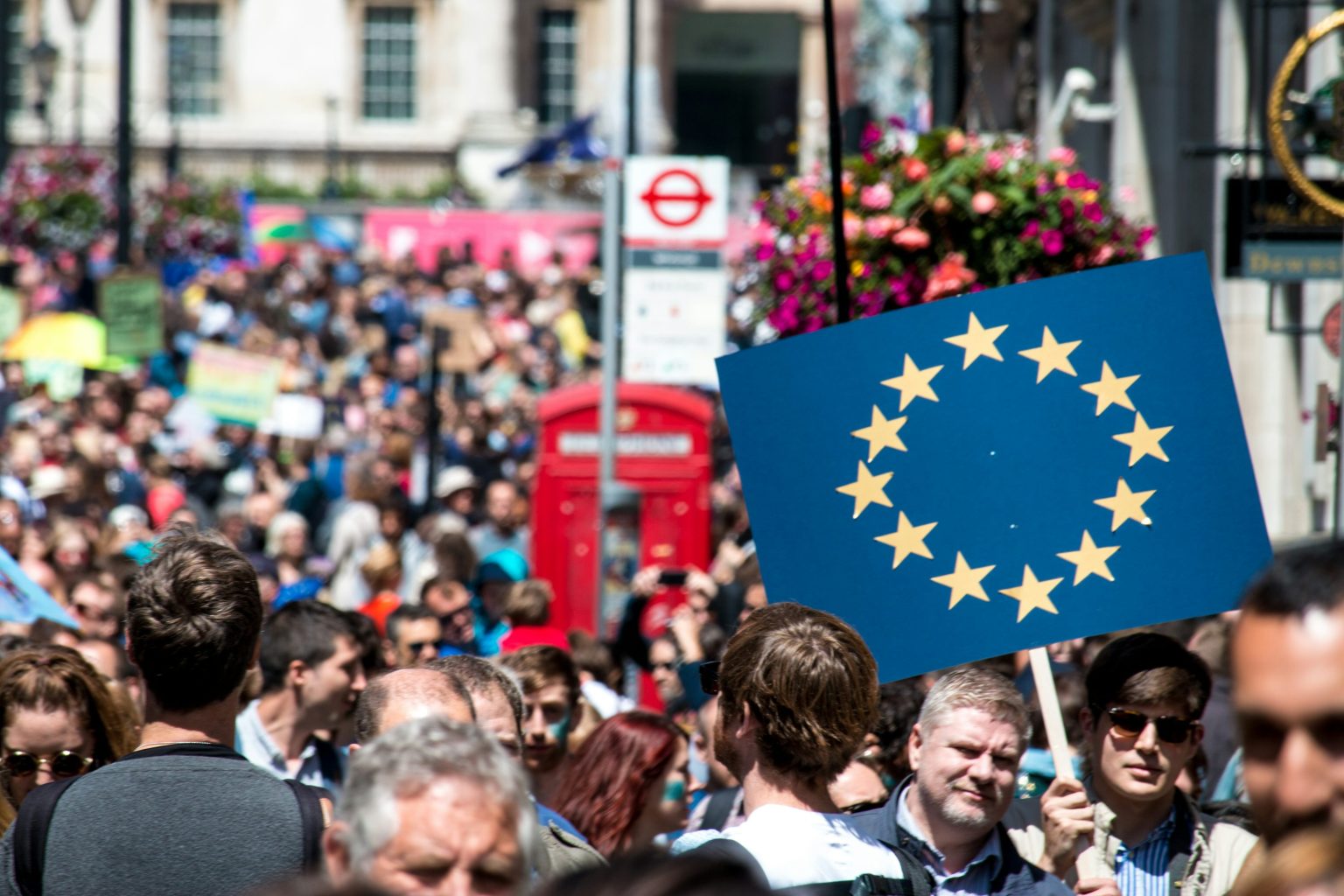
Brussels, 30 September, (Brussels Morning Newspaper) – The Brexit debate is returning to the political spotlight as Britain pursues closer relations with the European Union, with Prime Minister Andy Burnham calling for a more ambitious partnership and London and Brussels preparing for another UK-EU summit later this year.
The shift does not amount to a government commitment to reverse Brexit. Britain remains outside the EU, single market and customs union. However, Burnham has repeatedly signalled that his government wants the UK to move closer to its European neighbours, placing the future relationship back near the centre of British political discussion.
Burnham pushes for closer UK-EU ties
Since becoming prime minister, Burnham has made closer European cooperation a prominent part of his foreign and economic policy.
During an August meeting with European Council President António Costa, Burnham said Britain needed to be “bolder” about getting closer to the bloc. The two leaders said the next UK-EU summit would provide an opportunity to advance that relationship.
The message continued in September. Downing Street said Burnham told Cypriot President Nikos Christodoulides that Britain intended
“to continue to get closer to the EU”.
His government has also discussed closer European cooperation with French President Emmanuel Macron and Irish Taoiseach Micheál Martin.
Brussels and London prepare for next summit
The developing relationship is now turning towards negotiations and practical agreements.
Burnham met European Commission President Ursula von der Leyen during the United Nations General Assembly in September. Downing Street said both leaders discussed the importance of achieving a successful outcome from the next UK-EU summit, expected later this year.
Their talks extended beyond trade. They discussed Russia’s war against Ukraine, hybrid warfare and disinformation, illegal migration and global economic competition.
The discussions underline how the post-Brexit relationship is increasingly covering security and geopolitical cooperation alongside traditional questions of trade and regulation.
Brexit settlement remains unchanged
Despite the warmer relationship, the legal foundations of Brexit remain in place.
The government has previously stated that Britain would not rejoin the EU, single market or customs union. That position was reiterated in its January response to a parliamentary petition seeking UK membership of the bloc.
The UK and EU are also continuing to implement existing post-Brexit agreements. Officials meeting in London on 15 September reaffirmed their commitment to the “full, timely, and faithful implementation” of the Windsor Framework governing post-Brexit arrangements affecting Northern Ireland.
Parliament prepares for renewed Brexit discussion
The political dimension of the Brexit debate is also returning to Westminster.
A petition calling for Britain to apply to rejoin the European Union received more than 100,000 signatures and is scheduled for debate in Parliament on 12 October. The debate does not require the government to change policy, but it will give MPs another opportunity to discuss Britain’s relationship with Europe.
Separate petitions seeking negotiations on EU membership and another referendum remain open, demonstrating that Britain’s European relationship continues to generate public political activity a decade after the 2016 referendum.
Why the changing relationship matters
For Brussels, closer cooperation with Britain could have consequences across trade, defence, energy, migration and European security.
For the UK, the central question is increasingly how far the country can deepen economic and political cooperation with the EU while remaining outside its institutions.
Burnham highlighted the broader consequences of Brexit during his UN General Assembly address on 22 September, telling international leaders:
“It is now 10 years since Brexit. My country has lived through the disruption it brought.”
What happens next?
Attention will now turn towards the next UK-EU summit. Burnham and von der Leyen have instructed their teams to work towards a successful meeting later in 2026, although an official date has not been announced.
Before then, the 12 October parliamentary debate will provide another test of how Britain’s European conversation is evolving. Brexit itself remains settled in legal terms, but the question of what the UK’s relationship with Brussels should look like after Brexit is again moving up the political agenda.