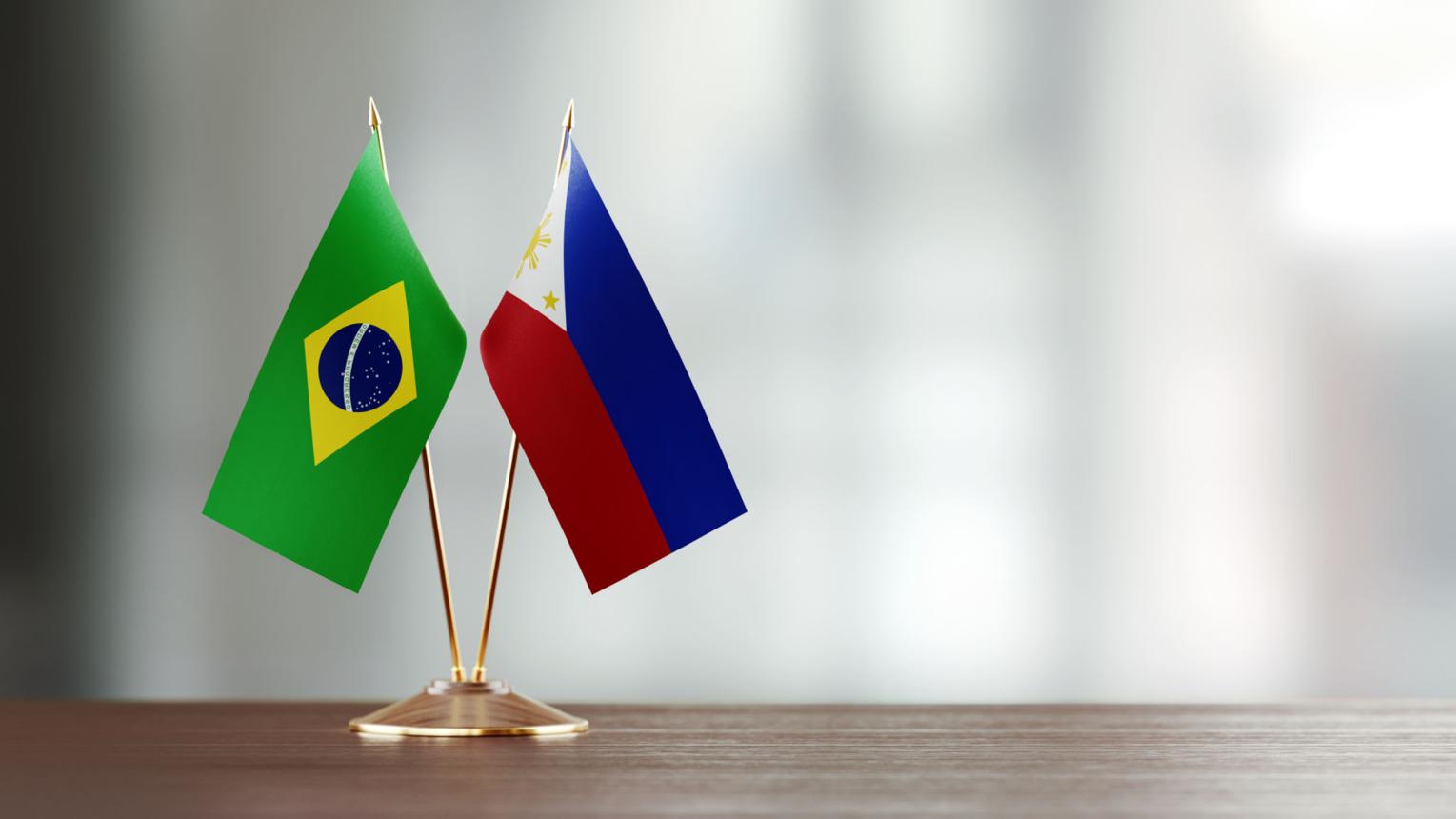
The Brazilian flag features a globe, and this is no aesthetic detail; it is a declaration of intent. Lula’s Brazil is no longer a geopolitical appendage of larger powers, nor does it look to the West as its sole beacon of freedom and independence. Today, it seeks to become a partner to the world, not a subordinate ally of any single country. This political, economic, and cultural choice speaks to us Europeans as well.
On 30 July 2025, President Trump raised tariffs on Brazil from 10% to 50%, despite the fact that — unlike the European Union — Brazil records a trade deficit rather than a surplus. Faced with this act of diplomatic and economic coercion, Lula did not yield, nor did he sign the kind of punitive agreements endorsed by Ursula von der Leyen in Scotland. Instead, he responded with the most rational strategy: diversifying Brazil’s exports and strengthening ties with China and with Europe, which remains the country’s largest foreign investor and its second-largest trading partner for both imports and exports.
This multipolar opening is accompanied by a domestic transformation that deserves close attention. Lula is leading a socio-economic revolution that many advanced economies have lacked the courage to initiate. He has introduced a tax reform that, for the first time, imposes levies on the wealthiest individuals, on profits, and on dividends. At the 2025 G20, he proposed a global tax on multimillionaires with assets above €100 million, inspired by the ideas of economist Gabriel Zucman. He has implemented the global minimum tax for multinational corporations and is introducing a digital services tax.
On the social front, he has increased the minimum wage, launched a reduction of the working week from six to five days with the goal of eventually reaching four, and revived Bolsa Família, an income-support scheme reminiscent of the reddito di cittadinanza introduced by the Conte government and later abolished by Giorgia Meloni. All this comes while Brazil reasserts itself on the international stage, having chaired the G20, BRICS+, and COP.
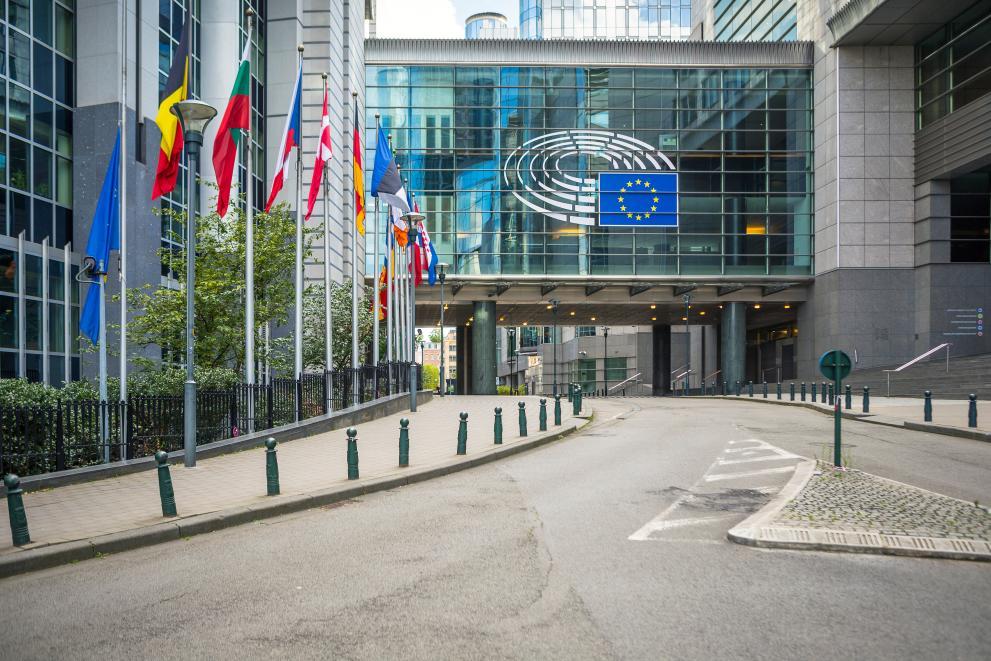
For all these reasons, the European Parliament’s FISC Committee, which I have the honour to chair, organised an institutional mission to Brazil. Our aim is to reinforce cooperation against tax evasion, avoidance, fraud, and money laundering, and to work together on three decisive fronts of the 21st century: a tax on multimillionaires, a digital tax, and redistributive policies. These are all battles on which Ursula von der Leyen’s EU has effectively raised the white flag, choosing a path of political and economic self-sabotage for which our continent is now paying a high price.
In Brazil, we also met with the leadership of the Central Bank to review the pilot project that will lead to the adoption of the digital currency known as Drex. The objective is to reduce the cost of financial transactions and increase competition in financial services, thereby democratising access to credit and investment. Another success story is Pix, the public instant-payment system created, managed, and regulated directly by the Central Bank of Brazil, not by private banks or a consortium of operators. Pix is now used by more than 150 million people and demonstrates that the path toward adopting an ambitious, streamlined digital euro is inevitable, aligning with our goal of strengthening the euro’s global role and enhancing Europe’s strategic autonomy.
Brazil reminds us that another model is possible: a large, open, progressive nation that does not merely choose sides, but chooses to stand with the world.