

Belgium is a small yet influential European country, centrally positioned as a hub for international diplomacy and governance. Known for hosting the headquarters of both the European Union and NATO in Brussels, its foreign policy reflects its unique federal structure, historical experiences, and commitment to multilateralism.
- Historical Roots and Evolution of Belgian Foreign Policy
- Federalism and Its Impact on International Relations
- Diplomatic Relations and International Presence
- Belgium’s Role in Multilateralism and International Organizations
- Managing International Disputes: Examples and Principles
- Focus on Belgium’s African Relations
- Belgium’s Foreign Policy at a Glance
Historical Roots and Evolution of Belgian Foreign Policy
Belgium’s foreign policy has been shaped strongly by its geography and history. Strategically situated at the crossroads of Western Europe, Belgium has faced numerous invasions and occupations, notably during the two World Wars. Originally, Belgium pursued strict neutrality to protect itself from domination by larger neighboring powers.
However, the experience of German occupations during both World Wars compelled Belgium to abandon neutrality. In 1948, Belgium signed the Treaty of Brussels, aligning with the United Kingdom, France, the Netherlands, and Luxembourg. The following year, Belgium became a founding member of the Atlantic Alliance, or NATO, signaling a commitment to collective security and cooperation.
Belgium’s early foreign policy emphasized mediation and neutrality but gradually evolved to embrace active participation in international organizations and alliances, reflecting its recognition of the benefits of multilateralism.
Federalism and Its Impact on International Relations
A distinctive aspect of Belgian foreign policy stems from its internal federal structure. Belgium is divided into Communities and Regions, each with considerable autonomy, even in foreign affairs. This means that, besides the federal government’s diplomatic engagements, entities like Flanders and the French Community maintain their own international relations and may conclude treaties independently.
For example, Flanders participates in international institutions such as the Dutch Language Union and manages agreements related to regional water management like the Scheldt river commissions. Meanwhile, the French Community is active within La Francophonie, promoting French-speaking culture worldwide.
This decentralized foreign policy model allows Belgium to leverage regional strengths and cultural ties, enabling nuanced diplomacy across languages and sectors while maintaining a coherent federal strategy.
Diplomatic Relations and International Presence
Belgium maintains diplomatic relationships with nearly every country globally, reflecting its openness and strategic interests. Starting with early recognition of neighbors like the United Kingdom and France in the 19th century, Belgium progressively formalized links across continents, including Latin America, Asia, and Africa.
Brussels serves as a vital diplomatic center, hosting numerous embassies and international organizations, facilitating dialogue on a wide array of global issues such as trade, security, human rights, and development.
Belgium’s foreign mission network is complemented by active participation in international courts and arbitration bodies. Notably, Belgium has engaged in disputes settled through the International Court of Justice and the Permanent Court of Arbitration, demonstrating its respect for international law and justice mechanisms.
Belgium’s Role in Multilateralism and International Organizations
Belgium has consistently been a proactive supporter of multilateral institutions. It is a founding member of key organizations such as the United Nations, NATO, and the European Union. Its foreign policy prioritizes working collectively on global challenges including peacekeeping, humanitarian aid, climate action, and trade regulation.
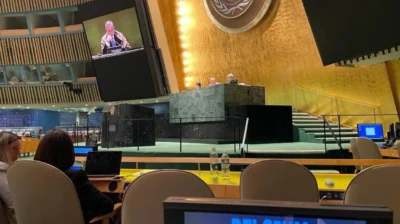
Belgium contributes troops and resources to UN peacekeeping missions and supports development programs in partner countries, especially in Africa, reflecting its colonial history and ongoing commitment to international solidarity.
Moreover, Belgium advocates for international law and human rights, often promoting universal jurisdiction to hold perpetrators of grave crimes accountable, albeit with cautious diplomacy to manage sensitive international relations.
Managing International Disputes: Examples and Principles
Belgium’s approach to international disputes underscores its preference for peaceful resolution. It has taken several cases to international courts over the last century, particularly with the Netherlands regarding river management, Baarle-Hertog enclave boundaries, and the Iron Rhine railroad.

Other disputes involving Belgium include cases with Spain over corporate and investment issues and with the Democratic Republic of the Congo regarding arrest warrants linked to universal jurisdiction laws. Though bold in legal pursuits, Belgium also balances such measures with diplomatic engagement to preserve constructive bilateral ties.
Focus on Belgium’s African Relations
Belgium’s historical ties with Africa, especially the Democratic Republic of the Congo, have a profound influence on its foreign policy. It maintains development cooperation, trade partnerships, and cultural exchanges with many African countries.
Belgium plays a prominent role in African peace and security initiatives, offering support through the African Union and UN frameworks. Its aid and diplomatic efforts aim to foster sustainable development and regional stability while addressing legacies of colonialism.
Belgium’s Foreign Policy at a Glance
Belgium’s foreign policy is a blend of historical prudence, federal complexity, and strong commitment to multilateralism. Its strategic involvement in international alliances, adherence to international law, and active diplomatic engagements reflect a country dedicated to global cooperation despite its small size.
By balancing its federal institutional makeup with a coherent national strategy, Belgium continues to be an influential player on the world stage. Its unique model provides lessons in managing diversity within unity and contributing to international peace and development through principled diplomacy.
Dear reader,
Opinions expressed in the op-ed section are solely those of the individual author and do not represent the official stance of our newspaper. We believe in providing a platform for a wide range of voices and perspectives, even those that may challenge or differ from our own. We remain committed to providing our readers with high-quality, fair, and balanced journalism. Thank you for your continued support.