

Belgium made international headlines for enduring 652 days—nearly two years—without an elected federal government, from December 2018 to October 2020. While such a prolonged period without formal national leadership might seem like a recipe for chaos and paralysis, Belgium’s complex federal structure and decentralized governance allowed it to continue functioning relatively smoothly.
- Historical and Political Context of Belgian Government Formation Challenges
- The Record-Breaking 652 Days Without a Federal Government
- How Belgium Functioned Without a Federal Government
- Potential Risks and Long-Term Implications
- What Happens to a Country Without a Government?
- Lessons from Belgium’s Experience
This prolonged political stalemate sheds light on the challenges faced by deeply divided federal states, offering valuable lessons on governance amidst complexity.
Historical and Political Context of Belgian Government Formation Challenges
Belgium’s political system is fragmented by linguistic and regional divides, primarily between the Dutch-speaking Flemish community in the north and the French-speaking Walloon community in the south, along with the bilingual Brussels-Capital Region and a smaller German-speaking community.
This linguistic cleave permeates Belgian politics, leading to differing political parties, interests, and culture along these lines. Consequently, national governments require broad coalition agreements spanning multiple parties and regions—which historically take a long time to negotiate.
The country consists of three regions (Flanders, Wallonia, Brussels) each with its own government and parliament responsible for distinct policy domains. Additionally, the linguistic communities have autonomous governments managing cultural, educational, and language-related matters.
This multi-layered federalism has created a situation where various regional governments and institutions maintain significant powers independently of the federal government.
The Record-Breaking 652 Days Without a Federal Government
The political impasse starting in December 2018 followed the collapse of the federal government led by then Prime Minister Charles Michel, primarily over tensions about migration policy and linguistic conflicts within coalition parties.
This stalemate meant Belgium operated without an elected federal government for 652 days, breaking its own record from 2010-2011, which lasted 541 days.
During this period, an interim government managed day-to-day affairs but avoided major new decisions, allowing continuity in public services and administration. Other regional and community governments continued their governance functions independently.
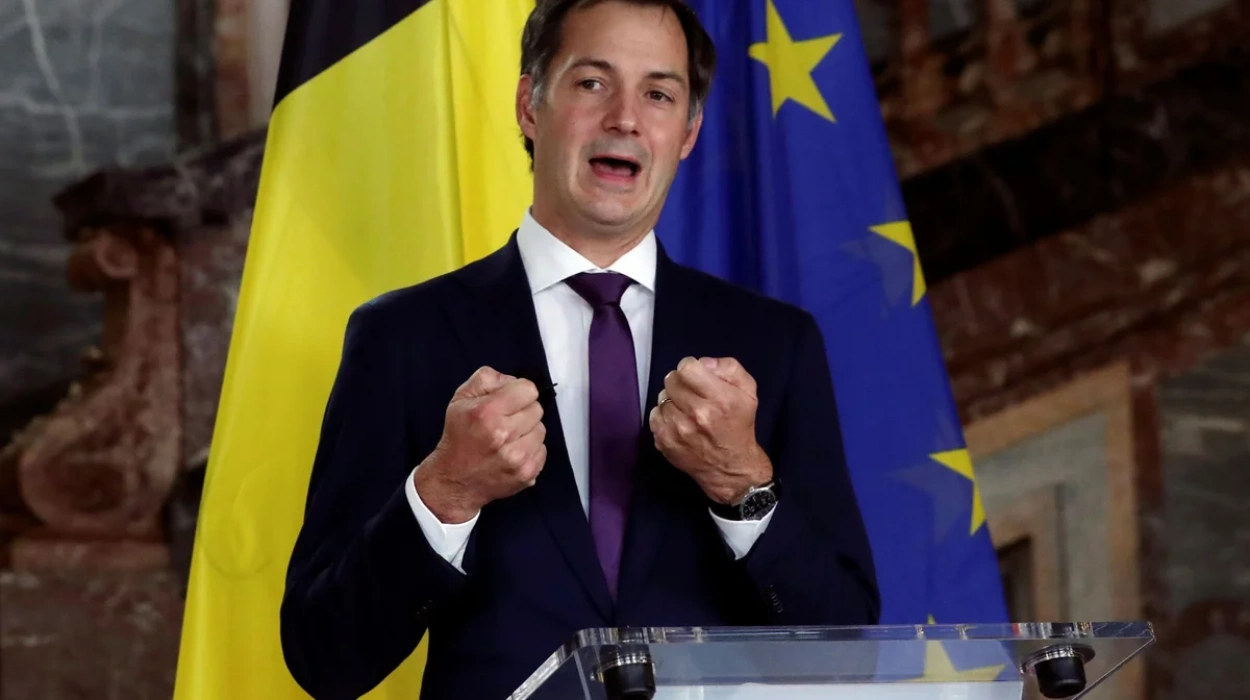
The protracted deadlock owed much to negotiations failing amid competing party agendas and cultural identities. Flemish nationalist parties contested compromises with Francophone parties, prolonging the stalemate.
However, interim governance and decentralized regional authority effectively buffered the crisis.
How Belgium Functioned Without a Federal Government
Belgium’s survival during this period depended on several crucial institutional features:
- Strong Federalism and Regional Autonomy: The three regions and three language communities each have legislative and executive powers over areas such as education, transport, public health, and culture. Their governments remained fully operational, providing public goods and services locally.
- Interim Federal Government’s Limited Yet Critical Role: While lacking full political mandate, the caretaker federal government carried out necessary administrative tasks and urgent decisions, including managing the coronavirus crisis. They worked within strict limits—routinely postponing major policy changes or budget approvals.
- Continuity of Public Services: Public transportation, healthcare, education, and social welfare systems continued uninterrupted under regional governments and ministries. Citizens largely experienced normal daily life despite the absence of a formal national government.
- Legislative Role of Parliament: While the executive branch faced paralysis, the Belgian Parliament retained powers to legislate on urgent issues through cross-party majorities, ensuring some democratic functioning despite the deadlock.
Potential Risks and Long-Term Implications
In the short term, Belgium’s decentralized institutions proved effective in sustaining government services despite the absence of a fully functioning federal government. However, operating without a fully empowered federal cabinet introduced several significant risks and limitations.
For one, budgetary constraints emerged because the country had to rely on provisional budgets, which limited the ability to approve new expenditures and thereby impacted long-term investment projects and fiscal planning efforts.
Additionally, crucial structural reforms—such as pension system adjustments or broader fiscal policy changes—that require federal authority were stalled, potentially worsening some of Belgium’s ongoing economic challenges.
The prolonged absence of a formal federal government also complicated Belgium’s relations with the European Union, as it hindered timely compliance with EU regulations and budgetary agreements.
This situation increased the risk of sanctions or penalties due to delays in meeting EU obligations. Furthermore, the persistent political deadlock intensified political polarization within Belgium.
Separatist sentiments, particularly among Flemish nationalist parties advocating for regional independence, grew stronger, posing a serious threat to Belgium’s national unity and social cohesion.
Overall, while Belgium’s multi-layered governance structure softened the blow of this federal paralysis in the short run, the situation underscored the importance of political consensus and highlighted the vulnerabilities of operating without a stable central government for extended periods.
What Happens to a Country Without a Government?
Belgium’s case uniquely illustrates how countries can survive without a functioning federal government if decentralization and institutional resilience are strong. However, the absence of a government generally carries significant risks and challenges.
Governance paralysis often occurs because, without decision-making authority, essential reforms stall, public investment slows, and the ability to respond effectively to crises may weaken considerably.
Economic uncertainty tends to grow in such environments, as investors and markets react negatively to political instability, potentially dampening growth prospects and increasing budget deficits.
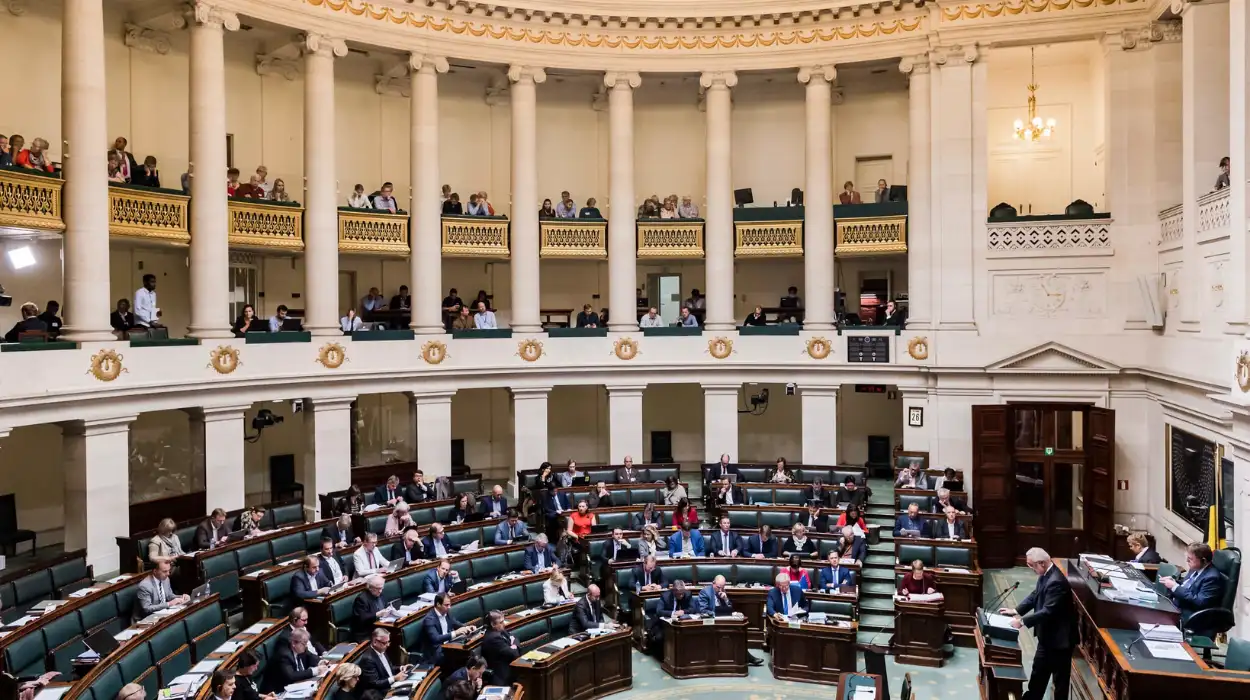
Prolonged political voids can also erode public trust in institutions, spark protests, and strain social cohesion within the country. The absence of an executive leadership hampers diplomatic relations as well, resulting in diminished foreign policy influence and weakening of multilateral engagements on the international stage.
Countries lacking strong decentralized institutions are often the most vulnerable under such conditions. Belgium’s unique federal design with multiple levels of government helped it avoid the worst-case scenarios generally associated with government absence, but the situation underscored the vital importance of achieving functional political consensus to maintain stability and coherent governance.
Lessons from Belgium’s Experience
Belgium’s political experience during its 652 days without a federal government reveals several key insights about governance in deeply divided federal states. First, strong regional governments played a crucial role in maintaining stability during the national deadlock by independently preserving essential public services like healthcare, transportation, and education.
This decentralization ensured that daily life for most citizens proceeded relatively normally despite the absence of a functioning federal cabinet.
Second, the interim or caretaker governments that operated during this period fulfilled vital administrative duties but were not designed to replace full elected governments for the long term. Their powers were limited to day-to-day management and urgent decisions, without authority to pass major new legislation or budgets.
This limitation highlighted how interim arrangements, while useful for stability, cannot substitute the political mandate and dynamism of elected leadership over extended periods.
Third, Belgium’s deep-rooted cultural and linguistic divides—primarily between Flemish-speaking Flanders and French-speaking Wallonia—complicated coalition politics and government formation.
The necessity to reconcile widely differing party agendas and community interests demanded innovative compromises, which took significant time to negotiate. This linguistic and cultural fragmentation lies at the heart of Belgium’s political complexity.
Fourth, while the short-term functionality of Belgian institutions disguised potential consequences, a prolonged absence of a fully empowered federal government risks weakening the country’s long-term economic prospects and political unity.
For example, the lack of a duly elected government impaired the adoption of new budgets and key structural reforms, potentially affecting fiscal health and future development.
Lastly, international observers consider Belgium’s experience both a cautionary tale and a testament to federalism’s resilience. Belgium demonstrates how a country with strong subnational governments can continue governance in national crises, but also illustrates that durable political deadlocks pose real risks to unity and effective policy-making.
Together, these factors underscore the interdependence of government structures, political culture, and institutional design in sustaining democratic governance amid challenges.
Belgium’s 652 days without a federal government stand as a remarkable example of political resilience fused with institutional complexity. Its multi-layered federal system, empowered regional entities, and caretaker government ensured continuity of governance despite deep political divisions and stalemate.
While day-to-day life went on largely uninterrupted, the period underscored risks relating to budgetary constraints, delayed reforms, and national cohesion.
Belgium’s experience informs broader debates about governance, federalism, and the consequences countries face without stable central governments. It reveals both the vulnerabilities and strengths of heavily decentralized democracies navigating profound political complexity.
Dear reader,
Opinions expressed in the op-ed section are solely those of the individual author and do not represent the official stance of our newspaper. We believe in providing a platform for a wide range of voices and perspectives, even those that may challenge or differ from our own. We remain committed to providing our readers with high-quality, fair, and balanced journalism. Thank you for your continued support.