

Migrants Over Boys on Women’s Safety
Badenoch Says Teaching Boys About Misogyny Shouldn’t Be a Priority Because Migrants More Dangerous to Women and Girls – As It Happened
In a controversial statement that has sparked vigorous debate across the UK, Kemi Badenoch, the Secretary of State for Equalities, claimed that teaching boys about misogyny should not be a priority because migrants pose a greater danger to women and girls. This remark, delivered during a heated parliamentary session, has ignited discussions on educational priorities, migration, and women’s safety. Here, we provide a detailed account of the unfolding events, contextual background, and reactions from across the political and social spectrum.
Badenoch’s Statement on Teaching Boys About Misogyny
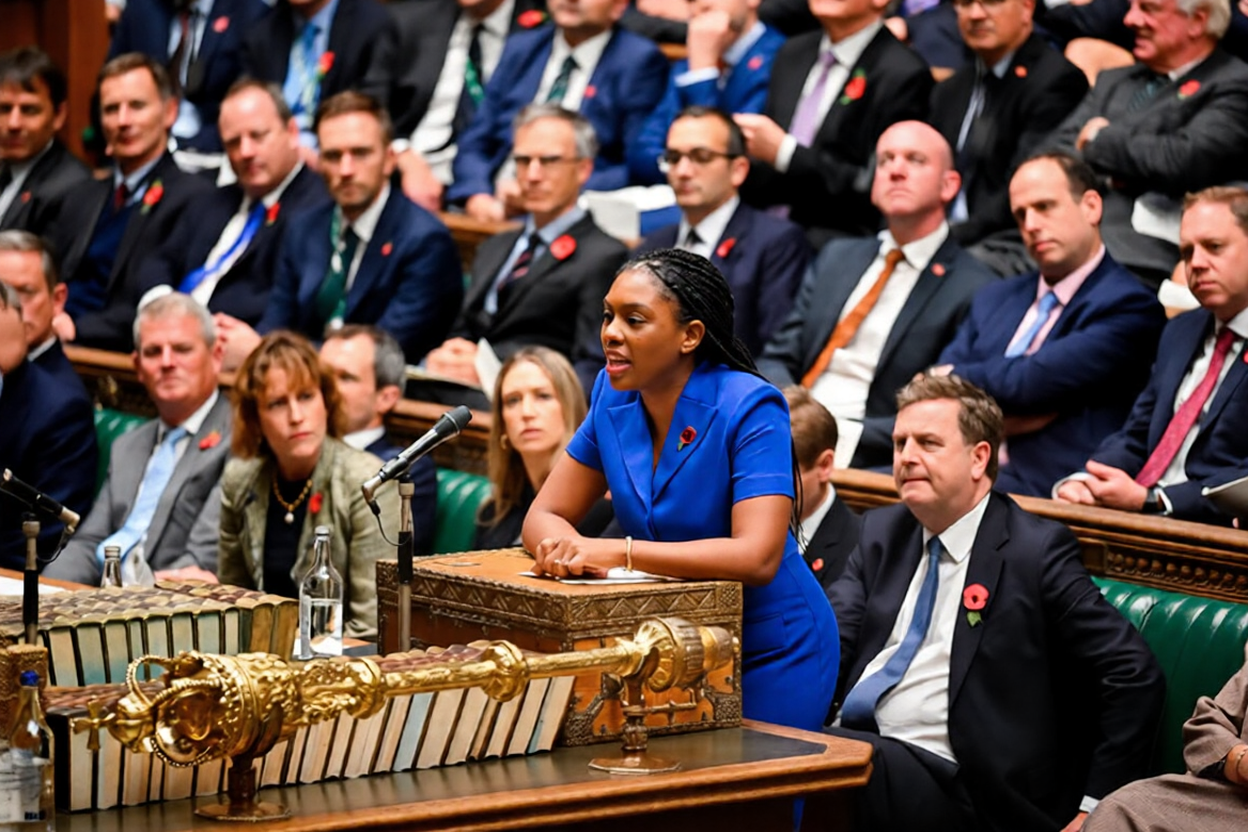
During a committee hearing on equality and education policy, Kemi Badenoch argued that the government’s focus should shift away from teaching boys about misogyny towards addressing the risks that migrants allegedly present to women and girls’ safety. According to her, the current educational emphasis on combating misogyny among young boys is misplaced as the greater threat emanates from certain groups of migrants, a remark that reflects the contentious narratives surrounding immigration and crime.
Badenoch said, “While it is important to educate boys about respectful behaviour, the priority must be the safety of women and girls who face real dangers, especially from migrant communities with a higher incidence of offenses.” She went on to suggest that resources would be better allocated to law enforcement and immigration control instead of anti-misogyny education initiatives.
The Context Behind Badenoch’s Remarks
This statement comes amid ongoing tensions in the UK over immigration, integration, and crime rates tied to certain migrant populations. Over recent years, some political figures and media outlets have linked migrants to higher crime statistics, though many experts caution against broad generalizations that can fuel xenophobia.
The teaching of misogyny and gender respect in schools has also been a hot-button issue, with advocates stressing its role in combating deeply ingrained cultural norms that perpetuate gender-based violence and inequality. Many educators believe that instilling respect and awareness in young boys is fundamental to long-term societal change.
Badenoch’s comments, therefore, intersect two highly sensitive areas: immigration and gender relations. The implication that migrants are a more pressing threat than misogyny ingrained in boys challenges prevailing educational and social paradigms.
Immediate Reactions and Public Response
The reaction to Badenoch’s statement was swift and polarized. Supporters of stricter immigration controls praised her for addressing what they see as an overlooked threat. They argue that the government must prioritize physical safety above all else and that current education systems do not adequately address risks from external groups.
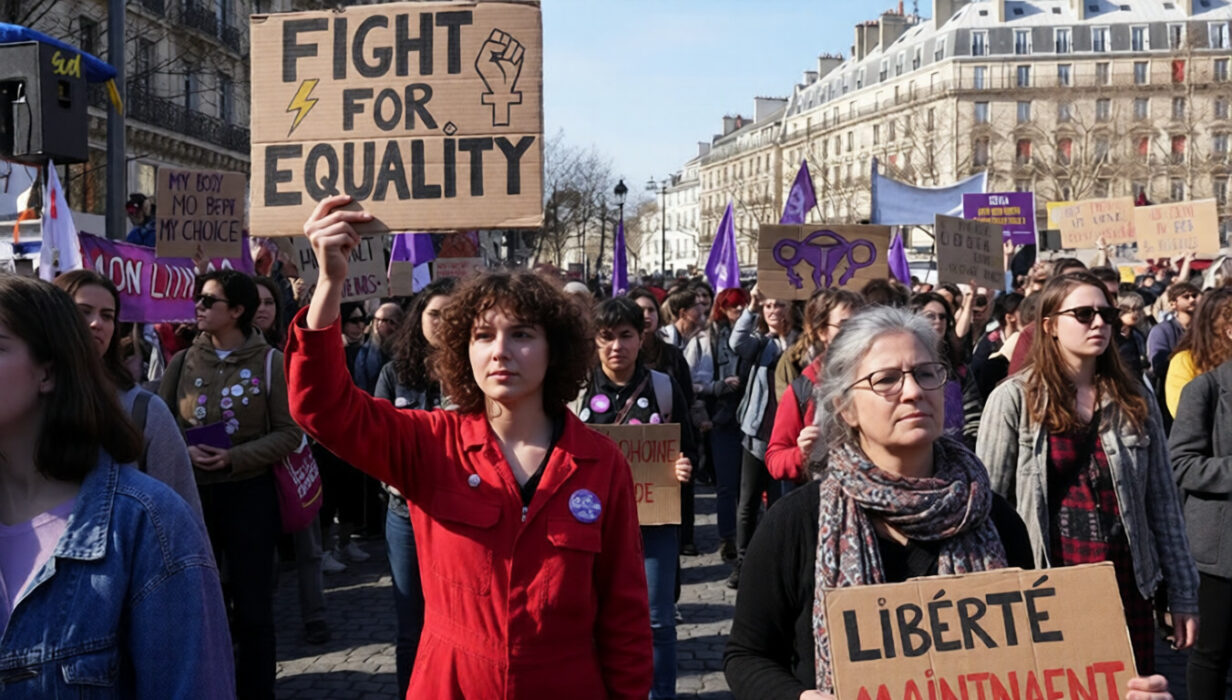
Conversely, critics condemned the remarks as inflammatory and misleading, accusing Badenoch of scapegoating migrants and undermining the importance of education about misogyny. Women’s rights organizations emphasized that misogyny is a root cause of violence against women and that ignoring it in education potentially endangers future generations.
Social media erupted with hashtags calling for Badenoch’s retraction and renewed focus on comprehensive sex and relationship education that includes discussions on respect and gender-based violence. Several MPs from opposition parties called for a formal inquiry into whether the government’s equality policies were being influenced by discriminatory views.
Educational Experts Weigh In
Many teachers and education experts have expressed concern that Badenoch’s stance could lead to deprioritizing essential lessons on gender respect, which form a vital part of preventing harassment and abuse. Dr. Sarah Mitchell, a gender studies professor at the University of London, commented, “Ignoring misogyny as a social issue in education ignores the vast evidence linking early attitudes with adult behaviour. Teaching boys about consent and respect should not be sacrificed under the guise of addressing migration.”
Furthermore, experts argued that conflating crime rates among immigrants with misogyny education creates a false dichotomy. They suggest a balanced approach that tackles both the prevention of gender-based violence and the enforcement of immigration laws where necessary.
Political Fallout and Official Responses
The controversy has prompted responses from various political figures. Labour spokesperson Marsha Singh criticized Badenoch for “diverting attention from social responsibility and fairness” and called for increased funding for schools to teach about gender equality.
Home Office officials declined to comment directly on Badenoch’s remarks but reaffirmed their commitment to women’s safety through multiple initiatives tackling violence and exploitation.
In Parliament, opposition leaders demanded clarity on the government’s strategy for combatting violence against women and how educational policies fit into that framework. Some called Badenoch’s comments a distraction from more systemic issues such as economic inequality and cuts to community services that also impact women’s safety.
What Happens From Here?
Following the backlash, Badenoch’s office released a follow-up statement clarifying that she supports education that helps eliminate misogyny but believes government resources should also address other pressing safety concerns. Nonetheless, advocacy groups fear that this clarification does not fully address the potential exclusion of key topics from school curriculums.
The government is expected to review its educational guidelines in response to the outcry, and discussions about the role of immigration in public safety continue to be a contentious issue in UK politics.
Looking Ahead
Kemi Badenoch’s assertion that teaching boys about misogyny should not be a priority because migrants are more dangerous to women and girls has triggered a robust debate about the balance between education, equality, and immigration policy. The controversy highlights the challenges governments face when navigating intersecting social issues, especially in a politically charged climate.
As the nation wrestles with how best to protect women and girls, it is clear that any approach must consider multiple factors, cultural attitudes, education, law enforcement, and social integration without exaggerating the threat posed by any particular group. The ongoing conversation sparked by Badenoch’s remarks underscores the complexity of creating policies that uphold safety, fairness, and respect for all members of society.