

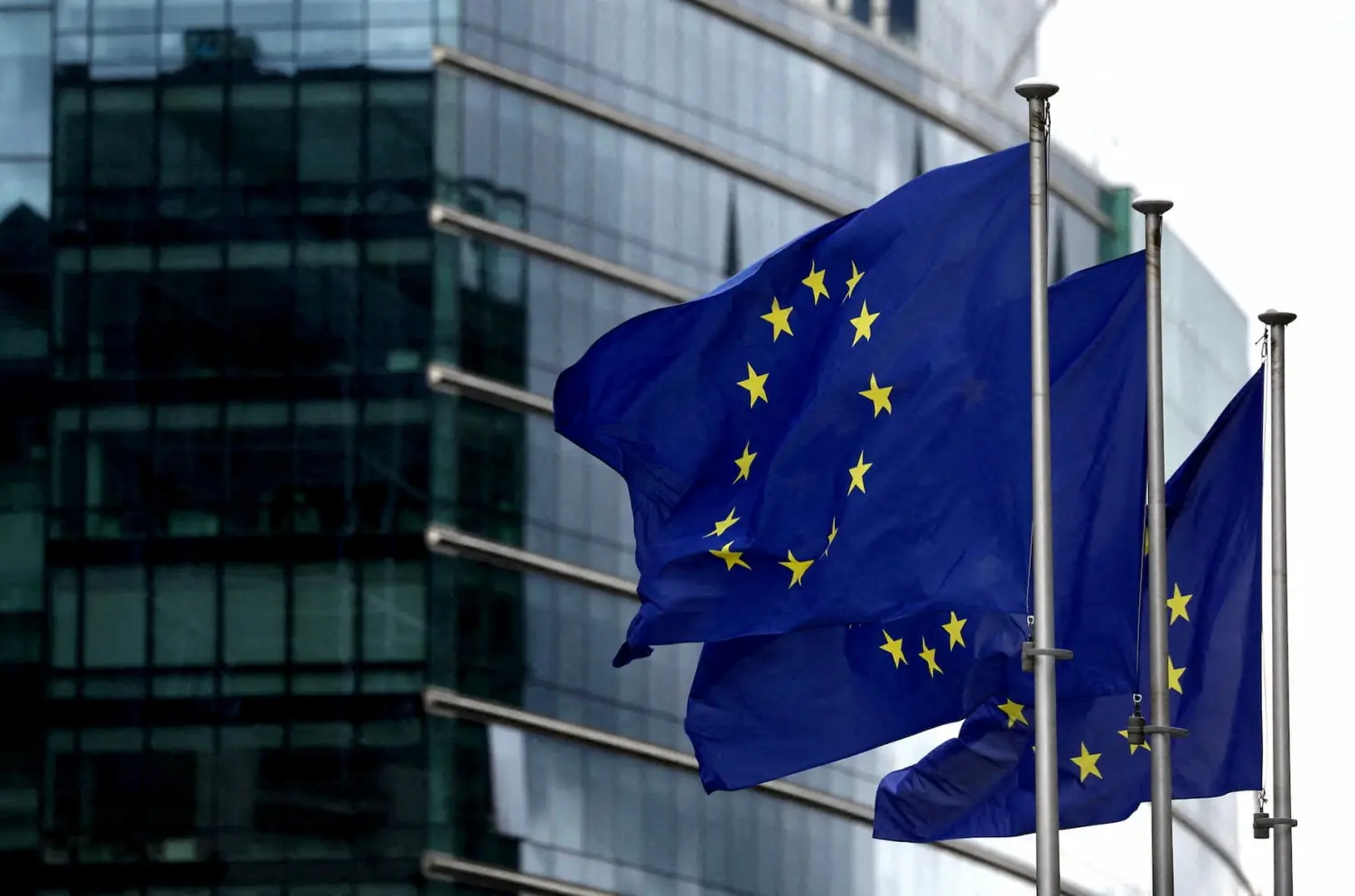
Brussels, Belgium — January, 2026: According to Brussels Morning Newspaper, European regulators, civil society organizations, and technology industry leaders have entered a decisive phase of debate as the Apple app store policy becomes the focal point of a wider reassessment of digital platform governance. The discussions unfolding in Brussels reflect mounting concern that app marketplaces now function as essential infrastructure, shaping competition, consumer safety, and access to digital services across the global economy.
Officials describe the moment as a re-calibration rather than a confrontation, yet few deny that the implications could reshape how mobile ecosystems operate worldwide.
Why App Marketplaces Now Define Digital Access
Over the past decade, smartphones have become the primary gateway to digital life. Banking, communication, healthcare, education, and entertainment increasingly rely on applications distributed through centralized marketplaces.
Within this environment, the Apple app store policy has drawn attention because it governs not only which apps reach users but also how they are monetized, updated, and moderated. Analysts argue that this level of influence places app stores closer to public utilities than traditional private platforms.
Brussels as the Global Rule-making Hub
Brussels has long shaped the digital rule-book through regulations that extend beyond Europe’s borders. Laws on data protection, competition, and online safety have frequently set global benchmarks.
The renewed focus on the Apple app store policy demonstrates Europe’s ambition to clarify the responsibilities of dominant digital intermediaries. Policymakers stress that consistent oversight is essential in markets where a small number of platforms exert out sized influence.

Competition and Market Fairness at the Core
Competition concerns remain central to the debate. Independent developers argue that app store rules can determine whether innovative products succeed or fail.
Economists note that the Apple app store policy influences pricing structures, subscription models, and discover-ability, shaping incentives across the app economy. Regulators are examining whether these mechanisms unintentionally favor certain business models or restrict market entry.
Consumer Safety and Trust in Digital Ecosystems
Beyond competition, consumer protection has become a defining issue. European officials emphasize that app marketplaces must actively mitigate risks related to fraud, harmful content, and data misuse.
Advocacy groups argue that the Apple app store policy should evolve to address emerging threats, particularly as apps integrate artificial intelligence, financial services, and health data. Trust, they say, is the foundation of sustainable digital markets.
Apple’s Defense of Its Ecosystem Model
Apple maintains that its approach prioritizes security and privacy. Company representatives point to app review processes designed to reduce malware and protect users from deceptive practices.
Critics counter that the Apple app store policy grants broad discretionary power, raising concerns about transparency and consistency. The debate now centers on whether centralized control enhances safety or limits accountability.
Artificial Intelligence Raises New Regulatory Questions
The rapid growth of AI-driven applications has intensified scrutiny. Automated content moderation, recommendation systems, and generative tools now operate at unprecedented scale.
Experts argue that the Apple app store policy must adapt to these technological shifts, ensuring oversight mechanisms remain effective as software capabilities become more complex and autonomous.
Legal Scholars Weigh Platform Responsibilities
Legal experts in Brussels note that app store governance challenges traditional regulatory categories. Platforms simultaneously act as distributors, rule-setters, and competitors within their ecosystems.
From a legal perspective, the Apple app store policy is increasingly viewed as a test case for how competition law applies to platform-based economies in the digital era.
Global Consequences of European Decisions
Regulatory decisions in Brussels often influence global practices. Because multinational companies prefer uniform policies, European action can reshape standards worldwide.
Analysts suggest that reforms affecting the Apple app store policy could echo across markets in Asia, North America, and emerging economies, amplifying the significance of current discussions.
Industry Watches Closely as Debate Deepens
Technology firms across the sector are closely monitoring developments. Even companies outside the mobile ecosystem recognize that changes to app store governance could set broader precedents.
Market analysts say scrutiny of the Apple app store policy has already prompted internal compliance reviews and strategic reassessments across the industry.
Public Awareness Pushes the Issue Into the Mainstream
What was once a technical policy discussion has entered public consciousness. Media coverage, academic research, and political debate have elevated app store governance into a widely discussed issue.
As awareness grows, the Apple app store policy has become emblematic of broader concerns about corporate power and digital fairness.

A Single Voice From Policy Circles
One European digital policy advisor involved in the discussions said,
“When access to digital markets is controlled by a few actors, oversight becomes a matter of democratic responsibility.”
Economic Stakes for the App Economy
The app economy supports millions of jobs worldwide, from developers and designers to marketers and service providers. Any policy changes could have far-reaching economic consequences.
Economists caution that adjustments to the Apple app store policy must balance competition goals with ecosystem stability to avoid unintended disruption.
Regulatory Tools Under Active Consideration
European institutions are evaluating a range of policy tools, including transparency requirements, enforcement mechanisms, and dispute resolution frameworks.
Within this process, the Apple app store policy is being reviewed as part of a broader effort to modernize digital market oversight without stifling innovation.
International Coordination Gains Importance
Digital markets operate across borders, making regulatory coordination increasingly important. European regulators are engaging with counterparts worldwide to share insights and align principles.
The global relevance of the Apple app store policy underscores why unilateral action may be less effective than coordinated standards.
Innovation Versus Oversight Remains Unresolved
Technology leaders often warn that heavy regulation could slow innovation, while advocates argue that unchecked power undermines trust.
The debate over the Apple app store policy reflects this tension, highlighting the challenge of fostering innovation while ensuring accountability.
Long-Term Shifts in Platform Governance
Experts believe the current moment may redefine expectations around platform responsibility. Even incremental changes can reshape industry norms.
Sustained attention to the Apple app store policy signals a broader shift toward more assertive oversight of digital infrastructure.
Media Influence on Policy Momentum
Investigative journalism and expert commentary have played a key role in sustaining public interest. Media coverage has helped translate complex policy debates into accessible narratives.
As a result, the Apple app store policy remains firmly on the political agenda in Brussels.
A Transitional Moment for Digital Rules
Observers describe the current phase as transitional. While immediate overhaul is unlikely, the direction of travel is clear.
The ongoing reassessment of the Apple app store policy suggests that platform governance is entering a new phase shaped by public expectation and regulatory ambition.
What Comes Next for App Store Oversight
Policymakers emphasize consultation and evidence-based decision-making. Input from developers, consumers, and industry will shape next steps.
For now, the future of the Apple app store policy remains under review, but continued scrutiny appears inevitable.
When Digital Gate-keeping Meets Democratic Review
The debate unfolding in Brussels highlights a broader question about democracy in the digital age. As platforms become essential infrastructure, their rules increasingly resemble public policy.
The examination of the Apple app store policy in Brussels in 2026 marks a defining chapter in the evolution of digital market governance.