
Brussels Morning briefings across European humanitarian and diplomatic institutions opened the year with growing concern over the situation facing aid organizations Gaza as new restrictions and operational barriers formally took effect. Officials described a deepening humanitarian emergency in the Gaza Strip, where civilians already living under extreme conditions now face further uncertainty about food medical care and basic services.
The start of 2026 marks a critical moment. While humanitarian access to Gaza has long been constrained the current environment represents a significant escalation in operational difficulty. Relief agencies warn that the cumulative impact of access limits funding uncertainty and regulatory pressure is pushing the humanitarian system close to a breaking point.
The Current Humanitarian Landscape in Gaza
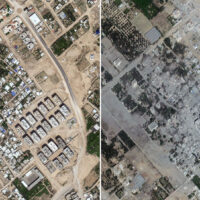
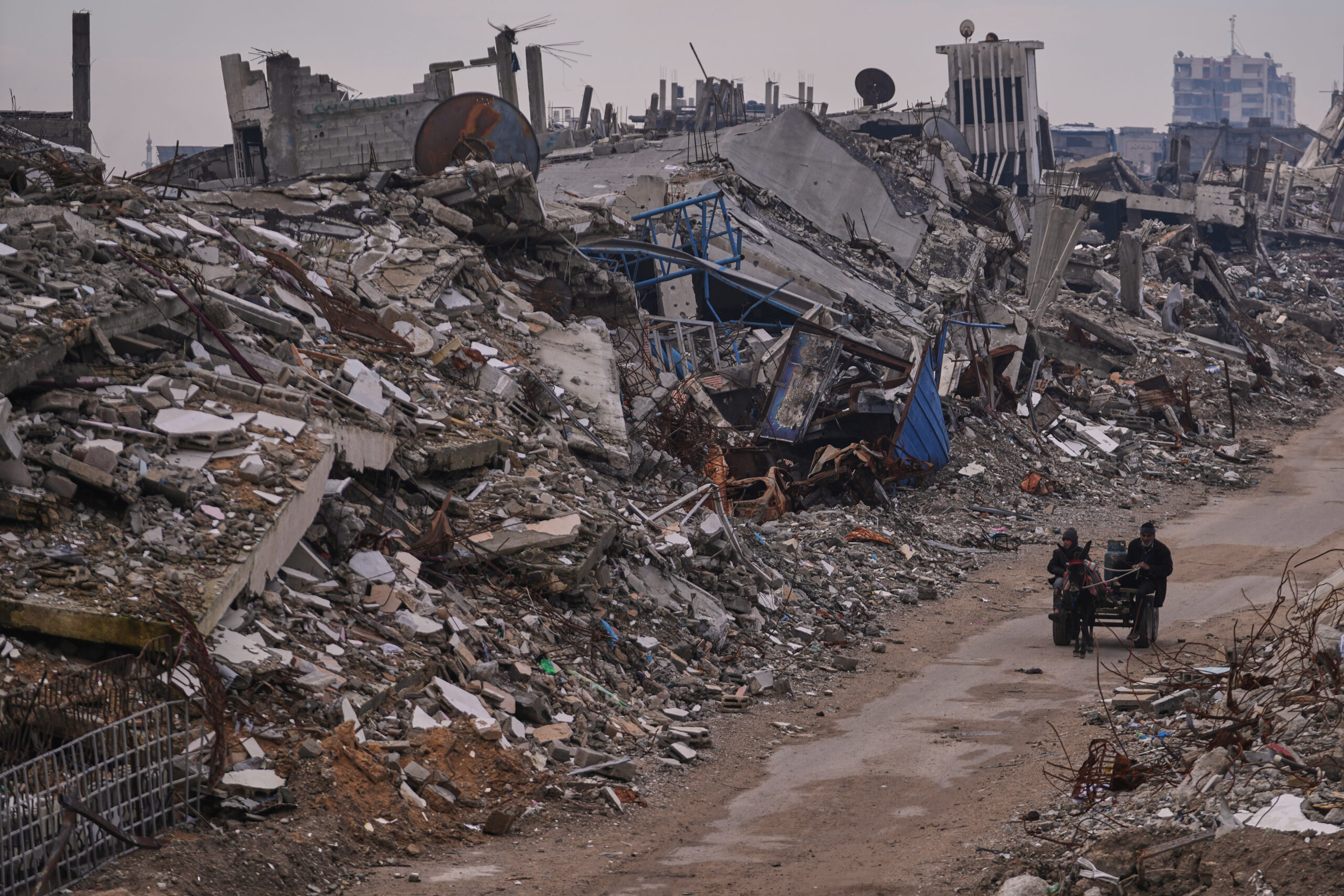
Gaza enters 2026 after years of conflict economic isolation and infrastructure damage. Large segments of the population rely on humanitarian assistance for daily survival. Food insecurity remains widespread healthcare systems operate beyond capacity and access to clean water and electricity is inconsistent.
For aid organizations Gaza, these conditions mean operating in an environment where needs far exceed available resources. Even before the latest restrictions agencies struggled to maintain supply chains and staffing levels. The new measures have intensified those challenges at a moment when civilian vulnerability is at its highest.
What Has Changed for Aid Operations
Recent policy decisions have altered how humanitarian groups are permitted to function. Approval processes for aid convoys staffing visas and material imports have become more restrictive. Some organizations have seen their permissions delayed limited or revoked entirely.
These changes have reshaped the operating environment for aid organizations Gaza, forcing many to scale back programs suspend activities or shift priorities. Relief coordinators report that uncertainty around approvals makes long term planning nearly impossible.
Food Security Under Growing Strain
Food assistance programs form the backbone of humanitarian support in Gaza. Many families depend on regular distributions of staples to meet basic nutritional needs.
As restrictions take hold aid organizations Gaza report disruptions in food supply chains and distribution schedules. Warehouses face delays restocking and delivery routes are frequently interrupted. Nutrition programs targeting children and vulnerable populations are particularly affected raising concerns about long term health outcomes.
Healthcare Services Facing Severe Pressure
Healthcare in Gaza has been operating in crisis mode for years. Hospitals and clinics depend heavily on external support for medicines equipment and specialized services.
Several humanitarian groups previously provided mobile clinics trauma care and chronic disease treatment. With reduced operational capacity aid organizations Gaza warn that healthcare gaps are widening. Patients experience longer waits limited treatment options and shortages of essential medicines.
Operational Challenges on the Ground
Humanitarian work relies not only on supplies but also on experienced personnel and local partnerships. Many organizations have invested years in training local staff and building community trust.
The current environment has disrupted these networks. Aid organizations Gaza face staff shortages increased security risks and administrative hurdles that slow response times. Replacing institutional knowledge built over decades is not easily achieved.
Legal and Humanitarian Law Concerns
International humanitarian law emphasizes the protection of civilians and the obligation to facilitate impartial humanitarian aid. Legal experts note that access restrictions must be justified by necessity and proportionality.
Critics argue that constraints placed on aid organizations Gaza risk undermining these principles by limiting life saving assistance. Authorities maintain that security considerations remain paramount and that aid continues through approved channels.
International Reaction and Diplomatic Engagement
Governments and international bodies have responded with statements of concern and calls for humanitarian access. European officials and United Nations representatives have raised the issue in diplomatic forums.
Despite this attention aid organizations Gaza report that practical outcomes remain limited. Diplomatic engagement has yet to produce consistent mechanisms that guarantee predictable access for humanitarian operations.
Impact on Gaza’s Civilian Population
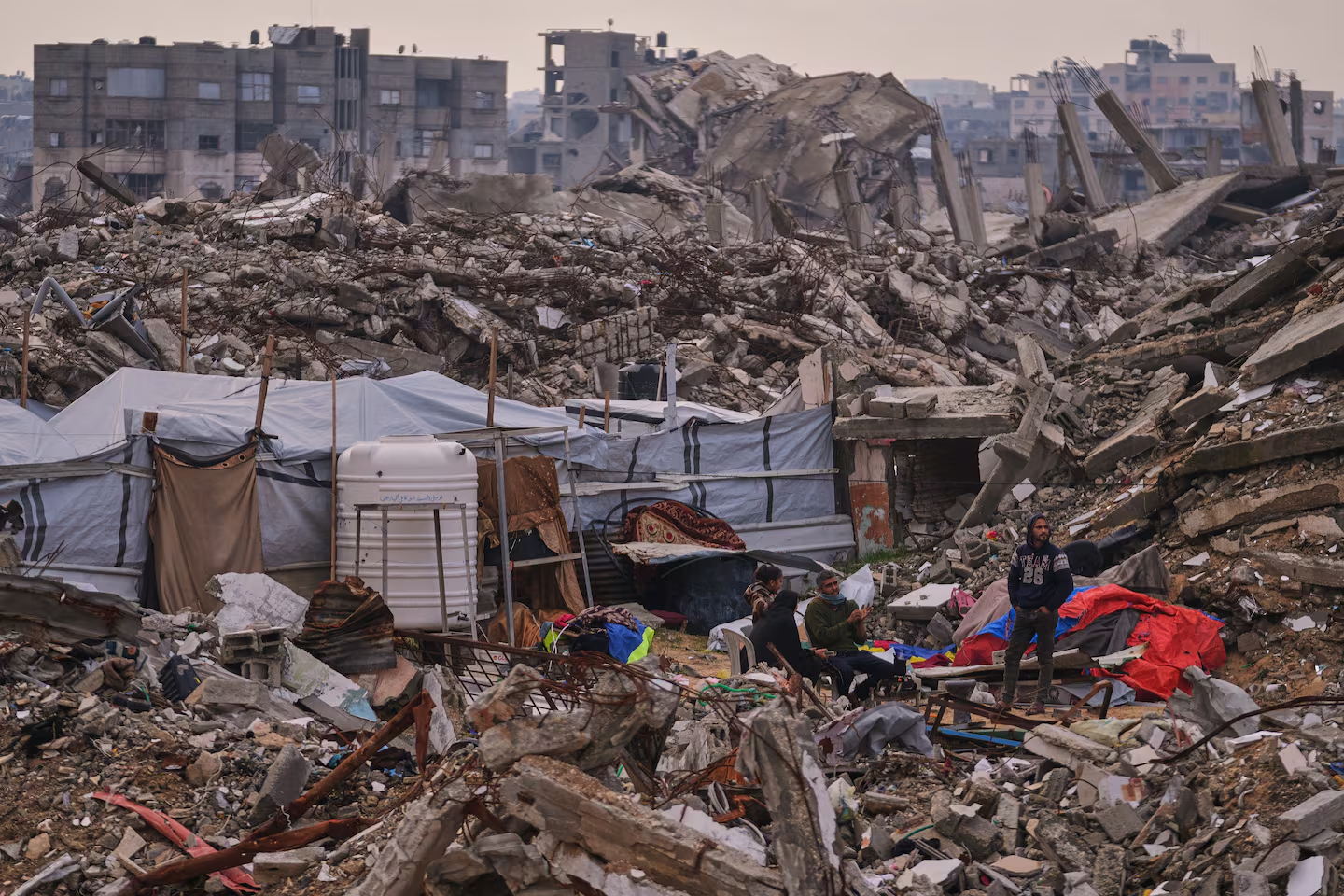
For Gaza residents policy debates translate into daily hardship. Families face uncertainty over food availability patients worry about access to treatment and communities struggle to maintain basic routines.
Local residents describe the absence of familiar aid providers as destabilizing. For many aid organizations Gaza are not abstract entities but lifelines that connect households to essential resources.
Economic Consequences Beyond Humanitarian Aid
Humanitarian operations also support Gaza’s fragile economy. Aid programs employ local workers purchase goods and sustain small scale markets.
As operations contract economic ripple effects spread. Job losses reduced spending and interrupted contracts further strain livelihoods. The challenges faced by aid organizations Gaza therefore extend beyond immediate relief to broader economic stability.
Media Coverage and Public Awareness
Global media attention often peaks during major escalations of violence. Structural changes affecting humanitarian access receive less sustained coverage.
Analysts argue that the pressures facing aid organizations Gaza represent a long term shift rather than a temporary disruption. Without ongoing attention the cumulative impact risks being underestimated by international audiences.
Coordination Among Remaining Agencies
Organizations still permitted to operate are attempting to scale up services to cover gaps left by reduced capacity elsewhere. However resource constraints limit what is possible.
Humanitarian coordinators emphasize that no single group can replace the collective reach once provided. Even with increased efficiency aid organizations Gaza operating today cannot fully meet the scale of need alone.
Challenges of Operating in a Prolonged Crisis
Unlike short term disasters Gaza represents a protracted humanitarian emergency. Donor fatigue funding uncertainty and political complexity complicate response efforts.
For aid organizations Gaza sustaining long term operations requires balancing emergency response with resilience building. Current restrictions make that balance increasingly difficult to achieve.
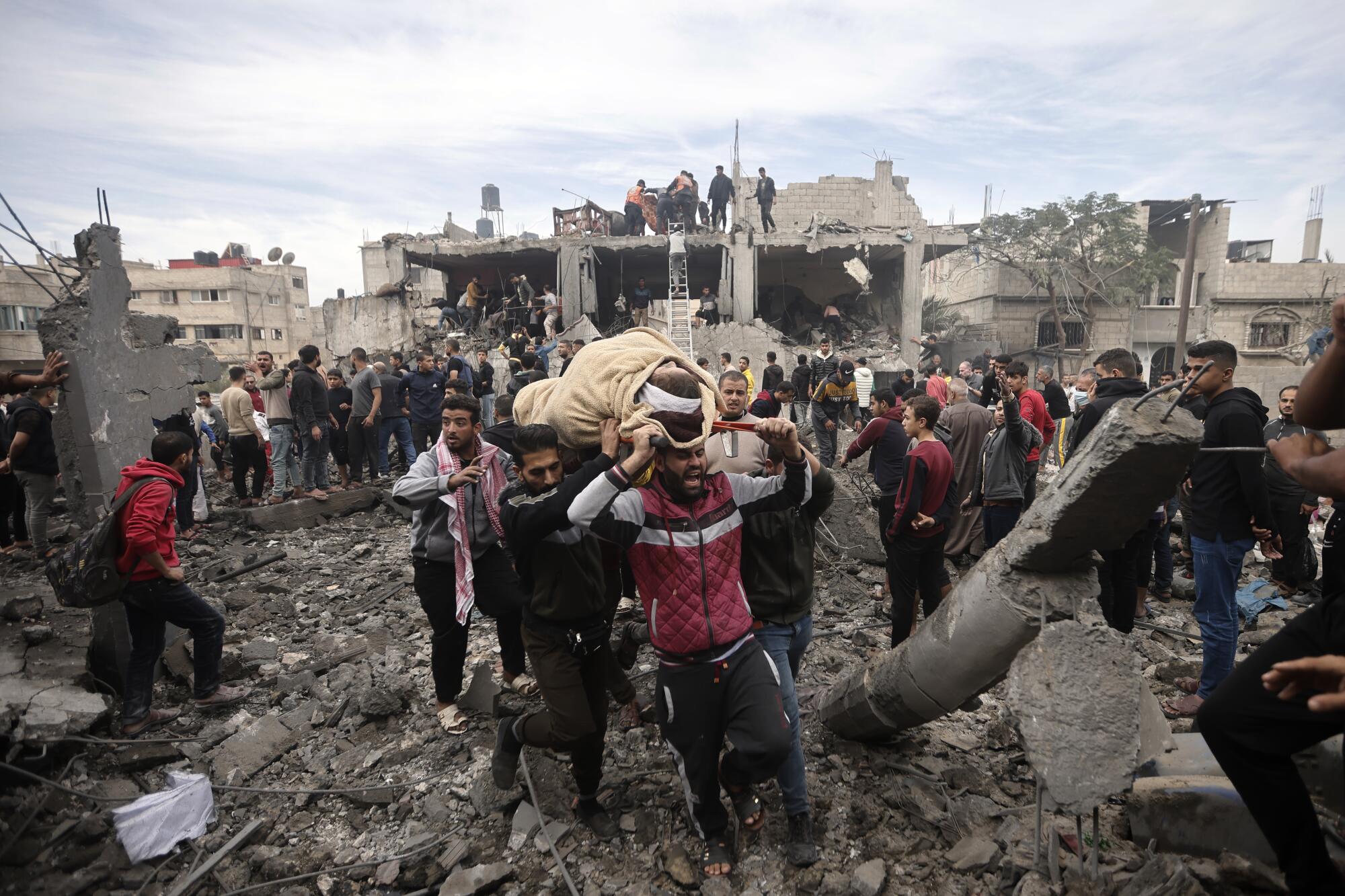
The Broader Regional and Global Implications
How humanitarian access is managed in Gaza has implications beyond the territory itself. Precedents set here may influence how other states regulate humanitarian actors in conflict zones.
Observers warn that constraints on aid organizations Gaza could normalize restrictive approaches elsewhere potentially weakening global humanitarian norms.
Voices from Humanitarian Workers
Aid workers describe operating under constant pressure moral distress and uncertainty. Many express concern that bureaucratic obstacles are eclipsing humanitarian priorities.
Despite challenges staff continue working under difficult conditions motivated by commitment to civilian welfare. Their experiences underscore the human cost of limitations placed on aid organizations Gaza.
Prospects for the Months Ahead
As 2026 progresses humanitarian planners face difficult decisions about resource allocation advocacy and contingency planning. Appeals for expanded access continue amid uncertain prospects.
Whether operational conditions improve remains unclear. What is certain is that the challenges confronting aid organizations Gaza will shape civilian wellbeing throughout the year.
Why This Moment Matters
The current phase represents more than a temporary disruption. It tests the resilience of humanitarian systems and the willingness of the international community to uphold access principles.
Understanding the pressures on aid organizations Gaza is essential for evaluating humanitarian outcomes regional stability and the future credibility of international humanitarian frameworks.
Looking Ahead with Cautious Urgency
The year has begun under the shadow of worsening humanitarian constraints. As aid organizations Gaza struggle to maintain operations civilians face mounting hardship. The coming months will test not only the capacity of relief agencies but also the international community’s resolve to ensure that humanitarian principles remain more than words.
For Gaza’s population the issue is not political positioning but survival dignity and hope amid continued uncertainty.