brussel morning reporting highlights a major shift in global commerce as AI shopping automation accelerates across payments, travel, and retail industries. Payment giants are actively preparing for a future where artificial intelligence does not merely suggest purchases but independently books flights, compares prices, and completes transactions on behalf of consumers. This transition signals a fundamental change in how money moves through the global economy, forcing financial networks, merchants, and regulators to rethink trust, authorization, and accountability in an AI driven marketplace.
What AI Shopping Automation Means
AI shopping automation refers to intelligent software agents that can search, evaluate, and complete purchases with minimal or no direct human interaction. Unlike traditional recommendation engines, these systems can execute transactions once users define preferences such as budget limits, brand choices, timing, and travel requirements.
Instead of browsing websites or apps, consumers may simply instruct an AI to handle routine purchases or complex bookings. This shift replaces manual clicks with goal based commands, streamlining commerce in ways not previously possible.
Why Payment Giants Are Preparing Now
Global payment leaders such as Visa and Mastercard have spent decades building infrastructure designed around human initiated payments. The rise of AI shopping automation challenges this foundation by introducing machine decision makers into the transaction process.
Payment networks must now ensure that AI driven transactions remain secure, authorized, and aligned with user intent. This requires new approaches to authentication, fraud detection, and transaction monitoring that can scale with automation.
From Manual Checkout to Automated Commerce
Traditional e commerce depends on human interaction at every step, from product selection to checkout confirmation. AI shopping automation eliminates much of this friction by allowing software agents to manage the entire purchasing journey.
A user might instruct an AI to restock household essentials monthly or book the most cost effective flight within a defined time window. Once rules are set, the AI handles merchant selection, price comparison, and payment execution seamlessly.
Travel and Flight Booking as Early Use Cases
Travel is emerging as one of the most promising areas for AI shopping automation. Flight booking involves fluctuating prices, complex fare rules, and time sensitive availability, making it ideal for automation.
AI agents can continuously monitor airline pricing, identify optimal booking windows, and complete purchases instantly. Integrated payment systems allow these agents to finalize bookings without repeated user input, reducing stress and saving time for travelers.
Security Challenges in AI Driven Payments
Security remains one of the most critical concerns surrounding AI shopping automation. Payment providers must prevent unauthorized spending while allowing AI agents enough autonomy to operate effectively.
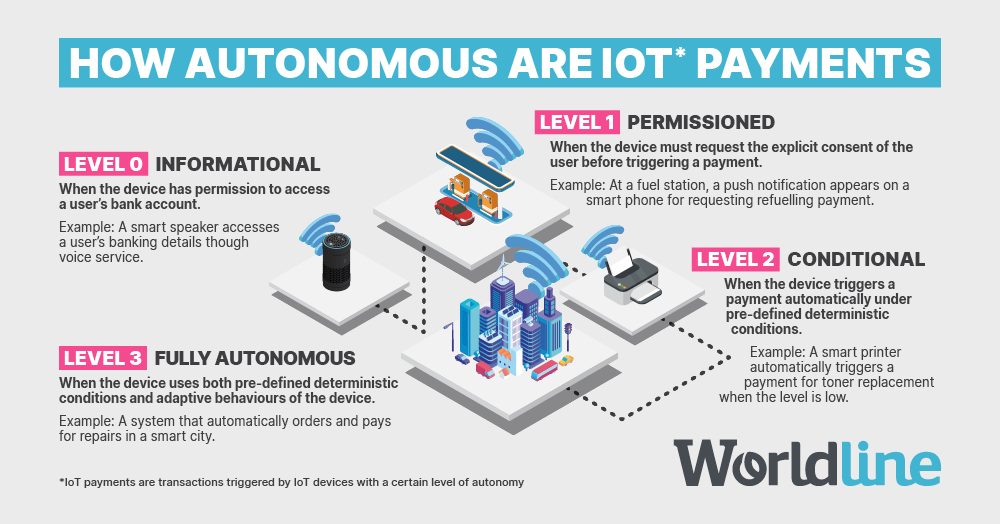
New security models focus on policy based authorization rather than transaction by transaction approval. Users may define spending limits, approved merchants, and usage timeframes, enabling AI agents to operate within clearly defined boundaries.
Tokenization and AI Agent Wallets
Tokenization is expected to play a central role in supporting AI shopping automation. Instead of using actual card numbers, AI agents rely on secure digital tokens linked to user accounts.
These tokens can be restricted by value, category, or duration, reducing fraud risk while maintaining convenience. AI agent wallets may soon become a standard layer in the digital payments ecosystem.
Retailers Adjusting to Machine Buyers
Retailers are also adapting to a future shaped by AI shopping automation. Product catalogs, pricing data, and availability information must be structured in machine readable formats so AI agents can compare options efficiently.
In this environment, transparency and data quality become competitive advantages. Retailers optimized for AI discoverability may gain preferential selection by automated agents acting on behalf of consumers.
Changing Consumer Behavior
As AI shopping automation expands, consumer behavior is expected to shift significantly. Shoppers may spend less time browsing and more time setting preferences and constraints for their AI assistants.
This could reduce impulse purchases while increasing efficiency and consistency. However, it also raises questions about brand loyalty, as AI agents prioritize objective criteria such as price, delivery speed, and reliability.
Regulatory and Legal Questions
Regulators are beginning to examine how AI shopping automation fits within existing consumer protection laws. Key questions include responsibility for errors, dispute resolution, and liability when AI agents make purchasing decisions.
Payment providers may need to introduce clearer user controls and audit trails to ensure transparency. Legal clarity will be essential to building trust and enabling large scale adoption.

Why Timing Matters for the Payments Industry
The rise of AI shopping automation coincides with advances in digital identity, real time payments, and embedded finance. Payment companies view this moment as an opportunity to redefine their role in the financial ecosystem.
Rather than simply processing payments, they aim to become trust platforms that verify intent, manage permissions, and secure automated transactions across industries.
Comparison With Digital Wallets
Digital wallets simplified payments by securely storing credentials. AI shopping automation goes further by enabling independent decision making within predefined rules.
While wallets still require manual initiation, AI agents operate continuously. This shift forces payment companies to redesign consent models and user interfaces for managing automated spending.
Ethical Considerations in Automated Shopping
Beyond technology, AI shopping automation raises ethical questions. How should AI agents balance cost savings with sustainability or ethical sourcing? Who determines which values matter most?
As AI agents gain influence over purchasing decisions, transparency in how they evaluate options will be critical to maintaining consumer trust.
Early Industry Experiments
Technology firms and payment providers are already testing AI shopping automation in controlled environments. Early use cases include subscription management, routine reordering, and travel bookings.
These pilots allow payment networks to refine infrastructure, security protocols, and user controls before broader deployment.
What This Means for Consumers
For consumers, AI shopping automation promises convenience and efficiency. Routine purchases could become invisible, freeing users to focus on higher value decisions.
However, widespread adoption depends on trust. Users must feel confident that AI agents act in their best interests and that spending controls are simple and transparent.
for an AI Driven Payments Future
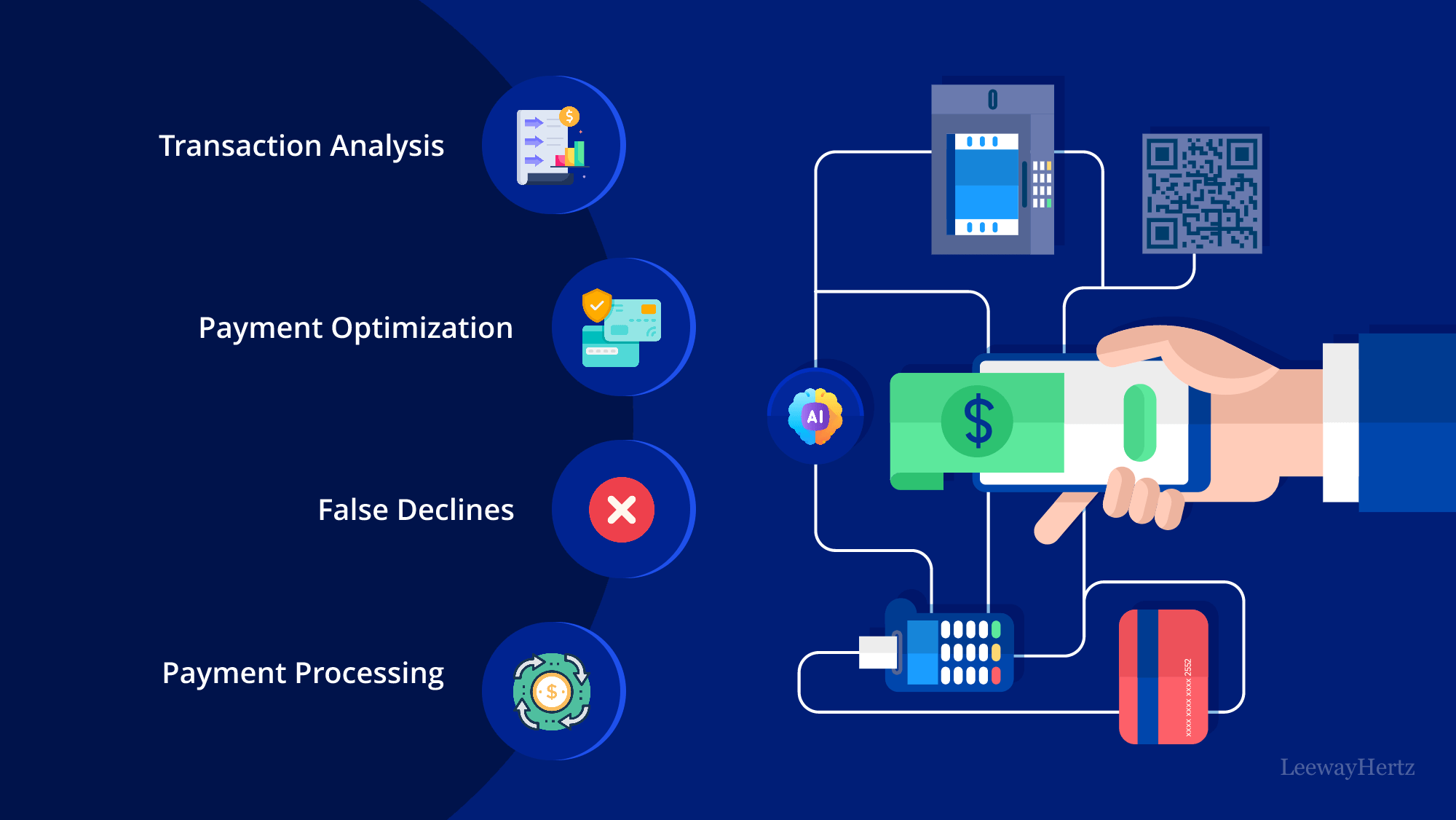
Payment companies are investing heavily in AI, data analytics, and cybersecurity to prepare for this transition. Consumer education will also be important, helping users understand how to set effective rules and limits.
The success of AI shopping automation depends on seamless integration between AI systems, merchants, and payment networks.
Long Term Outlook
Over time, AI shopping automation could become as commonplace as mobile payments. As systems mature, AI agents may handle increasingly complex purchasing decisions across multiple sectors.
For payment giants, adaptation is essential. Those that innovate will shape the future of commerce, while others risk becoming background infrastructure.
The emergence of AI shopping automation marks a turning point for digital payments and global commerce. As AI agents begin booking flights and shopping independently, traditional payment models are being redefined.
Payment giants are responding by reimagining security, authorization, and trust for an automated world. The coming years will determine how successfully the industry adapts to a future where machines increasingly act as economic decision makers.