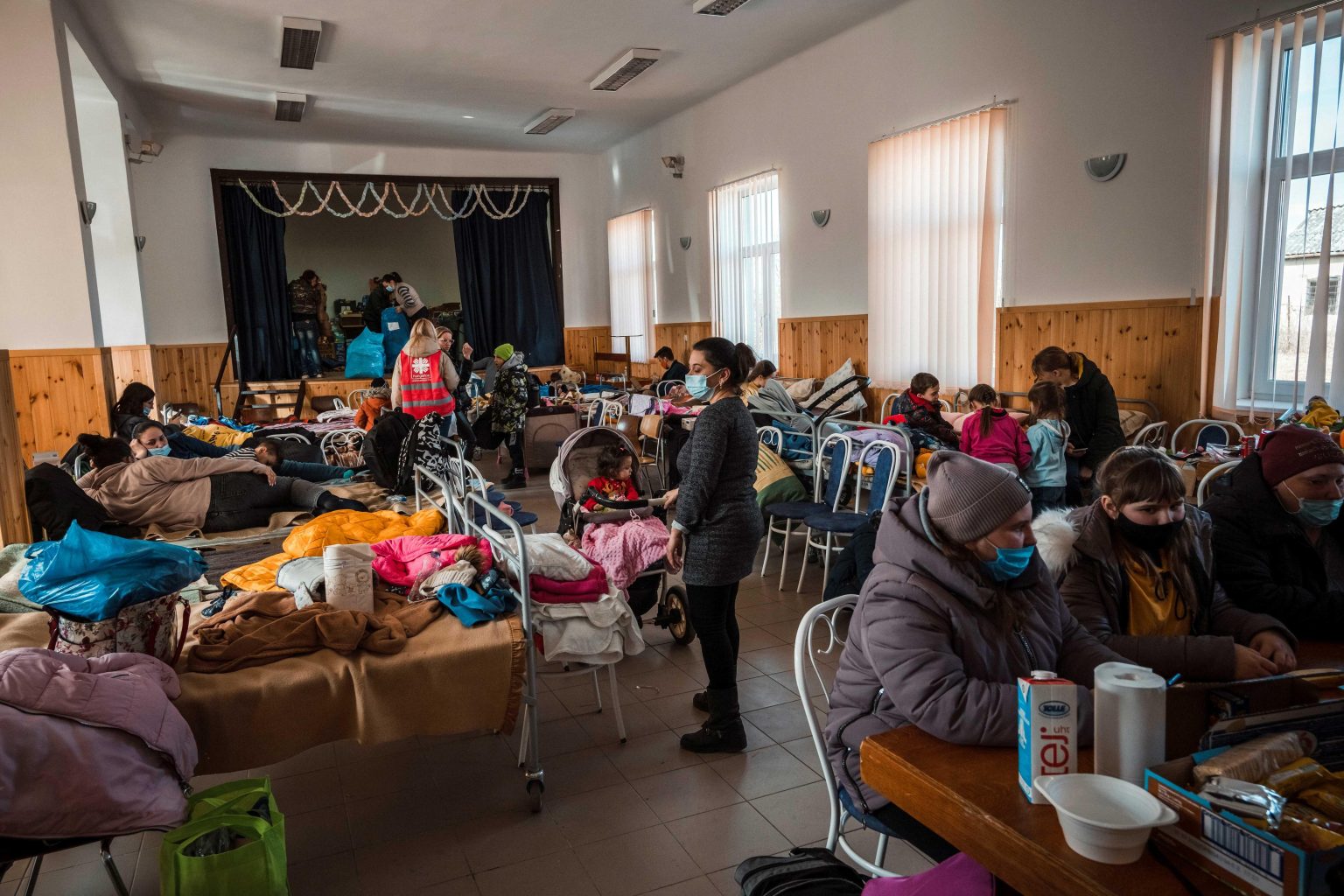
Kyiv, Ukraine, June 21 – Brussels Morning Newspaper — Ukraine refugee update remains one of the most urgent humanitarian stories in Europe as millions of people continue to live away from their homes despite changes on the battlefield. Humanitarian organizations say that while military positions have shifted in some regions, the humanitarian emergency has not eased. Families remain displaced, infrastructure is heavily damaged, and many communities continue relying on international aid for basic necessities.
The latest assessments from humanitarian agencies show that millions of Ukrainians are still unable to return safely to their communities. Homes, schools, hospitals and public utilities have suffered extensive damage during the prolonged conflict, leaving many civilians dependent on emergency assistance. Relief groups continue delivering food, healthcare, shelter and financial support across affected regions.
“Humanitarian needs remain immense despite shifts on the battlefield,”
the International Rescue Committee (IRC) said in its latest humanitarian assessment.
Aid organizations report that internally displaced families face increasing financial pressure as the conflict continues. Many have exhausted their savings and struggle to find stable employment while living in temporary housing. Children remain among the most vulnerable, with interrupted education and ongoing psychological challenges affecting their long-term well-being.
Healthcare services also remain under significant strain. Hospitals in conflict-affected areas continue treating trauma patients while managing shortages of equipment, medicines and medical personnel. Mobile health teams and international medical organizations have expanded services, but access remains difficult in some frontline communities.
The humanitarian response now extends beyond emergency relief. International agencies are helping families repair homes, restore livelihoods and improve access to education and healthcare. However, aid officials stress that rebuilding communities will require sustained international support long after active fighting decreases.
Economic recovery also remains uneven. Businesses in safer regions have resumed operations, but many conflict-affected communities continue facing damaged infrastructure, disrupted transportation and limited employment opportunities. These conditions make it difficult for displaced residents to return and rebuild their lives.
As diplomatic efforts continue, humanitarian organizations emphasize that civilian protection must remain a global priority. Relief agencies warn that declining international attention could leave millions of vulnerable Ukrainians without essential support. The refugee crisis remains one of Europe’s largest humanitarian challenges, requiring continued cooperation between governments, aid organizations and international donors to support long-term recovery and stability.