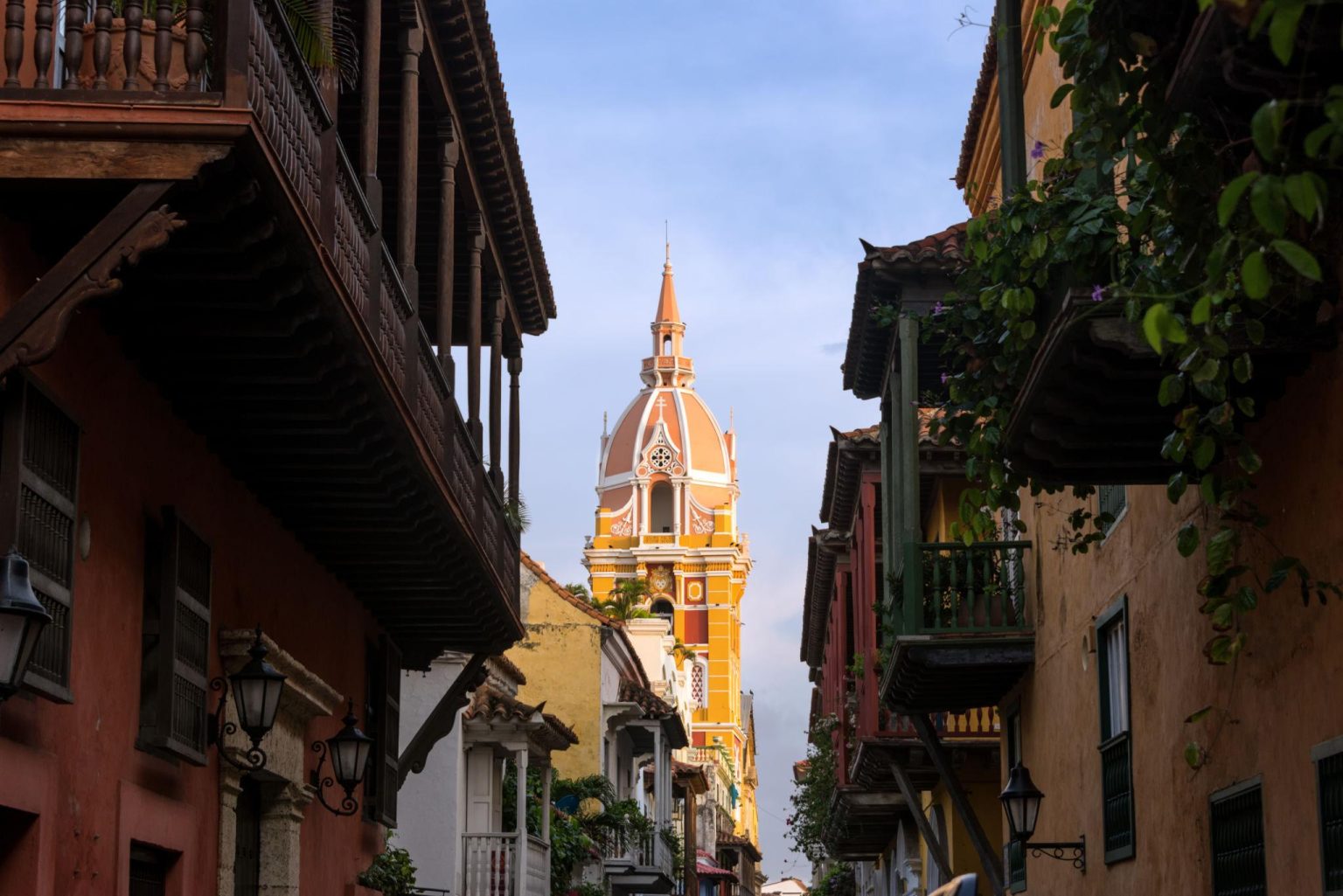
Cartagena, Colombia, June 19 – Brussels Morning Newspaper — Colombia election politics are drawing sharp contrasts across the country’s Caribbean coast, where neighboring municipalities are openly backing different presidential candidates ahead of the national vote. The Colombia election has become one of the most closely watched political contests in Latin America, with local communities reflecting broader national debates over security, economic growth, employment, public investment, and social policy. Despite their close geographic proximity, these neighboring towns have developed distinct political identities that are influencing campaign strategies and voter turnout.
Political observers say the Colombia election has revealed how local priorities often outweigh regional similarities. While one town may prioritize economic reforms and business development, another may focus on expanding social programs, demonstrating how community experiences continue to shape voting behavior across Colombia’s Caribbean region.
Neighboring Communities Reflect Different Political Priorities
The Caribbean coast has long played an influential role in Colombian politics, but this year’s campaign has highlighted particularly noticeable differences between neighboring municipalities. Candidates have increased campaign visits throughout the region, recognizing that every vote could influence the final national outcome.
Residents cite employment opportunities, inflation, healthcare access, education, infrastructure, and public safety as major concerns. These issues have become central themes throughout the Colombia election, with campaigns tailoring their messages to local priorities instead of relying on broad national appeals.
A local political analyst noted:
“Neighboring communities may share geography, but their economic realities often lead them toward different political choices.”
Campaign organizers believe these contrasting viewpoints demonstrate the diversity of Colombia’s democratic process rather than political instability.
Local Economies Influence Voting Decisions
Economic conditions remain among the strongest influences shaping voter preferences. Fishing communities, tourism centers, agricultural producers, and commercial hubs each face different challenges that affect how residents evaluate presidential candidates.
Businesses along Colombia’s Caribbean coast continue monitoring inflation, investment, tourism growth, and infrastructure projects. These concerns have become major talking points throughout the Colombia election, particularly in municipalities seeking stronger economic opportunities after several years of uneven growth.
Some communities favor candidates promising market-oriented reforms, while others support expanded public investment aimed at reducing inequality and improving essential services.
“People ultimately vote for the candidate they believe understands their local reality,”
one regional observer explained.
Campaign Strategies Focus on Regional Issues
Political campaigns have increasingly shifted resources toward smaller municipalities instead of concentrating solely on major cities. Campaign rallies, town hall meetings, and community visits have become frequent throughout Colombia’s Caribbean departments.
The Colombia election has demonstrated how regional campaigning can influence national politics. Candidates continue emphasizing infrastructure, transportation improvements, healthcare expansion, education funding, agricultural support, and crime reduction as they compete for undecided voters.
Digital campaigning has also become increasingly important, allowing candidates to communicate directly with younger voters through social media while maintaining traditional grassroots outreach.
History of Caribbean Political Influence
Colombia’s Caribbean coast has historically produced influential political leaders and consistently delivered significant voter participation during presidential elections. The region’s strategic economic importance through tourism, agriculture, ports, and international trade has ensured that presidential candidates dedicate considerable attention to local concerns.
Over previous election cycles, political loyalties have evolved alongside changing economic conditions and demographic shifts. Today’s Colombia election reflects that ongoing transformation, with neighboring towns often reaching different conclusions despite sharing cultural traditions and regional history.
Political historians note that the Caribbean region frequently serves as an indicator of broader national political trends because it combines urban, rural, commercial, and agricultural communities within a relatively compact geographic area.
Security and Development Remain Key Campaign Themes
Public security continues to rank among voters’ highest priorities throughout Colombia. Communities are also closely watching proposals involving organized crime prevention, rural development, judicial reform, and economic investment.
The Colombia election has placed renewed emphasis on balancing security policies with long-term economic development. Candidates have presented differing visions for strengthening institutions while encouraging investment across Colombia’s coastal regions.
Infrastructure improvements, road modernization, port expansion, and tourism promotion remain additional issues receiving significant attention from both campaigns and voters.