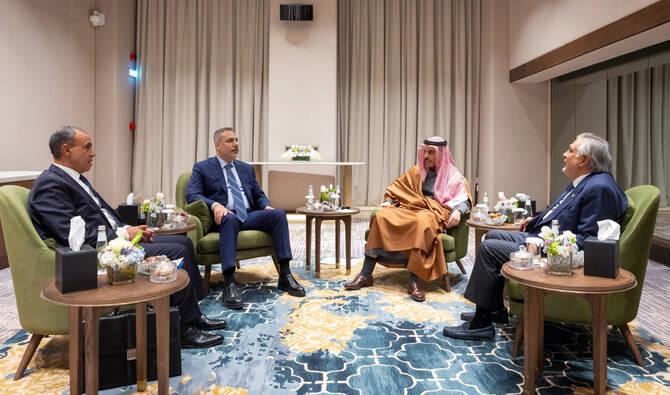
Jerusalem, Israel, June 13 – Brussels Morning Newspaper — Regional security risks are drawing renewed international attention as governments across the Middle East closely monitor ongoing diplomatic developments involving major global and regional powers. Policymakers, security analysts, and investors continue evaluating how changing geopolitical conditions could influence stability, cooperation, and future diplomatic efforts throughout the region.
Recent reports surrounding international negotiations have increased discussions about regional security risks, particularly as governments assess potential implications for military preparedness, strategic alliances, and broader security arrangements. While diplomatic engagement is often viewed as a positive step toward reducing tensions, officials continue examining how future agreements could affect long-term regional dynamics.
The Middle East remains one of the world’s most strategically important regions, making regional security risks a constant consideration for governments and international organizations. Security concerns involving military activity, energy infrastructure, trade routes, and geopolitical competition continue shaping foreign policy decisions across multiple countries.
Analysts note that regional security risks often influence diplomatic strategies as governments seek to balance national interests with broader stability objectives. In recent years, regional leaders have increasingly emphasized communication and dialogue while simultaneously maintaining strong defense and security capabilities.
Economic considerations are also closely tied to regional security risks. Energy markets, international trade, foreign investment, and transportation networks can all be affected by geopolitical uncertainty. As a result, investors frequently monitor diplomatic developments for signals regarding future stability and potential economic impacts.
Governments throughout the region continue strengthening cooperation with international partners as part of broader efforts to address regional security risks. Security coordination, intelligence sharing, and diplomatic consultations remain important tools for managing uncertainty and responding to emerging challenges.
One foreign policy analyst recently summarized the situation by stating:
“Regional stability depends not only on diplomacy but also on the confidence that all parties have in long-term security arrangements.”
The observation highlights why regional security risks remain central to ongoing policy discussions. Even during periods of diplomatic engagement, governments continue evaluating potential outcomes and preparing for a variety of scenarios that could affect regional stability.
International organizations are also paying close attention to regional security risks as they support efforts aimed at conflict prevention and diplomatic engagement. Many policymakers believe that maintaining open communication channels can reduce misunderstandings and improve opportunities for peaceful solutions to complex challenges.
Energy infrastructure remains another major consideration. Security experts frequently cite the protection of critical facilities, transportation corridors, and supply networks when discussing regional security risks. These assets play essential roles in supporting economic activity and maintaining global energy flows.
Looking ahead, analysts expect regional security risks to remain an important factor influencing diplomatic negotiations and strategic planning. Ongoing discussions between major regional actors are likely to shape future security policies, investment decisions, and international cooperation efforts.
As governments continue evaluating geopolitical developments, regional security risks will remain a central topic within foreign policy circles. The combination of diplomacy, security planning, and economic considerations ensures that regional security risks will continue influencing decision-making throughout the Middle East and beyond.
The continued focus on regional security risks reflects the importance of maintaining stability during periods of geopolitical change. While diplomatic efforts may help reduce tensions, governments and international stakeholders remain committed to monitoring developments closely as they work to support long-term regional security and cooperation.