New York, United States, June 13 – Brussels Morning Newspaper — Precious metals market activity is attracting renewed attention from investors as gold, silver, platinum, and palladium continue responding to changing economic conditions and global uncertainty. Rising demand for defensive assets has placed the precious metals market back in focus as investors evaluate opportunities to protect wealth during periods of financial volatility.
Recent market movements have highlighted the importance of the precious metals market within diversified investment portfolios. Gold prices have remained a key indicator of investor sentiment, with many buyers turning to precious metals when concerns about inflation, geopolitical tensions, or economic growth intensify.
Financial analysts note that the precious metals market often experiences increased activity during uncertain economic periods. Investors seeking stability frequently allocate capital to physical metals, exchange-traded funds, mining companies, and other assets linked to precious metal prices. This trend has contributed to stronger interest across multiple segments of the industry.
Silver has also benefited from growing demand, supported by both investment purchases and industrial applications. The precious metals market continues to receive support from sectors such as renewable energy, electronics manufacturing, and advanced technology production, which rely on various precious metals for critical components and manufacturing processes.
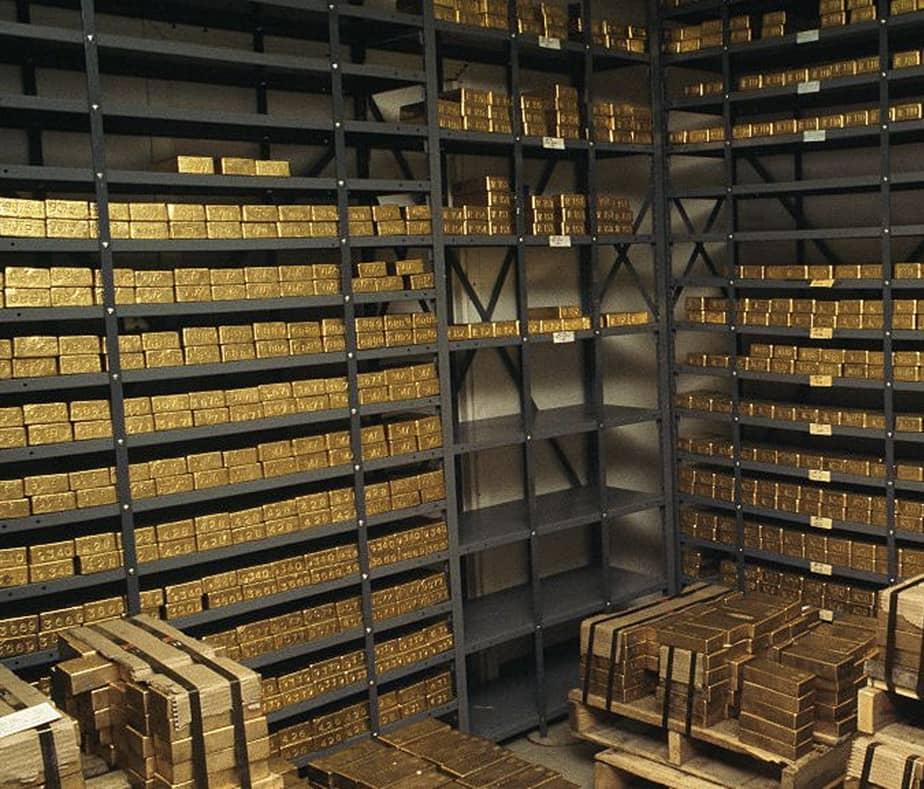
Central banks remain an important factor influencing the precious metals market. Many monetary authorities continue to maintain substantial gold reserves as part of broader reserve management strategies. Their purchasing activity can influence supply-and-demand dynamics and contribute to long-term market trends.
At the same time, investors are closely monitoring interest rates and inflation data. Economic indicators frequently impact the precious metals market, particularly when expectations regarding monetary policy begin to shift. Lower interest rate expectations often strengthen demand for gold and other non-yielding assets.
One market strategist recently summarized current conditions by stating:
“Investors continue viewing precious metals as an important hedge against uncertainty and long-term economic risks.”
The statement reflects the growing role of the precious metals market during periods when investors seek protection from market volatility. While stock markets and other asset classes remain attractive to many investors, precious metals continue serving as a traditional store of value.
Supply conditions are also influencing the precious metals market. Mining production, refining capacity, transportation logistics, and geopolitical developments can affect availability and pricing. Industry participants continue monitoring these factors as global demand remains relatively strong.
Looking ahead, analysts expect the precious metals market to remain sensitive to economic developments, inflation trends, central bank decisions, and geopolitical events. These factors are likely to shape investor behavior and influence future price movements across the sector.
As financial markets continue adapting to changing conditions, the precious metals market remains a closely watched area for investors seeking diversification and risk management. Whether demand is driven by economic uncertainty, industrial growth, or portfolio strategy, the precious metals market is expected to remain a significant component of global financial markets throughout 2026.