NEW DELHI, India, June 12 – Brussels Morning Newspaper — Road safety innovation is taking a significant step forward after Indian authorities approved measures that could accelerate the adoption of advanced vehicle safety systems and future self-driving technologies. The move is aimed at reducing road fatalities and improving transportation safety in a country that continues to face one of the world’s largest traffic safety challenges.
Government officials say the latest policy changes will support the deployment of advanced driver-assistance systems and emerging automotive technologies designed to help prevent accidents before they occur. Industry experts believe the decision could encourage automakers and technology companies to increase investments in intelligent mobility solutions tailored for Indian roads.
The initiative comes as transportation authorities seek new approaches to reducing traffic deaths, which remain a major public safety concern. While infrastructure improvements and enforcement efforts continue, policymakers increasingly view technology as a critical tool for improving driver awareness and reducing human error.
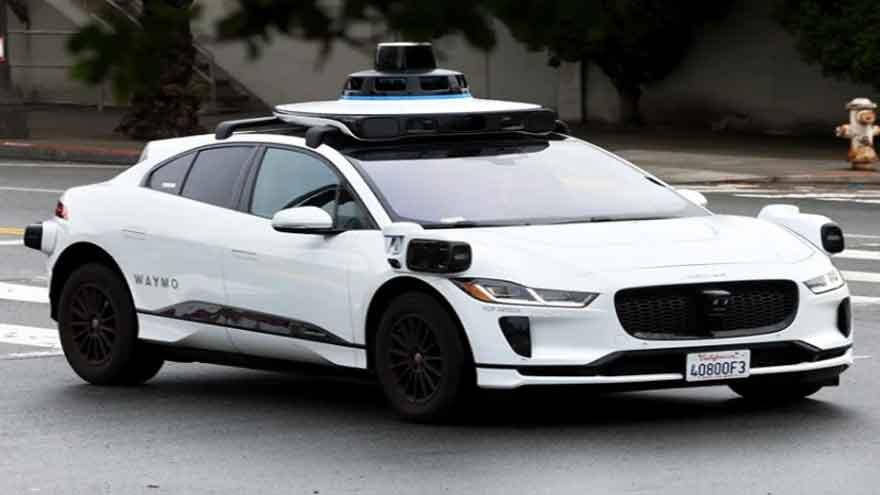
Many of today’s advanced safety systems already use cameras, radar, sensors, and artificial intelligence to monitor road conditions. Features such as automatic emergency braking, lane-keeping assistance, collision warnings, and adaptive cruise control are becoming more common in modern vehicles. These technologies are designed to assist drivers and help avoid situations that might otherwise lead to serious crashes.
The regulatory shift is also viewed as an important step toward the future development of autonomous vehicles. Although fully self-driving cars are not expected to become widespread in the near term, experts say creating a supportive framework now can help accelerate innovation and testing over the coming years.
Automotive manufacturers have welcomed the move, noting that clear regulations often play a key role in encouraging research, investment, and product development. India is already one of the world’s largest automobile markets, and analysts believe advanced transportation technologies could become an increasingly important segment of the industry.
A transportation technology specialist said,
“The integration of intelligent safety systems has the potential to significantly improve driver awareness and reduce accidents caused by human error.”
Experts caution that challenges remain before higher levels of vehicle automation become common. India’s diverse road conditions, heavy traffic volumes, and complex urban environments require technologies capable of operating safely in a wide range of situations. Regulators will also need to address issues involving cybersecurity, liability, and public confidence as technology evolves.
Beyond safety improvements, industry observers see potential economic benefits. Increased investment in artificial intelligence, software development, telecommunications, and automotive technology could support innovation and create new business opportunities across multiple sectors.
The latest decision reflects a broader global trend as governments explore how intelligent transportation systems can improve mobility and reduce fatalities. Countries around the world are evaluating ways to integrate automation and advanced safety features into their transportation networks while maintaining strong safety standards.