MOSCOW, Russia, June 10 – Brussels Morning Newspaper — Russia strategic presence in the Middle East is receiving renewed attention after Russian officials confirmed discussions regarding the possible reformatting of military facilities in Syria. The announcement has prompted analysis from defense experts and policymakers seeking to understand what the changes could mean for Moscow’s long-term role in the region.
Russian authorities stressed that discussions remain ongoing and have not indicated any immediate withdrawal from Syria. Instead, officials described the process as a review designed to ensure military infrastructure continues meeting operational and strategic requirements as regional conditions evolve.
The development comes at a time when governments across the Middle East are reassessing security priorities amid shifting geopolitical dynamics and changing diplomatic relationships.
Syria Remains Important to Russian Regional Strategy
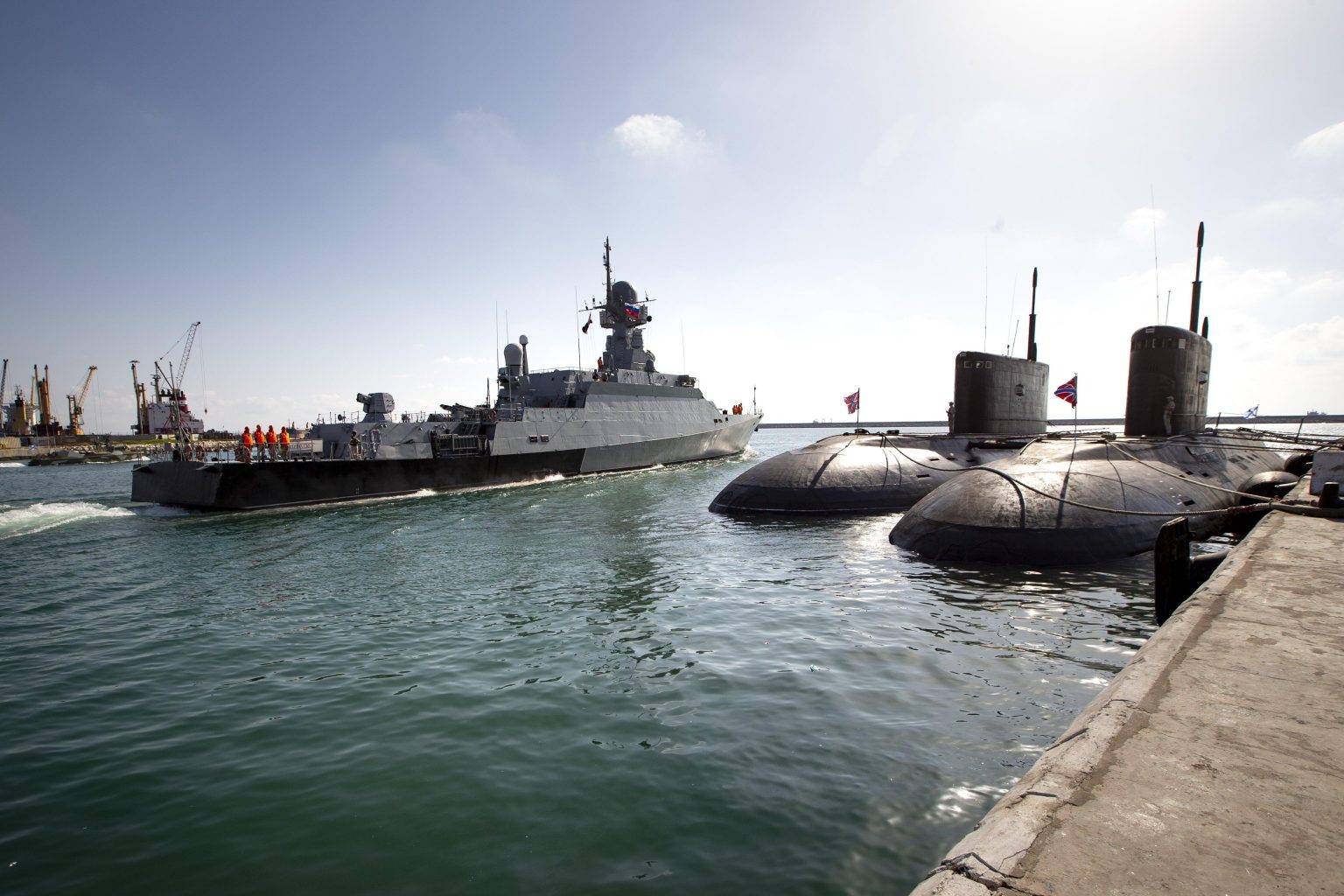
The role of Russia strategic presence in Syria has been a central component of Moscow’s foreign and defense policy for years. Russian military facilities have supported operations, logistics, intelligence activities, and diplomatic influence throughout the region.
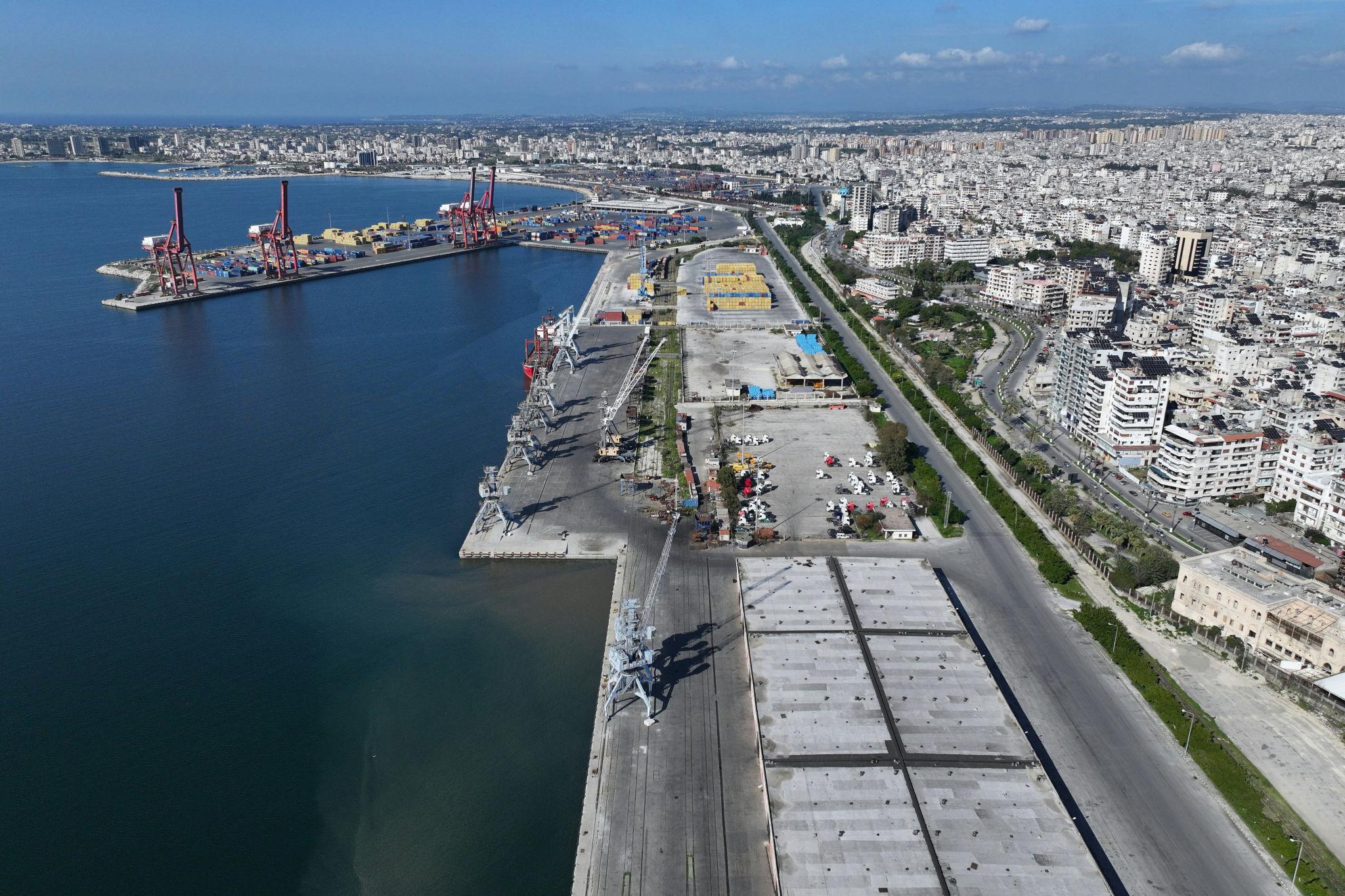
Analysts note that Syria provides Russia with a valuable foothold in the eastern Mediterranean, allowing the country to maintain visibility and operational flexibility in one of the world’s most strategically important areas.
The facilities have also enabled Russia to strengthen relationships with regional partners while supporting broader security objectives. Because of this, any discussion involving military infrastructure in Syria is closely monitored by governments around the world.
A Russian official familiar with the review process stated:
“The goal is to ensure military facilities remain aligned with current operational and strategic needs.”
The statement suggests that efficiency and long-term planning are key factors driving the discussions.
Regional Changes Influence Military Planning
Experts say Russia strategic presence is being evaluated against a backdrop of significant political and security developments across the Middle East.
Several countries have increased diplomatic engagement and economic cooperation efforts while addressing ongoing security concerns. Regional governments continue adapting to evolving geopolitical realities, prompting military planners to reassess priorities and infrastructure requirements.
Defense analysts note that reviews of overseas military facilities are common as governments seek to maintain readiness and respond effectively to changing conditions.
In Russia’s case, Syria continues to hold strategic value due to its geographic position and role in regional affairs. As a result, any adjustments are likely to focus on maintaining effectiveness rather than reducing influence.
International Observers Closely Watch Developments
The future of Russia strategic presence in Syria remains a topic of interest for governments, security experts, and international organizations.
Observers are examining whether the discussions represent administrative adjustments, operational restructuring, or broader strategic changes. So far, Russian officials have emphasized that the process is part of routine planning and adaptation.
A regional security analyst noted:
“Military infrastructure reviews are often designed to improve operational efficiency rather than signal a major shift in policy.”
This perspective is shared by many experts who believe Russia remains committed to maintaining an active role in Middle Eastern affairs.
International stakeholders continue monitoring developments because any changes could influence regional security dynamics and diplomatic relationships.
Strategic Outlook Remains Under Review
While details remain limited, analysts agree that Russia strategic presence will continue playing an important role in Moscow’s foreign policy calculations.
Future decisions are expected to balance military requirements, regional stability concerns, and broader geopolitical objectives. Experts suggest that any eventual changes will likely be implemented gradually and with careful consideration of their impact on regional operations.
The ongoing discussions demonstrate how governments regularly adapt military strategies to address emerging challenges and evolving priorities. For now, Russia’s military footprint in Syria remains intact as officials continue evaluating options for the future.